






What is the story about?
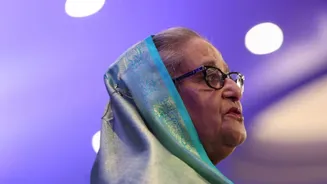
Bangladesh's former prime minister Sheikh Hasina has said she is determined to return to her country by December despite facing the possibility of arrest, imprisonment or even death if she goes back.
In an interview with news agency AFP, Hasina, 78, said she was fully aware of the risks but insisted that she wanted to return because "my people are calling me". The comments come as Bangladesh continues legal proceedings against the ousted leader over allegations linked to her years in power.
"I may be killed. I may be arrested. I may be sent to prison," Hasina said. "I am fully aware of my fate. Still, I want to go back because my people are calling me."
Hasina was forced to flee to India by helicopter in August 2024 after a student-led uprising ended her 15-year rule. The United Nations has said up to 1,400 people were killed in the crackdown on protesters as her government tried to stay in power.
Hasina's remarks come as Bangladesh steps up investigations into alleged human rights violations during her tenure.
Just a day earlier, Bangladesh detained an active army brigadier general over the alleged extrajudicial killing of a local politician during the country's 2018 anti-drugs campaign.
The arrest followed the International Crimes Tribunal's acceptance of a complaint against 11 people, including Hasina, a former police chief and several serving and retired military officers, over the killing of Cox's Bazar councillor Akramul Haque.
The case is being seen as part of a wider effort to investigate alleged abuses committed under Hasina's government.
In November, a Dhaka court found Hasina guilty of crimes against humanity and sentenced her to death by hanging. She rejected the verdict, calling it "political vengeance dressed up as law".
Bangladesh has formally requested Hasina's extradition from India, where she has been living at a secret location since fleeing the country. New Delhi has said the request is "under examination".
Hasina, however, said her decision to return had nothing to do with the extradition process.
"I can say that I am staying in India with due respect and dignity," she told the news agency. "Indian authorities have not discussed extradition with me. I myself have decided to return to my country."
Rights groups have repeatedly accused Hasina's former administration of widespread abuses, including enforced disappearances, killings of political opponents, suppression of dissent and manipulating the judicial system.
Hasina denied the accusations, saying many of the claims were politically motivated. She said her government investigated allegations whenever they were raised and punished those found guilty of crimes.
She also defended her handling of the student protests that eventually led to her removal from office.
"My government showed the highest level of patience and tried to guide the student movement towards a peaceful solution," she said.
Hasina argued that the movement had gone beyond a student protest and had become "a planned operation driven by hidden instructions, organised violence, propaganda and the objective of overthrowing the government".
Despite widespread criticism over the deadly crackdown, Hasina stopped short of apologising to the families of those killed.
She said she had "sympathy for every family that lost a loved one" but did not express regret over the government's actions. Asked whether she regretted any decisions taken during the crisis, she said state decisions could not be judged by looking at isolated moments.
Human Rights Watch on Tuesday also questioned the fairness of the ongoing prosecutions in Bangladesh. Deputy Asia Director Meenakshi Ganguly said those responsible for abuses under Hasina's government should be held accountable, but warned that many of the cases were not meeting international fair trial standards.
Hasina also avoided directly answering whether she planned to resume active politics after returning to Bangladesh, where her Awami League party has effectively been banned.
"Power is not my destination," she told AFP. "Service to the people is."
In an interview with news agency AFP, Hasina, 78, said she was fully aware of the risks but insisted that she wanted to return because "my people are calling me". The comments come as Bangladesh continues legal proceedings against the ousted leader over allegations linked to her years in power.
"I may be killed. I may be arrested. I may be sent to prison," Hasina said. "I am fully aware of my fate. Still, I want to go back because my people are calling me."
Hasina was forced to flee to India by helicopter in August 2024 after a student-led uprising ended her 15-year rule. The United Nations has said up to 1,400 people were killed in the crackdown on protesters as her government tried to stay in power.
Legal cases mount against Hasina
Hasina's remarks come as Bangladesh steps up investigations into alleged human rights violations during her tenure.
Just a day earlier, Bangladesh detained an active army brigadier general over the alleged extrajudicial killing of a local politician during the country's 2018 anti-drugs campaign.
The arrest followed the International Crimes Tribunal's acceptance of a complaint against 11 people, including Hasina, a former police chief and several serving and retired military officers, over the killing of Cox's Bazar councillor Akramul Haque.
The case is being seen as part of a wider effort to investigate alleged abuses committed under Hasina's government.
In November, a Dhaka court found Hasina guilty of crimes against humanity and sentenced her to death by hanging. She rejected the verdict, calling it "political vengeance dressed up as law".
Bangladesh has formally requested Hasina's extradition from India, where she has been living at a secret location since fleeing the country. New Delhi has said the request is "under examination".
Hasina, however, said her decision to return had nothing to do with the extradition process.
"I can say that I am staying in India with due respect and dignity," she told the news agency. "Indian authorities have not discussed extradition with me. I myself have decided to return to my country."
Defends record, rejects allegations
Rights groups have repeatedly accused Hasina's former administration of widespread abuses, including enforced disappearances, killings of political opponents, suppression of dissent and manipulating the judicial system.
Hasina denied the accusations, saying many of the claims were politically motivated. She said her government investigated allegations whenever they were raised and punished those found guilty of crimes.
She also defended her handling of the student protests that eventually led to her removal from office.
"My government showed the highest level of patience and tried to guide the student movement towards a peaceful solution," she said.
Hasina argued that the movement had gone beyond a student protest and had become "a planned operation driven by hidden instructions, organised violence, propaganda and the objective of overthrowing the government".
No apology, but expresses sympathy
Despite widespread criticism over the deadly crackdown, Hasina stopped short of apologising to the families of those killed.
She said she had "sympathy for every family that lost a loved one" but did not express regret over the government's actions. Asked whether she regretted any decisions taken during the crisis, she said state decisions could not be judged by looking at isolated moments.
Human Rights Watch on Tuesday also questioned the fairness of the ongoing prosecutions in Bangladesh. Deputy Asia Director Meenakshi Ganguly said those responsible for abuses under Hasina's government should be held accountable, but warned that many of the cases were not meeting international fair trial standards.
Hasina also avoided directly answering whether she planned to resume active politics after returning to Bangladesh, where her Awami League party has effectively been banned.
"Power is not my destination," she told AFP. "Service to the people is."