



What is the story about?
As the United States and Iran continue a week-long negotiation to end the ongoing conflict that has rocked West Asia, details of the draft proposal discussed by the two sides have come to light. Officials involved in the negotiations told
The New York Times that a new draft memorandum is under discussion that is closer to gaining approval from both sides.
However, they had differing accounts of exactly what the peace proposal, which has yet to be agreed upon by both sides, entailed. The deal, if agreed, would be an initial framework and would pave the way for a substantive agreement between the United States and Iran, which has been fighting since February 28.
Diplomats involved in the discussion told the American news outlet that the longer the two sides went on to haggle, the more frustrated they would get and the clashes in
West Asia would escalate. Here are some of the aspects of the proposal that are in discussion between the Iranian and American officials.
One of the most surprising aspects of the proposal was also recently added in the agreement, according to The New York Times. The agreement included plans to establish a "reconstruction and investment fund" for Iran. As per the report, while one Iranian diplomat has put it at $300 billion, others involved in the mediation process could not confirm the amount.
While speaking to the NYT, the Iranian officials described the fund as a "reconstruction program" that would be promised to Iran in the event a final agreement was signed. Earlier in the negotiations, Tehran had demanded reparations for bombardment damage that some Iranian officials estimate at $300 billion to $1 trillion.
Two diplomats who were briefed on the draft described it as an "international investment fund" which the United States would help to facilitate if both sides reached a final deal. Plans for such a fund would be further discussed during the negotiations period, the diplomats told the NYT.
In the past, Trump's special envoy to the Middle East Steve Witkoff and Jared Kushner, the president’s son-in-law, floated the idea of promoting real estate projects in Tehran. Meanwhile, the Iranian officials said that they had proposed to American negotiators that American companies, including major oil and energy corporations, could enter Iran for investments and joint venture deals.
The agreement in question would most likely entail a ceasefire tenure between Washington and Tehran. Iranian officials told the NYT that the deal would include a halt in fighting in Lebanon . This is coming at a time when Israel has stepped up its military offensive against the Iran-backed Lebanese militia group Hezbollah.
The two diplomats revealed that the preliminary deal outlined an end to hostilities for an initial 60-day period, allowing for negotiations between the two sides, with the possibility for that to be extended. Two Iranian officials said the terms in the memorandum of understanding pertain only to the period of negotiations for a broader, more permanent deal, according to
The New York Times.
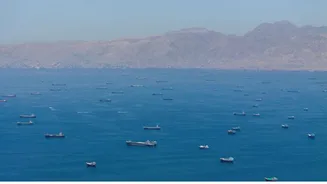
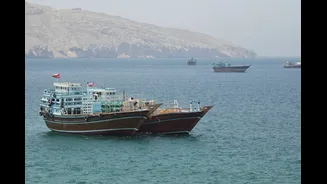
As per the report, the agreement is also expected to allow free navigation through the Strait of Hormuz for an agreed-upon period. The vital waterway for commercial shipping through which about a fifth of the world’s oil and gas passes has been paralysed due to the war.
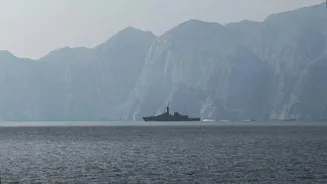
The closure rattled the global economy, prompting the US to impose a blockade on Iranian ports in retaliation. Under the proposal, the Strait of Hormuz would remain open but reduced in stages depending on how much prewar ship traffic is restored by Iran.
The diplomats told the NYT that Iran had agreed to allow maritime traffic to return to prewar levels for 30 days, while the two sides negotiated a final deal. However, Tehran and Washington are still debating what would happen after that. The Iranian official also noted that the deal would see the US naval blockade lifted “within 30 days” and the Strait of Hormuz opened for the duration of the talks. The United States has placed no time frame on it, an American official said.
This is coming at a time when US President
Donald Trump repeated his assertion that the international waterway should ultimately remain open to all, without any tolls or fees.
The draft deal also includes a pledge from both the United States and Tehran to commit to negotiating the fate of Iran’s enriched uranium. The talks regarding this are expected to happen during the second phase of negotiations.
As per the report, the discussion would entail how to dispose of Iran’s stockpile of about 970 pounds of uranium that could be quickly enriched to weapons-grade. There are another ten tons of nuclear material enriched to lower levels that negotiators would discuss its fate as well.
Earlier, Trump has said that those stockpiles should be sent to the United States, while Iran wants to blend down part of the enriched uranium on its own soil under international inspectors and ship other parts of the stockpile to a third country.
On Wednesday, while Trump showed some flexibility in sending the uranium to a third country, he said that he was not comfortable with either Russia or China taking it. According to the version of the draft deal described by the Iranian official, Iran will suspend its nuclear program in exchange for a pledge from Washington not to increase sanctions while the two sides negotiate a final deal.
However, they had differing accounts of exactly what the peace proposal, which has yet to be agreed upon by both sides, entailed. The deal, if agreed, would be an initial framework and would pave the way for a substantive agreement between the United States and Iran, which has been fighting since February 28.
Diplomats involved in the discussion told the American news outlet that the longer the two sides went on to haggle, the more frustrated they would get and the clashes in
$300 billion reconstruction fund for Iran
One of the most surprising aspects of the proposal was also recently added in the agreement, according to The New York Times. The agreement included plans to establish a "reconstruction and investment fund" for Iran. As per the report, while one Iranian diplomat has put it at $300 billion, others involved in the mediation process could not confirm the amount.
While speaking to the NYT, the Iranian officials described the fund as a "reconstruction program" that would be promised to Iran in the event a final agreement was signed. Earlier in the negotiations, Tehran had demanded reparations for bombardment damage that some Iranian officials estimate at $300 billion to $1 trillion.
Two diplomats who were briefed on the draft described it as an "international investment fund" which the United States would help to facilitate if both sides reached a final deal. Plans for such a fund would be further discussed during the negotiations period, the diplomats told the NYT.
In the past, Trump's special envoy to the Middle East Steve Witkoff and Jared Kushner, the president’s son-in-law, floated the idea of promoting real estate projects in Tehran. Meanwhile, the Iranian officials said that they had proposed to American negotiators that American companies, including major oil and energy corporations, could enter Iran for investments and joint venture deals.
Ceasefire duration
The agreement in question would most likely entail a ceasefire tenure between Washington and Tehran. Iranian officials told the NYT that the deal would include a halt in fighting in Lebanon . This is coming at a time when Israel has stepped up its military offensive against the Iran-backed Lebanese militia group Hezbollah.
The two diplomats revealed that the preliminary deal outlined an end to hostilities for an initial 60-day period, allowing for negotiations between the two sides, with the possibility for that to be extended. Two Iranian officials said the terms in the memorandum of understanding pertain only to the period of negotiations for a broader, more permanent deal, according to
Strait of Hormuz remains a matter of contention
As per the report, the agreement is also expected to allow free navigation through the Strait of Hormuz for an agreed-upon period. The vital waterway for commercial shipping through which about a fifth of the world’s oil and gas passes has been paralysed due to the war.
The closure rattled the global economy, prompting the US to impose a blockade on Iranian ports in retaliation. Under the proposal, the Strait of Hormuz would remain open but reduced in stages depending on how much prewar ship traffic is restored by Iran.
The diplomats told the NYT that Iran had agreed to allow maritime traffic to return to prewar levels for 30 days, while the two sides negotiated a final deal. However, Tehran and Washington are still debating what would happen after that. The Iranian official also noted that the deal would see the US naval blockade lifted “within 30 days” and the Strait of Hormuz opened for the duration of the talks. The United States has placed no time frame on it, an American official said.
This is coming at a time when US President
Nuclear talks relegated to future discussions
The draft deal also includes a pledge from both the United States and Tehran to commit to negotiating the fate of Iran’s enriched uranium. The talks regarding this are expected to happen during the second phase of negotiations.
As per the report, the discussion would entail how to dispose of Iran’s stockpile of about 970 pounds of uranium that could be quickly enriched to weapons-grade. There are another ten tons of nuclear material enriched to lower levels that negotiators would discuss its fate as well.
Earlier, Trump has said that those stockpiles should be sent to the United States, while Iran wants to blend down part of the enriched uranium on its own soil under international inspectors and ship other parts of the stockpile to a third country.
On Wednesday, while Trump showed some flexibility in sending the uranium to a third country, he said that he was not comfortable with either Russia or China taking it. According to the version of the draft deal described by the Iranian official, Iran will suspend its nuclear program in exchange for a pledge from Washington not to increase sanctions while the two sides negotiate a final deal.