





What is the story about?
In its ideological obsession with jihadism and Islamism, the Khamenei regime ventured into audacious, aggressive, and ruinous security adventures—or rather, misadventures. When the Sunni Arab states showed visible symptoms of disinterest and pessimism towards the Palestinian conflict, the Shia regime of Khamenei, in its ambition to lead the Muslim world, emerged as the staunchest supporter of the Palestinian cause.
Nurturing a string of Sunni and Shia terrorist proxies such as Hezbollah, Hamas, the Houthis, and Iraqi Shia militias, the Iranian regime perceived these ideologically committed terror outfits as permanent assets—shock absorbers constituting a ring of deterrence. However, massive expenditures on them drained Iran’s economy, severely impeding much-needed domestic investments that could have raised the standard of living of the middle class. Particularly after sanctions were imposed on Iranian oil exports in 2011, the economic burden of nurturing foreign proxies at the cost of the local population became unbearable and unsustainable. While the powerful mullahs of the regime were busy exporting ideology to foreign terrorist groups, Iran’s youth and middle class faced tremendous pressures from inflation and stagnant wages, leading to massive resentment, hatred for the regime, and ideological alienation.
Little did Khamenei, his mullahs, and the IRGC commanders realise that these proxies were always contingent assets, perpetually vulnerable to Israel’s countermeasures. In Israel’s prolonged wars with them, these groups were subjected to relentless wars of attrition and forced battlefield adaptation. Finally, following the October 7 Hamas attack, Israel launched a massive counter-offensive, effectively decimating and neutralising them.
Another pertinent aspect of Iran’s policy towards these proxies is the regime’s ideological rigidity in adapting, innovating, and revising its strategy. In the mullah regime’s vision, these proxy terrorist outfits have always carried significant religious value. Therefore, even when the top-level regime hierarchy was apprised of the weakening and declining effectiveness of these proxies, the ideologically hardline leadership refused to change course and continued its quixotic obsession with supporting them.
Even in the conventional war domain, despite all the hype surrounding Iran’s advanced missile and drone capabilities, Tehran could hardly withstand an Israeli onslaught. Within a few days—if not hours—Jerusalem clearly demonstrated its air superiority and established dominance in Iranian skies. American strikes on Iran’s nuclear facilities severely damaged its nuclear capabilities, reversing its progress by several years, if not destroying it altogether.
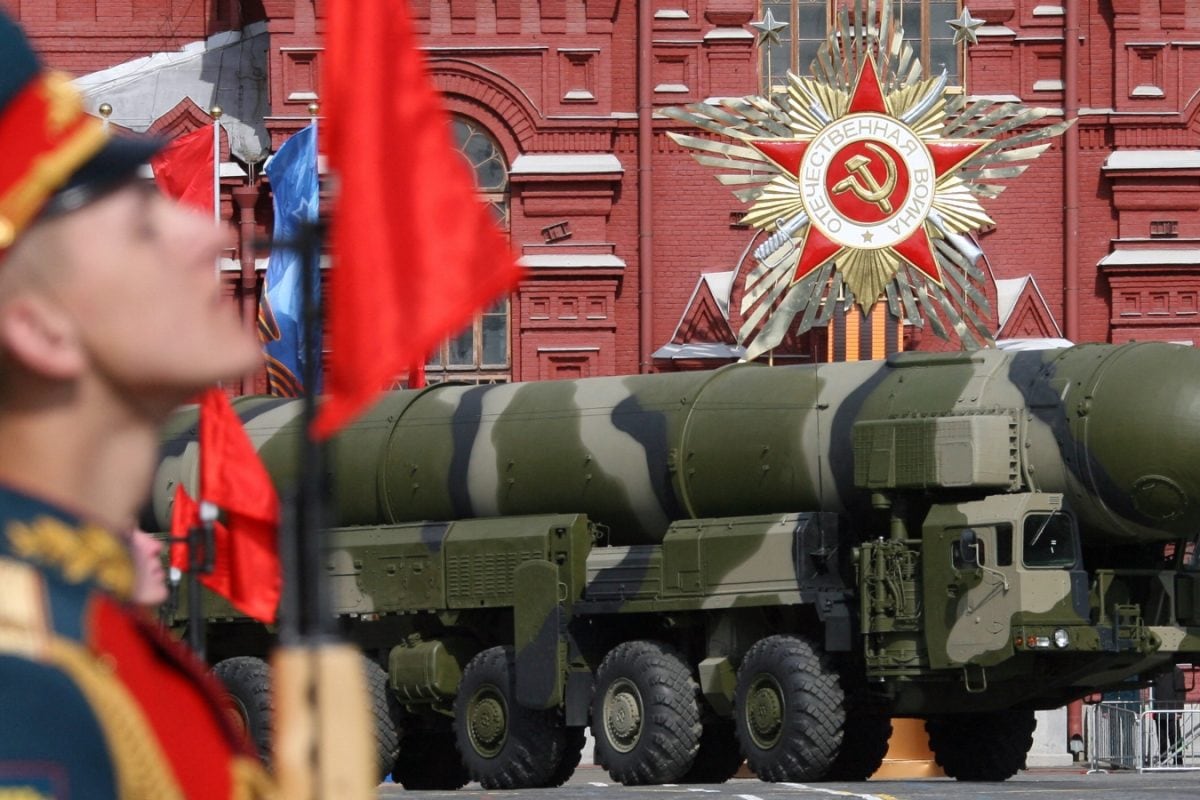
Further, the Islamic regime’s global partners did not come to its rescue. Tehran supplied drones to Moscow for its war against Ukraine; however, the Russians were careful to avoid any direct confrontation with the United States in the event of an Iran-US war. Russia is deeply entangled in its European conflict, which is likely to escalate further, as well as its simmering disputes in the South Caucasus. It is therefore in no position to overstretch itself by becoming involved in Middle Eastern conflicts.
Even in Syria, Russia failed to protect its long-time protégé, Bashar al-Assad. Moreover, the ouster of Assad—who belonged to the Shia Alawi community—significantly weakened Iran’s regional posture. Under the Assad regime, the IRGC had freely used Syrian territory to smuggle weapons, explosives, and money to Hamas and Hezbollah. The severing of the Syrian link has significantly disrupted this channel, adversely affecting weapons supplies to Iranian proxies.
Furthermore, even Iran’s trusted partner, China, showed little enthusiasm in supporting Tehran. Chinese policy in the Middle East is primarily focused on safeguarding energy security rather than intervening in regional political or security disputes. A closer examination of the Iran–China relationship reveals Beijing’s predatory approach. China has compelled Iran to sell its oil at heavily discounted rates. Beyond this transactional relationship, China appears largely indifferent to Iran’s regional conflicts. Overreliance on Russia and China thus proved costly for the Khamenei regime.
Future Trajectory
Iran experts Sadjadpour and Goldstone, in their insightful article published in The Atlantic, list five conditions necessary for a successful revolution—and, remarkably, all are present in Iran today. They argue that “history suggests that regimes collapse not from single failures but from a fatal confluence of stressors… five specific conditions necessary for a revolution to succeed: a fiscal crisis, divided elites, a diverse oppositional coalition, a convincing narrative of resistance, and a favourable international environment. This winter, for the first time since 1979, Iran checks nearly all five boxes.”
In addition to the fiscal crisis and international factors discussed above, the regime also faces growing alienation among its own elites. Former senior leaders such as Ahmadinejad, Mousavi, and Khatami have been marginalised, sidelined, or placed under house arrest. Moreover, the regime’s social, political, and economic authoritarianism has united a motley array of oppositional coalitions against perceived injustice and persecution. The narrative underpinning the ongoing revolt is increasingly rooted in reviving Iran’s pre-Islamic civilisational heritage and hostility towards Islam. In informal conversations with Iranian youths, I have encountered intense disdain for Islam.
Many view the Arab Islamic conquest of Iran as a national tragedy that destroyed its arts, culture, and philosophy. This sentiment is evident in the present unrest, with youths attacking mosques, young women removing the hijab, smoking cigarettes, and wearing short clothes in acts of protest. They perceive the regime as an occupying force. Atheism, a fierce sense of corrective nationalism, anti-Islam ideology, and renewed interest in Zoroastrianism form a powerful undercurrent of the revolution against the regime.
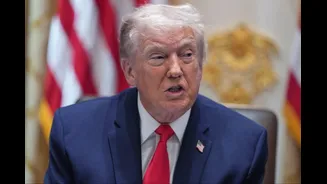
Internationally, the tide has turned against Tehran. Its disastrous defeat in the 12-day war against Israel has exposed and laid bare its vulnerabilities. Russia is preoccupied with Ukraine, and China remains indifferent. US President Donald Trump has issued threats against the Iranian regime, while Israeli officials have openly encouraged protestors, fuelling speculation of a direct US attack on Iran. In the backdrop of the US capture of Venezuela’s president—and Iran’s ally—Maduro, these speculations have gained further traction. These factors have boosted protestors’ confidence. However, they still need to forge links with disgruntled elites by offering them incentives in a post-regime order.
The regime’s only saving grace remains the loyalty of the IRGC. Over time, the IRGC has evolved into a vast military–industrial complex with deep control over Iran’s politics, governance, military, and economy. Its leadership benefits directly from the status quo and would be the biggest loser in any revolutionary outcome. The security forces remain united and firmly aligned with the regime. They continue to repress protestors brutally. Internet services have been shut down. Between 2,500 and 3,000 protestors have reportedly been killed in police firing, while some estimates suggest the death toll may exceed 12,000 due to state repression.
Against this backdrop, it can be argued that Iran’s mullah regime is facing its gravest challenge to date. Even if it survives, it will emerge profoundly weakened and fractured, unable to withstand another wave of civil unrest. The breach of trust between the regime and the people has crossed a point of no return; the Iranian populace harbours little but hatred for the ruling elite. Alternatively, the IRGC may eventually supplant the religious leadership and emerge as the ultimate arbiter of power. In such a scenario, Iran would likely transition into a pragmatic military dictatorship with minimal religious baggage.
Sadjadpour and Goldstone conclude poignantly in The Atlantic: “The Islamic Republic is today a zombie regime. Its legitimacy, ideology, economy, and top leaders are dead or dying. What keeps it alive is lethal force. The most important element still missing from a full revolutionary collapse is the repressive forces deciding that they, too, are no longer benefiting from, and hence no longer willing to kill for, the regime. Brutality can delay the regime’s funeral, but it is unlikely to restore its pulse.”
(The author is a Cornell University graduate in public affairs, bachelors from St Stephen’s College, Delhi and has done his PhD on Jaish-e-Mohammad. He is a policy analyst specialising in counterterrorism, Indian foreign policy and Afghanistan-Pakistan geopolitics. Views expressed in the above piece are personal and solely those of the author. They do not necessarily reflect Firstpost’s views.)
Nurturing a string of Sunni and Shia terrorist proxies such as Hezbollah, Hamas, the Houthis, and Iraqi Shia militias, the Iranian regime perceived these ideologically committed terror outfits as permanent assets—shock absorbers constituting a ring of deterrence. However, massive expenditures on them drained Iran’s economy, severely impeding much-needed domestic investments that could have raised the standard of living of the middle class. Particularly after sanctions were imposed on Iranian oil exports in 2011, the economic burden of nurturing foreign proxies at the cost of the local population became unbearable and unsustainable. While the powerful mullahs of the regime were busy exporting ideology to foreign terrorist groups, Iran’s youth and middle class faced tremendous pressures from inflation and stagnant wages, leading to massive resentment, hatred for the regime, and ideological alienation.
Little did Khamenei, his mullahs, and the IRGC commanders realise that these proxies were always contingent assets, perpetually vulnerable to Israel’s countermeasures. In Israel’s prolonged wars with them, these groups were subjected to relentless wars of attrition and forced battlefield adaptation. Finally, following the October 7 Hamas attack, Israel launched a massive counter-offensive, effectively decimating and neutralising them.
Another pertinent aspect of Iran’s policy towards these proxies is the regime’s ideological rigidity in adapting, innovating, and revising its strategy. In the mullah regime’s vision, these proxy terrorist outfits have always carried significant religious value. Therefore, even when the top-level regime hierarchy was apprised of the weakening and declining effectiveness of these proxies, the ideologically hardline leadership refused to change course and continued its quixotic obsession with supporting them.
Even in the conventional war domain, despite all the hype surrounding Iran’s advanced missile and drone capabilities, Tehran could hardly withstand an Israeli onslaught. Within a few days—if not hours—Jerusalem clearly demonstrated its air superiority and established dominance in Iranian skies. American strikes on Iran’s nuclear facilities severely damaged its nuclear capabilities, reversing its progress by several years, if not destroying it altogether.
Further, the Islamic regime’s global partners did not come to its rescue. Tehran supplied drones to Moscow for its war against Ukraine; however, the Russians were careful to avoid any direct confrontation with the United States in the event of an Iran-US war. Russia is deeply entangled in its European conflict, which is likely to escalate further, as well as its simmering disputes in the South Caucasus. It is therefore in no position to overstretch itself by becoming involved in Middle Eastern conflicts.
Even in Syria, Russia failed to protect its long-time protégé, Bashar al-Assad. Moreover, the ouster of Assad—who belonged to the Shia Alawi community—significantly weakened Iran’s regional posture. Under the Assad regime, the IRGC had freely used Syrian territory to smuggle weapons, explosives, and money to Hamas and Hezbollah. The severing of the Syrian link has significantly disrupted this channel, adversely affecting weapons supplies to Iranian proxies.
Furthermore, even Iran’s trusted partner, China, showed little enthusiasm in supporting Tehran. Chinese policy in the Middle East is primarily focused on safeguarding energy security rather than intervening in regional political or security disputes. A closer examination of the Iran–China relationship reveals Beijing’s predatory approach. China has compelled Iran to sell its oil at heavily discounted rates. Beyond this transactional relationship, China appears largely indifferent to Iran’s regional conflicts. Overreliance on Russia and China thus proved costly for the Khamenei regime.
Future Trajectory
Iran experts Sadjadpour and Goldstone, in their insightful article published in The Atlantic, list five conditions necessary for a successful revolution—and, remarkably, all are present in Iran today. They argue that “history suggests that regimes collapse not from single failures but from a fatal confluence of stressors… five specific conditions necessary for a revolution to succeed: a fiscal crisis, divided elites, a diverse oppositional coalition, a convincing narrative of resistance, and a favourable international environment. This winter, for the first time since 1979, Iran checks nearly all five boxes.”
In addition to the fiscal crisis and international factors discussed above, the regime also faces growing alienation among its own elites. Former senior leaders such as Ahmadinejad, Mousavi, and Khatami have been marginalised, sidelined, or placed under house arrest. Moreover, the regime’s social, political, and economic authoritarianism has united a motley array of oppositional coalitions against perceived injustice and persecution. The narrative underpinning the ongoing revolt is increasingly rooted in reviving Iran’s pre-Islamic civilisational heritage and hostility towards Islam. In informal conversations with Iranian youths, I have encountered intense disdain for Islam.
Many view the Arab Islamic conquest of Iran as a national tragedy that destroyed its arts, culture, and philosophy. This sentiment is evident in the present unrest, with youths attacking mosques, young women removing the hijab, smoking cigarettes, and wearing short clothes in acts of protest. They perceive the regime as an occupying force. Atheism, a fierce sense of corrective nationalism, anti-Islam ideology, and renewed interest in Zoroastrianism form a powerful undercurrent of the revolution against the regime.
Internationally, the tide has turned against Tehran. Its disastrous defeat in the 12-day war against Israel has exposed and laid bare its vulnerabilities. Russia is preoccupied with Ukraine, and China remains indifferent. US President Donald Trump has issued threats against the Iranian regime, while Israeli officials have openly encouraged protestors, fuelling speculation of a direct US attack on Iran. In the backdrop of the US capture of Venezuela’s president—and Iran’s ally—Maduro, these speculations have gained further traction. These factors have boosted protestors’ confidence. However, they still need to forge links with disgruntled elites by offering them incentives in a post-regime order.
The regime’s only saving grace remains the loyalty of the IRGC. Over time, the IRGC has evolved into a vast military–industrial complex with deep control over Iran’s politics, governance, military, and economy. Its leadership benefits directly from the status quo and would be the biggest loser in any revolutionary outcome. The security forces remain united and firmly aligned with the regime. They continue to repress protestors brutally. Internet services have been shut down. Between 2,500 and 3,000 protestors have reportedly been killed in police firing, while some estimates suggest the death toll may exceed 12,000 due to state repression.
Against this backdrop, it can be argued that Iran’s mullah regime is facing its gravest challenge to date. Even if it survives, it will emerge profoundly weakened and fractured, unable to withstand another wave of civil unrest. The breach of trust between the regime and the people has crossed a point of no return; the Iranian populace harbours little but hatred for the ruling elite. Alternatively, the IRGC may eventually supplant the religious leadership and emerge as the ultimate arbiter of power. In such a scenario, Iran would likely transition into a pragmatic military dictatorship with minimal religious baggage.
Sadjadpour and Goldstone conclude poignantly in The Atlantic: “The Islamic Republic is today a zombie regime. Its legitimacy, ideology, economy, and top leaders are dead or dying. What keeps it alive is lethal force. The most important element still missing from a full revolutionary collapse is the repressive forces deciding that they, too, are no longer benefiting from, and hence no longer willing to kill for, the regime. Brutality can delay the regime’s funeral, but it is unlikely to restore its pulse.”
(The author is a Cornell University graduate in public affairs, bachelors from St Stephen’s College, Delhi and has done his PhD on Jaish-e-Mohammad. He is a policy analyst specialising in counterterrorism, Indian foreign policy and Afghanistan-Pakistan geopolitics. Views expressed in the above piece are personal and solely those of the author. They do not necessarily reflect Firstpost’s views.)