








What is the story about?
Google’s proposal to release millions of mosquitoes in the US is creating a buzz. The tech giant has sought federal approval to disperse 32 million (3.2 crore) bacteria-infected mosquitoes in Florida and California over the next two years.
The proposal is being reviewed by the US Environmental Protection Agency (EPA), which has called for public comments until June 5. After this deadline, the agency will take a decision on whether to issue Google an experimental use permit.
Let’s take a closer look.
Google wants to release millions of mosquitoes in Florida and California as the company’s Debug initiative aims to reduce diseases spread by these flies.
Launched over a decade ago by Alphabet’s life sciences subsidiary, Verily, Debug deploys a specialised variation of the Sterile Insect Technique (SIT) by using a naturally occurring bacterium called Wolbachia.
As per a USA Today report, the tech giant filed an experimental use permit last year, noted in the Federal Register, to inject mosquitoes with a specific strain of the Wolbachia pipientis bacteria.
When the infected male mates with a wild female that does not carry the same strain, the resulting eggs do not hatch.
Over time, this technique helps bring down virus-spreading mosquito populations.
“But it’s never worked with mosquitoes at a large enough scale to stop diseases from being transmitted,” as per the Debug website. “Mosquitoes are fragile and difficult to rear in the necessary numbers. With Debug, we’re developing new technologies to make it possible.”
If Google gets permission to release millions of these specially treated flies, one major question that arises is whether cases of mosquito bites will surge.
According to the Federal Register notice, 16 million (1.6 crore) laboratory-bred and sterilised male mosquitoes would be released in Florida and California in the first year, while the remaining during the second year of the experiment.
The specific location where they will be released has not been revealed yet. In the mosquito world, only female mosquitoes bite. As Google plans to disperse only male mosquitoes, biting complaints are unlikely to increase.
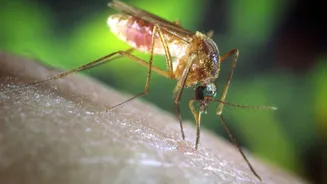
Researchers say Google’s proposal targets the Culex quinquefasciatus variety of mosquito, a species that transmits West Nile virus and St. Louis encephalitis.
“Obviously, West Nile is a problem. That’s a big reason for targeting it,” University of Florida Assistant Professor Eric Caragata told USA Today.
As per the US Centers for Disease Control and Prevention (CDC), West Nile virus is the leading cause of mosquito-borne disease in America. Over 1,300 people fall severely ill each year due to the virus, which affects their central nervous system.
Before, Debug targeted the Aedes aegypti mosquito, which spreads several viruses, including dengue, Zika, yellow fever and chikungunya.
Under its Debug initiative, Google is combining technology, such as artificial intelligence (AI) and specialised insect breeding robots, with the skills of software engineers and biologists to reduce mosquito-borne disease.
On May 12, Debug said it is expanding its research and development programme in Singapore with a focus on AI and automation to breed, sort and release sterilised male mosquitoes, as per
USA Today.
Mosquitoes will be reared in an “end-to-end” robotic system. Whereas, proprietary AI-powered computer vision will be employed to separate adult male and female mosquitoes.
According to a study published in The Lancet Regional Health—Western Pacific journal, since infected mosquitoes began being released in Singapore in 2016, dengue cases plunged to their lowest levels last year since 2018.
“The key thing is male mosquitoes don’t bite people,” said Caragata about the Google Debug proposal outlined in the Federal Register. “They are going to release millions of mosquitoes, but they won’t impact people in a negative way.”
Google's project does not modify insects’ DNA or use harsh chemical pesticides to bring down the mosquito population.
“It’s a great concept, and we’re putting it to real use to see if it works,” Chad Huff, public information officer for the Florida Keys Mosquito Control District, told KVUE.
Huff said mosquito control agencies have been exploring alternatives to traditional pesticide-based methods for years.
However, not everyone is excited about the proposed experiment.
Brent Nye, a Florida resident, said to
10 Tampa Bay News, “I think it’s interesting. I’m not sure whether I would want them in my backyard because there are going to be a lot of things that go wrong. I’d rather have some other state to experiment on.”
With inputs from agencies
The proposal is being reviewed by the US Environmental Protection Agency (EPA), which has called for public comments until June 5. After this deadline, the agency will take a decision on whether to issue Google an experimental use permit.
Let’s take a closer look.
Google’s Debug project
Google wants to release millions of mosquitoes in Florida and California as the company’s Debug initiative aims to reduce diseases spread by these flies.
Launched over a decade ago by Alphabet’s life sciences subsidiary, Verily, Debug deploys a specialised variation of the Sterile Insect Technique (SIT) by using a naturally occurring bacterium called Wolbachia.
As per a USA Today report, the tech giant filed an experimental use permit last year, noted in the Federal Register, to inject mosquitoes with a specific strain of the Wolbachia pipientis bacteria.
When the infected male mates with a wild female that does not carry the same strain, the resulting eggs do not hatch.
Over time, this technique helps bring down virus-spreading mosquito populations.
“But it’s never worked with mosquitoes at a large enough scale to stop diseases from being transmitted,” as per the Debug website. “Mosquitoes are fragile and difficult to rear in the necessary numbers. With Debug, we’re developing new technologies to make it possible.”
How will the project work?
If Google gets permission to release millions of these specially treated flies, one major question that arises is whether cases of mosquito bites will surge.
According to the Federal Register notice, 16 million (1.6 crore) laboratory-bred and sterilised male mosquitoes would be released in Florida and California in the first year, while the remaining during the second year of the experiment.
The specific location where they will be released has not been revealed yet. In the mosquito world, only female mosquitoes bite. As Google plans to disperse only male mosquitoes, biting complaints are unlikely to increase.
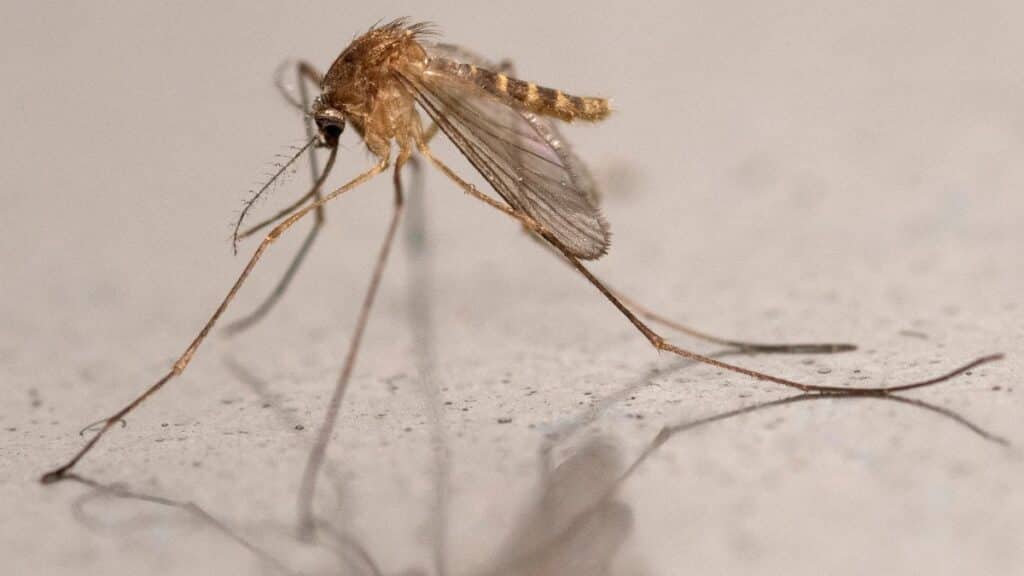
Researchers say Google’s proposal targets the Culex quinquefasciatus variety of mosquito, a species that transmits West Nile virus and St. Louis encephalitis.
A common house mosquito (Culex pipiens) in Montreuil, eastern suburbs of Paris, on August 12, 2025. File Photo/AFP
“Obviously, West Nile is a problem. That’s a big reason for targeting it,” University of Florida Assistant Professor Eric Caragata told USA Today.
As per the US Centers for Disease Control and Prevention (CDC), West Nile virus is the leading cause of mosquito-borne disease in America. Over 1,300 people fall severely ill each year due to the virus, which affects their central nervous system.
Before, Debug targeted the Aedes aegypti mosquito, which spreads several viruses, including dengue, Zika, yellow fever and chikungunya.
How Google’s technology will come into play
Under its Debug initiative, Google is combining technology, such as artificial intelligence (AI) and specialised insect breeding robots, with the skills of software engineers and biologists to reduce mosquito-borne disease.
On May 12, Debug said it is expanding its research and development programme in Singapore with a focus on AI and automation to breed, sort and release sterilised male mosquitoes, as per
Mosquitoes will be reared in an “end-to-end” robotic system. Whereas, proprietary AI-powered computer vision will be employed to separate adult male and female mosquitoes.
According to a study published in The Lancet Regional Health—Western Pacific journal, since infected mosquitoes began being released in Singapore in 2016, dengue cases plunged to their lowest levels last year since 2018.
“The key thing is male mosquitoes don’t bite people,” said Caragata about the Google Debug proposal outlined in the Federal Register. “They are going to release millions of mosquitoes, but they won’t impact people in a negative way.”
Google's project does not modify insects’ DNA or use harsh chemical pesticides to bring down the mosquito population.
“It’s a great concept, and we’re putting it to real use to see if it works,” Chad Huff, public information officer for the Florida Keys Mosquito Control District, told KVUE.
Huff said mosquito control agencies have been exploring alternatives to traditional pesticide-based methods for years.
However, not everyone is excited about the proposed experiment.
Brent Nye, a Florida resident, said to
With inputs from agencies