





What is the story about?
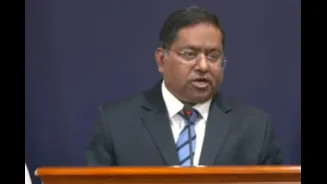
India is gearing up to host one of the most significant global gatherings on artificial intelligence, the AI Impact Summit 2026, in New Delhi next week. Ahead of the event, the Ministry of External Affairs (MEA) Randhir Jaiswal has outlined seven key focus areas that will guide global discussions on the responsible and inclusive development of AI.
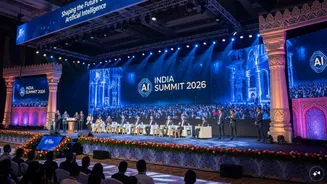
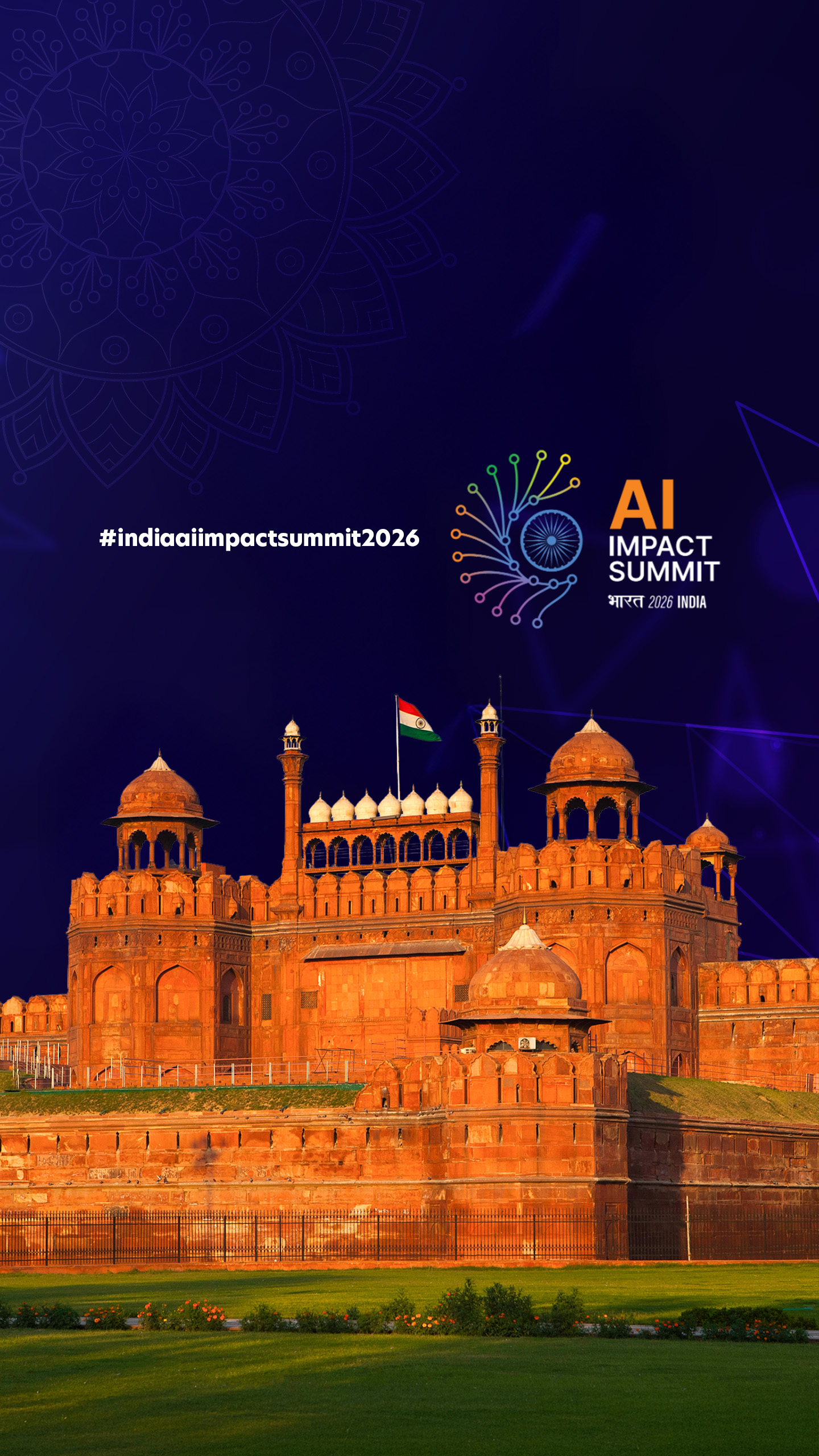
Set to be held from February 16 to 20 at Bharat Mandapam, the AI Impact Summit brings together global leaders, policymakers, and innovators to shape the world’s AI future.
As the first major international AI event to be hosted in the Global South, it represents a defining moment for technology diplomacy, and a reflection of India’s growing leadership in digital governance.
Rooted in the national ethos of Sarvajan Hitaya, Sarvajan Sukhaya (for the welfare and happiness of all), the MEA’s announcement blends ethics, innovation and inclusion, positioning AI as a tool not only for progress but for global good.
In its roadmap shared on X, Jaiswal revealed seven core “chakras”, or areas of focus, that will drive the AI Impact Summit. These include human capital, where India seeks to build global capacity through AI education and workforce training, and inclusion for social empowerment, ensuring the benefits of AI extend to marginalised communities.
Another priority is safe and trusted AI, reflecting growing international concern over data ethics, algorithmic bias and misuse.
The framework also highlights resilience, strengthening AI ecosystems against cyber risks and disruptions, and innovation and efficiency, which call for supporting breakthrough ideas and scalable technologies. Science is another central theme, encouraging research partnerships between developed and developing economies, while democratising AI resources aims to ensure fair access to data, computing power and models.
Together, these seven focuses reflect India’s guiding principles of People, Planet and Progress, serving as both a vision and an action plan for shaping AI that uplifts rather than disrupts. The MEA’s articulation is clear: AI must be inclusive, secure, and centred around human values.
Hosting the AI Impact Summit 2026 is more than a diplomatic milestone, it’s a strategic statement. By convening the world’s leading AI voices in New Delhi, India positions itself as a global thought leader in balancing innovation with accountability.
The summit is expected to bring together delegates from over 100 countries, alongside representatives from top technology firms, research institutions and civil society. Discussions will go beyond technical breakthroughs to address how AI can drive equitable growth, mitigate displacement risks, and create frameworks for global cooperation.
Crucially, it signals a shift in the centre of AI governance. For years, the dialogue has been dominated by Western institutions; now, emerging economies are asserting their role in shaping the rules of the future. India’s emphasis on human-centred development and open collaboration may well influence the next chapter of global AI policymaking.
As the countdown begins, the seven “chakras” outlined by the MEA serve as both a blueprint and a moral compass, one that could redefine how the world thinks about artificial intelligence and its impact on humanity.
Set to be held from February 16 to 20 at Bharat Mandapam, the AI Impact Summit brings together global leaders, policymakers, and innovators to shape the world’s AI future.
As the first major international AI event to be hosted in the Global South, it represents a defining moment for technology diplomacy, and a reflection of India’s growing leadership in digital governance.
AI for People, Planet and Progress.
The upcoming India-AI Impact Summit is the first-ever global AI Summit to be hosted in the Global South.
The theme of this summit is ‘Sarvajan Hitaya, Sarvajan Sukhaya - Welfare for All, Happiness of All' and is based on 3 sutras or guiding… pic.twitter.com/uQmeMartOz
— Randhir Jaiswal (@MEAIndia) February 12, 2026
Rooted in the national ethos of Sarvajan Hitaya, Sarvajan Sukhaya (for the welfare and happiness of all), the MEA’s announcement blends ethics, innovation and inclusion, positioning AI as a tool not only for progress but for global good.
AI Impact Summit 2026: 7 focuses
In its roadmap shared on X, Jaiswal revealed seven core “chakras”, or areas of focus, that will drive the AI Impact Summit. These include human capital, where India seeks to build global capacity through AI education and workforce training, and inclusion for social empowerment, ensuring the benefits of AI extend to marginalised communities.
Another priority is safe and trusted AI, reflecting growing international concern over data ethics, algorithmic bias and misuse.
The framework also highlights resilience, strengthening AI ecosystems against cyber risks and disruptions, and innovation and efficiency, which call for supporting breakthrough ideas and scalable technologies. Science is another central theme, encouraging research partnerships between developed and developing economies, while democratising AI resources aims to ensure fair access to data, computing power and models.
Together, these seven focuses reflect India’s guiding principles of People, Planet and Progress, serving as both a vision and an action plan for shaping AI that uplifts rather than disrupts. The MEA’s articulation is clear: AI must be inclusive, secure, and centred around human values.
AI Impact Summit in India: Why it matters
Hosting the AI Impact Summit 2026 is more than a diplomatic milestone, it’s a strategic statement. By convening the world’s leading AI voices in New Delhi, India positions itself as a global thought leader in balancing innovation with accountability.
The summit is expected to bring together delegates from over 100 countries, alongside representatives from top technology firms, research institutions and civil society. Discussions will go beyond technical breakthroughs to address how AI can drive equitable growth, mitigate displacement risks, and create frameworks for global cooperation.
Crucially, it signals a shift in the centre of AI governance. For years, the dialogue has been dominated by Western institutions; now, emerging economies are asserting their role in shaping the rules of the future. India’s emphasis on human-centred development and open collaboration may well influence the next chapter of global AI policymaking.
As the countdown begins, the seven “chakras” outlined by the MEA serve as both a blueprint and a moral compass, one that could redefine how the world thinks about artificial intelligence and its impact on humanity.