




What is the story about?
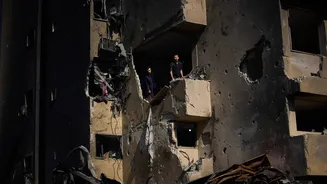
The fragile ceasefire between the United States and Iran is facing strain after the collapse of recent talks in Islamabad. While both sides have avoided a direct return to full-scale conflict, the situation in West Asia remains tense, with no clear path toward a long-lasting agreement.
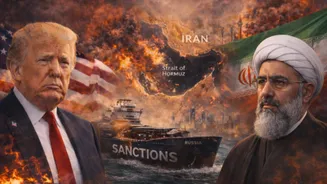
The two-week ceasefire, which began on April 8, is now close to expiring without a follow-up deal in place. The initial truce was supposedly linked to conditions around the reopening of the Strait of Hormuz, a key global shipping route. However, disputes over vessel access have continued, with Iran reportedly maintaining restrictions even during the ceasefire period.
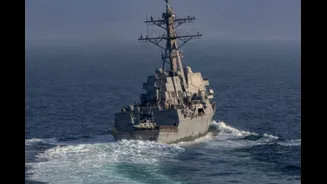
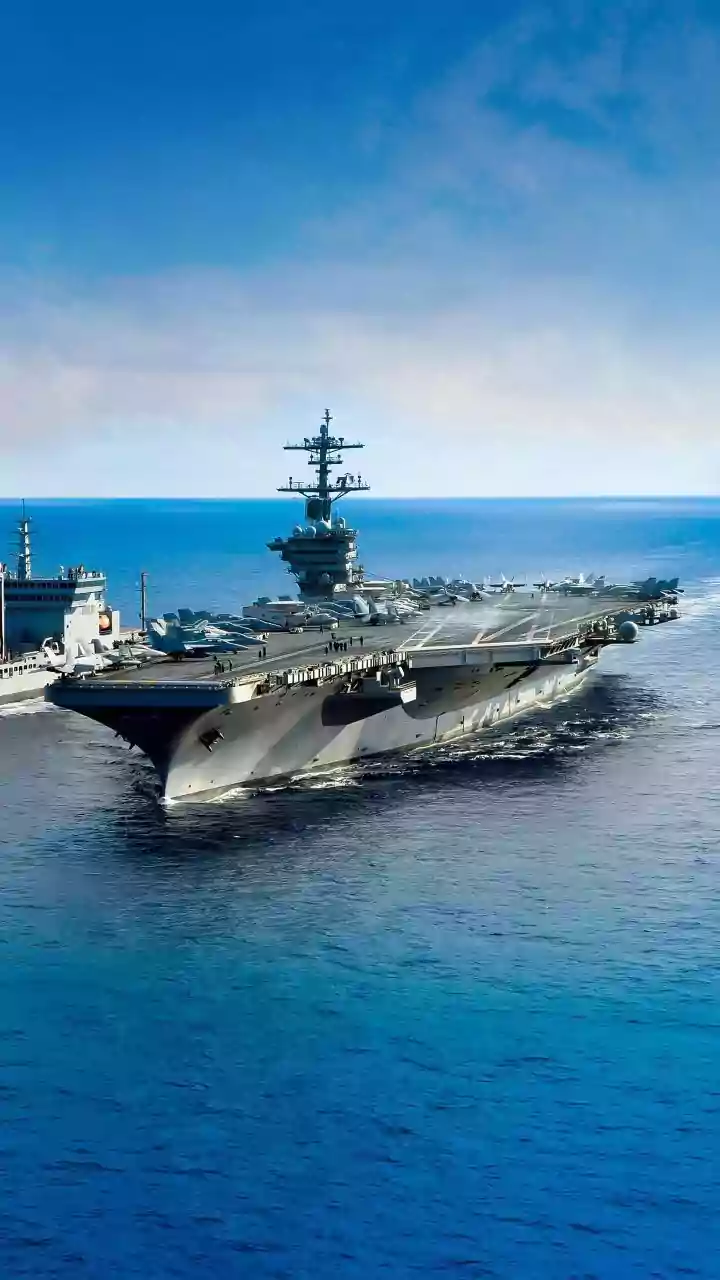
At the same time, military activity in the region suggests that the United States has not scaled back its presence. Instead, forces remain on alert, and logistics movements point to continued readiness for rapid action if required.
Open-source flight tracking data has shown continuous movement of US' C-17 Globemaster III transport aircraft into West Asia. At least nine such aircraft have been reported operating in the region in recent days. These aircraft are widely used to move troops, equipment, and supplies, suggesting that US military logistics remain fully active.
US ground forces have also reportedly arrived in West Asia, adding to an already strong military footprint in the region. Defence planning is said to include a range of options, including limited ground operations, though no official confirmation has been given till now.
Analysts describe the situation as one of “deliberate ambiguity,” where military capability is positioned to allow fast escalation if ordered.
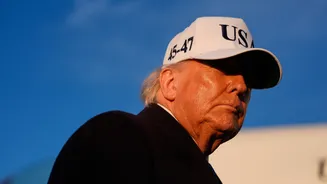
US President Donald Trump has continuously maintained a hardline position throughout the crisis. On April 5, he warned that Iran’s power infrastructure and transport routes could be targeted if the Strait of Hormuz was not reopened within 48 hours. That deadline passed shortly before the ceasefire was agreed.
Since then, Trump has continued to warn Tehran regarding further escalation, while insisting that US demands must be met for peace to hold. His earlier statements have raised concerns among observers about a possible return to military action if negotiations fail completely.
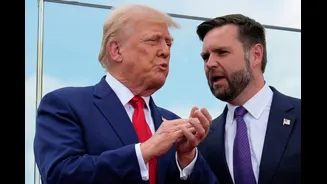
US Vice President JD Vance’s “final and best offer” remains on the table, but Iran has not yet given a clear response to it. The next 24 to 48 hours are expected to be crucial in determining whether diplomacy can be revived or whether tensions will escalate again.
With no successor agreement in place and both sides holding firm positions on key issues, the ceasefire appears increasingly fragile. The combination of stalled talks, ongoing military readiness, and unresolved disputes over the Strait of Hormuz has left the region on edge.
For now, the question remains open: whether diplomacy will hold, or whether the region is heading back toward renewed conflict.
The two-week ceasefire, which began on April 8, is now close to expiring without a follow-up deal in place. The initial truce was supposedly linked to conditions around the reopening of the Strait of Hormuz, a key global shipping route. However, disputes over vessel access have continued, with Iran reportedly maintaining restrictions even during the ceasefire period.
At the same time, military activity in the region suggests that the United States has not scaled back its presence. Instead, forces remain on alert, and logistics movements point to continued readiness for rapid action if required.
US military on alert
Open-source flight tracking data has shown continuous movement of US' C-17 Globemaster III transport aircraft into West Asia. At least nine such aircraft have been reported operating in the region in recent days. These aircraft are widely used to move troops, equipment, and supplies, suggesting that US military logistics remain fully active.
US ground forces have also reportedly arrived in West Asia, adding to an already strong military footprint in the region. Defence planning is said to include a range of options, including limited ground operations, though no official confirmation has been given till now.
Analysts describe the situation as one of “deliberate ambiguity,” where military capability is positioned to allow fast escalation if ordered.
Trump’s repeated warnings
US President Donald Trump has continuously maintained a hardline position throughout the crisis. On April 5, he warned that Iran’s power infrastructure and transport routes could be targeted if the Strait of Hormuz was not reopened within 48 hours. That deadline passed shortly before the ceasefire was agreed.
Since then, Trump has continued to warn Tehran regarding further escalation, while insisting that US demands must be met for peace to hold. His earlier statements have raised concerns among observers about a possible return to military action if negotiations fail completely.
Uncertainty over what lies ahead
US Vice President JD Vance’s “final and best offer” remains on the table, but Iran has not yet given a clear response to it. The next 24 to 48 hours are expected to be crucial in determining whether diplomacy can be revived or whether tensions will escalate again.
With no successor agreement in place and both sides holding firm positions on key issues, the ceasefire appears increasingly fragile. The combination of stalled talks, ongoing military readiness, and unresolved disputes over the Strait of Hormuz has left the region on edge.
For now, the question remains open: whether diplomacy will hold, or whether the region is heading back toward renewed conflict.