




What is the story about?
On Monday (March 23), Donald Trump appeared to chicken out when he deferred his threat to bomb Iran’s power plants that he had issued over the weekend. Now, three days later, he seems to have chickened out yet again as he extended his deadline for Iran to open the Strait of Hormuz by 10 days to April 6.
The announcement on Thursday (March 26) comes as the US president continues to pressure Iran to reopen the Strait of Hormuz, a vital waterway for oil traffic.
But many note that there’s more than meets the eye in terms of Trump’s large-hearted gesture. While the US president has noted that it’s because talks are progressing well, one can’t help but ignore the possible troop build-up in West Asia.
So, is it a matter of good talks, buying time, or the markets that led to Trump’s moving deadline on Iran?
On Thursday (March 26), US President Donald Trump pushed back his deadline for strikes on Iran’s energy assets to April 6. The extension came after he denied that he was “desperate” for a deal, telling his Cabinet that Iran was being “beat to shit” and was “begging” for a deal.
Earlier, on Monday, Trump surprised everyone when he announced that he had instructed the US Department of War to delay any military action against Iranian power plants and energy sites for five days, citing ongoing diplomatic engagements with Tehran amid escalating tensions in West Asia.
In a post on Truth Social, Trump noted that the United States and Iran had held “very good and productive conversations” aimed at resolving hostilities in the region. He added that the decision to pause strikes was based on the “tenor and tone” of the discussions, which he described as “in-depth, detailed, and constructive”.
“I am pleased to report that the United States of America, and the country of Iran, have had, over the last two days, very good and productive conversations regarding a complete and total resolution of our hostilities in the Middle East,” the post read.
“Based on the tenor and tone of these in-depth, detailed, and constructive conversations, which will continue throughout the week, I have instructed the Department of War to postpone any and all military strikes against Iranian power plants and energy Infrastructure for a five-day period, subject to the success of the ongoing meetings and discussions. Thank you for your attention to this matter!” it added.
This apparent pullback came after the US president had issued an ultimatum to Tehran last Saturday, giving it 48 hours to open the strategically significant Strait of Hormuz or face potential strikes on its energy facilities.
But what’s behind Trump’s 10-day pause to target Iran’s energy sites? The US president said that his decision came following a request from Tehran and that talks on ending the war were “going very well”.
“Talks are ongoing and, despite erroneous statements to the contrary by the fake news media, and others, they are going very well,” Trump posted on his Truth Social platform.
“As per Iranian Government request... I am pausing the period of energy plant destruction by 10 days to Monday, April 6, 2026, at 8 pm, Eastern Time,” he posted.
The US president later told Fox News that Iran had approached his administration requesting more time as part of the ongoing diplomatic engagement between the two sides amid the conflict in West Asia. “They said to me very nicely, through my people, ‘Could we have more time?’ Because we’re talking about tomorrow night, which is pretty quick, and if they don’t do what they have to do, I will knock out their power plants,” Trump said.
Elaborating on his decision, Trump added, “They asked for seven, and I said, ‘I’m going to give you 10,’ because they gave me ships.” Trump stated that his decision to give 10 days was because of Iran allowing the passage of eight oil tankers through the Strait of Hormuz as a “present” to the United States amid ongoing negotiations.
“We talked about the eight ships, the present that I talked about the other day, but they asked for seven, and I gave them 10. And they were very thankful about that,” the US president added.
The timing of Trump’s decision to extend Iran’s deadline is significant. Eleven minutes after the stock market ended one of its worst days this year, US President Trump announced that he had extended his deadline for Iran to open the Strait of Hormuz or face strikes on its power plants.
Thursday was a brutal day for investors in the American markets. Stocks suffered their largest daily decline since the war began on February 28. Bond prices slipped and the S&P 500 fell, while the price of Brent crude oil, the global benchmark, surged to just above $108 per barrel.

Interestingly, soon after Trump announced the extension to Tehran, market sentiment improved — Brent fell 1.3 per cent to about $106 a barrel while the US equity-index futures pared earlier gains to 0.2 per cent.
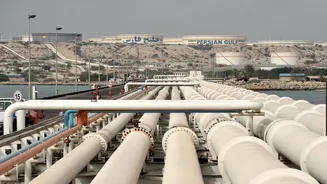
Since the war began, the market has seen volatility, with investors uncertain about whether hostilities are set to ease or escalate. Traders are closely watching the Strait of Hormuz, a key waterway for West Asia oil flows that remains effectively shut, driving crude oil higher and adding to inflation pressures.
“By extending the deadline, it effectively kicks the can down the road, pushing back any concrete resolution regarding the reopening of the Strait of Hormuz,” Tony Sycamore, a market analyst at IG Australia, wrote in a note. “This, in turn, simply extends the uncertainty weighing on markets and the broader global economy.”
Many experts note that Trump’s decision to extend the deadline to Iran could actually be a ruse to buy time to amass thousands of additional troops near Tehran. As Saturday approaches, experts predict that it could be D-Day, with a high possibility of the US putting boots on the ground.
Amjad Taha, a geostrategist from the United Arab Emirates, also posted about a possible ground invasion on Saturday, writing on X: “This Saturday will not pass quietly. It will be marked. It will be remembered.”
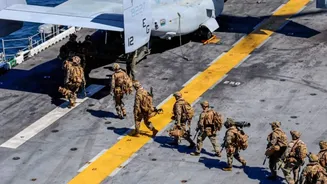
The Wall Street Journal has reported that the Pentagon is looking at sending up to 10,000 additional ground troops to West Asia. This comes after reports emerged that the US military is preparing to deploy at least 1,000 troops from the 82nd Airborne Division to West Asia in the coming days.
Additionally, there are ample signals that a ground invasion is on the anvil. An
Axios report states there are four scenarios the US is looking at:
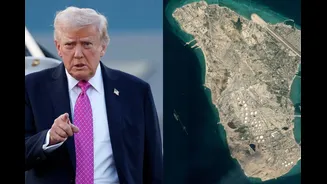
>> Invading and seizing Kharg Island, Iran’s economic lifeline.
>> Invading Larak, an island that helps Tehran maintain its vice-like grip control of the Strait of Hormuz.
>> Seizing the strategic island of Abu Musa and two nearby islands, which are located near Hormuz's western entrance.
>> Ground invasion deep inside Iran to secure nuclear material buried within facilities struck by the US and Israel.
And sensing that such a scenario may occur, Iran is preparing itself by putting in place layered defences. It has started laying anti-personnel and anti-armour mines around the island, as well as on the shoreline, where US troops could land, according to a
CNN report. Additional military personnel have been deployed, and air defences have also been strengthened.
We wait anxiously to see the next move unfold in the war. Will it be peace or a further escalation?
With inputs from agencies
The announcement on Thursday (March 26) comes as the US president continues to pressure Iran to reopen the Strait of Hormuz, a vital waterway for oil traffic.
But many note that there’s more than meets the eye in terms of Trump’s large-hearted gesture. While the US president has noted that it’s because talks are progressing well, one can’t help but ignore the possible troop build-up in West Asia.
- Catch all the live updates from the West Asia war
So, is it a matter of good talks, buying time, or the markets that led to Trump’s moving deadline on Iran?
Trump extends pause on strikes until April 6
On Thursday (March 26), US President Donald Trump pushed back his deadline for strikes on Iran’s energy assets to April 6. The extension came after he denied that he was “desperate” for a deal, telling his Cabinet that Iran was being “beat to shit” and was “begging” for a deal.
Earlier, on Monday, Trump surprised everyone when he announced that he had instructed the US Department of War to delay any military action against Iranian power plants and energy sites for five days, citing ongoing diplomatic engagements with Tehran amid escalating tensions in West Asia.
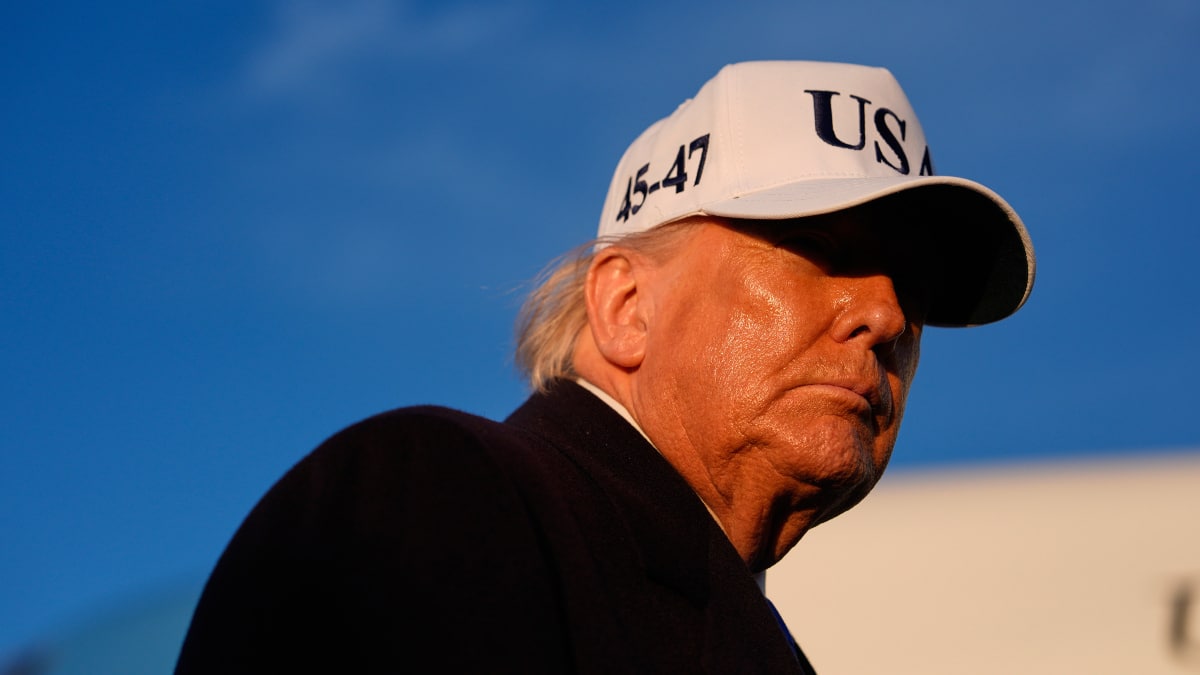
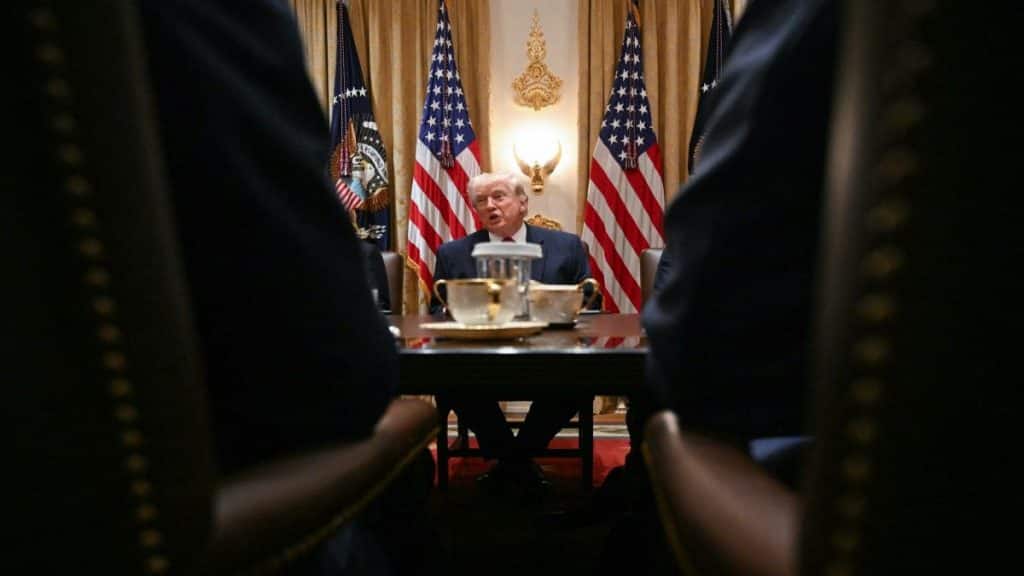
US President Donald Trump speaks during a Cabinet meeting in the Cabinet Room of the White House in Washington, DC. He announced a 10-day extension to Iran to open the Strait of Hormuz. AFP
In a post on Truth Social, Trump noted that the United States and Iran had held “very good and productive conversations” aimed at resolving hostilities in the region. He added that the decision to pause strikes was based on the “tenor and tone” of the discussions, which he described as “in-depth, detailed, and constructive”.
“I am pleased to report that the United States of America, and the country of Iran, have had, over the last two days, very good and productive conversations regarding a complete and total resolution of our hostilities in the Middle East,” the post read.
“Based on the tenor and tone of these in-depth, detailed, and constructive conversations, which will continue throughout the week, I have instructed the Department of War to postpone any and all military strikes against Iranian power plants and energy Infrastructure for a five-day period, subject to the success of the ongoing meetings and discussions. Thank you for your attention to this matter!” it added.
This apparent pullback came after the US president had issued an ultimatum to Tehran last Saturday, giving it 48 hours to open the strategically significant Strait of Hormuz or face potential strikes on its energy facilities.
Trump’s reason for pause: Talks, which are ‘going very well’
But what’s behind Trump’s 10-day pause to target Iran’s energy sites? The US president said that his decision came following a request from Tehran and that talks on ending the war were “going very well”.
“Talks are ongoing and, despite erroneous statements to the contrary by the fake news media, and others, they are going very well,” Trump posted on his Truth Social platform.
“As per Iranian Government request... I am pausing the period of energy plant destruction by 10 days to Monday, April 6, 2026, at 8 pm, Eastern Time,” he posted.
The US president later told Fox News that Iran had approached his administration requesting more time as part of the ongoing diplomatic engagement between the two sides amid the conflict in West Asia. “They said to me very nicely, through my people, ‘Could we have more time?’ Because we’re talking about tomorrow night, which is pretty quick, and if they don’t do what they have to do, I will knock out their power plants,” Trump said.
Elaborating on his decision, Trump added, “They asked for seven, and I said, ‘I’m going to give you 10,’ because they gave me ships.” Trump stated that his decision to give 10 days was because of Iran allowing the passage of eight oil tankers through the Strait of Hormuz as a “present” to the United States amid ongoing negotiations.
“We talked about the eight ships, the present that I talked about the other day, but they asked for seven, and I gave them 10. And they were very thankful about that,” the US president added.
Markets tumble… Trump extends deadline
The timing of Trump’s decision to extend Iran’s deadline is significant. Eleven minutes after the stock market ended one of its worst days this year, US President Trump announced that he had extended his deadline for Iran to open the Strait of Hormuz or face strikes on its power plants.
Thursday was a brutal day for investors in the American markets. Stocks suffered their largest daily decline since the war began on February 28. Bond prices slipped and the S&P 500 fell, while the price of Brent crude oil, the global benchmark, surged to just above $108 per barrel.
A trader works on the floor of the New York Stock Exchange (NYSE) at the opening bell in New York. Stocks suffered their largest daily decline on Thursday since the war began on February 28. AFP
Interestingly, soon after Trump announced the extension to Tehran, market sentiment improved — Brent fell 1.3 per cent to about $106 a barrel while the US equity-index futures pared earlier gains to 0.2 per cent.
Since the war began, the market has seen volatility, with investors uncertain about whether hostilities are set to ease or escalate. Traders are closely watching the Strait of Hormuz, a key waterway for West Asia oil flows that remains effectively shut, driving crude oil higher and adding to inflation pressures.
“By extending the deadline, it effectively kicks the can down the road, pushing back any concrete resolution regarding the reopening of the Strait of Hormuz,” Tony Sycamore, a market analyst at IG Australia, wrote in a note. “This, in turn, simply extends the uncertainty weighing on markets and the broader global economy.”
Trump trying to buy time for troop build-up
Many experts note that Trump’s decision to extend the deadline to Iran could actually be a ruse to buy time to amass thousands of additional troops near Tehran. As Saturday approaches, experts predict that it could be D-Day, with a high possibility of the US putting boots on the ground.
Amjad Taha, a geostrategist from the United Arab Emirates, also posted about a possible ground invasion on Saturday, writing on X: “This Saturday will not pass quietly. It will be marked. It will be remembered.”
The UAE stands as a strong partner of the United States. No ceasefire with the Islamic regime in Iran. Not now. You don’t negotiate with terror. You end it. The UAE stands firm. Zero space for terrorists. Germany, Britain, Spain's governments say they want a diplomatic solution…
— Amjad Taha أمجد طه (@amjadt25) March 26, 2026
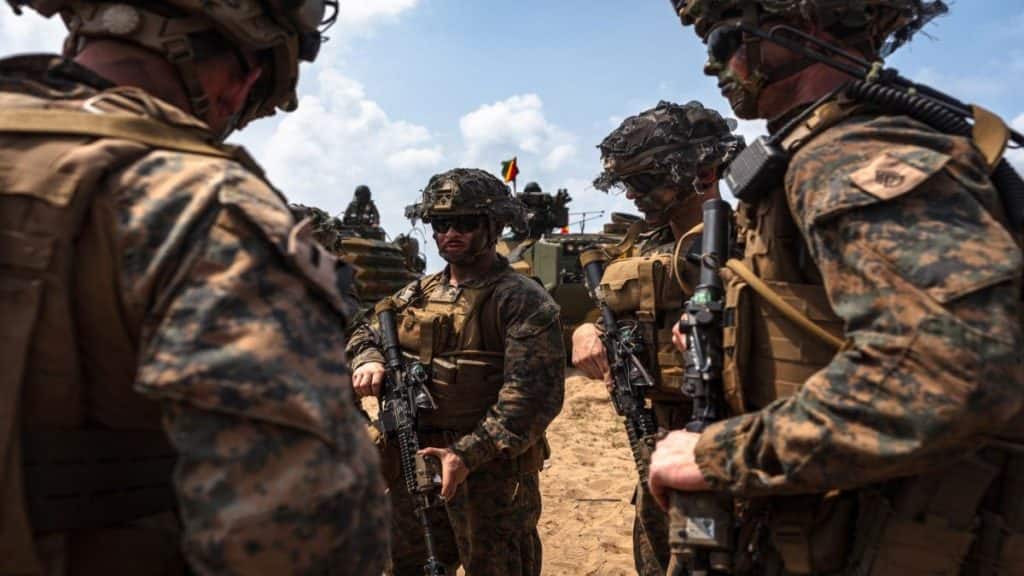
The Wall Street Journal has reported that the Pentagon is looking at sending up to 10,000 additional ground troops to West Asia. This comes after reports emerged that the US military is preparing to deploy at least 1,000 troops from the 82nd Airborne Division to West Asia in the coming days.
Some experts believe that Trump's 10-day extension in the deadline to Iran is a ruse to buy more time to deploy troops to West Asia. File image/AFP
Additionally, there are ample signals that a ground invasion is on the anvil. An
>> Invading and seizing Kharg Island, Iran’s economic lifeline.
>> Invading Larak, an island that helps Tehran maintain its vice-like grip control of the Strait of Hormuz.
>> Seizing the strategic island of Abu Musa and two nearby islands, which are located near Hormuz's western entrance.
>> Ground invasion deep inside Iran to secure nuclear material buried within facilities struck by the US and Israel.
And sensing that such a scenario may occur, Iran is preparing itself by putting in place layered defences. It has started laying anti-personnel and anti-armour mines around the island, as well as on the shoreline, where US troops could land, according to a
We wait anxiously to see the next move unfold in the war. Will it be peace or a further escalation?
With inputs from agencies