




What is the story about?
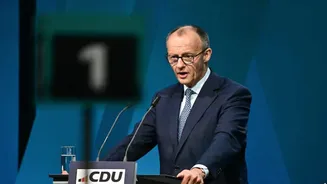
German Chancellor Friedrich Merz is making his first visit to India since taking office. Merz, who was sworn in as chancellor in May 2025, arrives on Monday (January 12).
The two-day visit is also Merz’s first trip to Asia since taking office. It follows an invitation from Prime Minister Narendra Modi and comes ahead of the India–EU Summit slated for January 27.
Modi and Merz last met on the sidelines of the G7 Summit in Canada, where the two leaders agreed to deepen the bilateral strategic partnership.
On Monday, Merz will meet Modi in Ahmedabad. The Indian Prime Minister is currently on a three-day visit to Gujarat that began on Saturday (January 10). Their meeting will take place a day after Modi inaugurates the Vibrant Gujarat Regional Summit in Rajkot on Sunday (January 11).
The two leaders will visit the Sabarmati Ashram in Gandhinagar around 9.30 am, followed by their participation in the International Kite Festival at the Sabarmati Riverfront at around 10 am.
From 11.15 am onwards, Modi and Merz will hold bilateral engagements in Gandhinagar. Discussions are expected to cover trade, technology, defence, investment, science, green development and strategic ties. The leaders will also take stock of the India–Germany Strategic Partnership, which recently completed 25 years, and meet business and industry leaders.
India and Germany are set to seal several pacts on semiconductors, critical minerals, a defence and security roadmap, and skill development, according to a report in T
he Indian Express.
India and Germany are likely to unveil a defence and security roadmap, which will also strengthen the defence manufacturing network base in India. There are plans to set up a skill development centre in Hyderabad, the report says.
Merz is accompanied by a 25-member delegation of CEOs, including the top executives of a leading submarine manufacturer, indicating that strong defence ties would be part of the agenda, the report says.
“The two leaders will take stock of the progress made in diverse aspects of the India–Germany Strategic Partnership, which completed 25 years last year. The discussions will also focus on further intensifying cooperation in trade and investment, technology, education, skilling and mobility, while also advancing collaboration in important domains of defence and security, science, innovation and research, green and sustainable development and people-to-people relations,” the Ministry of External Affairs said.
According to the Indian Express, Modi is also likely to inaugurate the Metro route between New Secretariat and Mahatma Mandir in Gandhinagar on Monday. Merz will then travel to Bengaluru on Tuesday (January 13).
According to The Print, Berlin has been keen for Merz to make the India visit since he took office last year. A piece on foreignpolicy.org noted that the trip marks a sharp departure from previous German governments.
“Under Olaf Scholz, Germany’s coalition politics often diluted strategic clarity. Merz’s conservative government, elected in May 2025, has indicated a sharper focus on security, trade and industrial competitiveness. His New Delhi visit reflects that shift — and India’s confidence that it can engage a more assertive Europe without narrowing its own options,” the article noted.
The visit also comes as India looks to deepen ties with European nations, including finalising a long-pending free trade agreement (FTA) with the European Union. Polish Deputy Prime Minister and Foreign Minister Radosław Sikorski is also expected to visit India.
As previously noted, the EU–India Summit 2026 — to be co-chaired by Modi and French President Emmanuel Macron — is scheduled to take place in New Delhi on January 26 and 27, alongside India’s Republic Day celebrations.
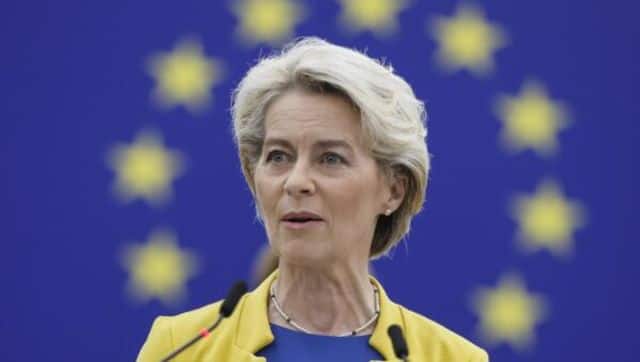
European Commission President Ursula von der Leyen and European Council President Antonio Costa are expected to be present in India for the celebrations and the summit. Von der Leyen had travelled to India in February 2025, when she and Modi agreed to conclude negotiations for the FTA within a year, according to
The Print.
According to policycircle.org, New Delhi is also signalling a broader intent to engage major global powers. Germany is India’s largest trading partner in the EU, with bilateral trade reaching $26 billion (Rs 2.35 trillion) in 2024.
German foreign direct investment in India exceeds $14 billion (Rs 1.26 trillion), spanning automobiles, engineering, chemicals and clean technology. More than 1,800 German companies currently operate in India, employing hundreds of thousands of Indians. The analysis noted that Germany could act as a bridge between India and the EU, with European diplomats increasingly referring to New Delhi as a “partner of choice”.
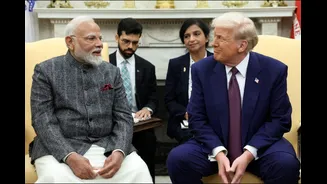
The visit also comes amid renewed trade tensions between India and the United States. New Delhi and Washington have been negotiating a bilateral trade deal for months without success — delays that have frustrated some in the White House, including President Donald Trump. India has maintained that it will not cross certain red lines, particularly on opening up its dairy and agricultural sectors.
Earlier this week, Trump approved a bill introduced by Republican Senator Lindsey Graham that would allow the US to impose sanctions of up to 500 per cent on countries that continue to purchase crude oil from Russia.
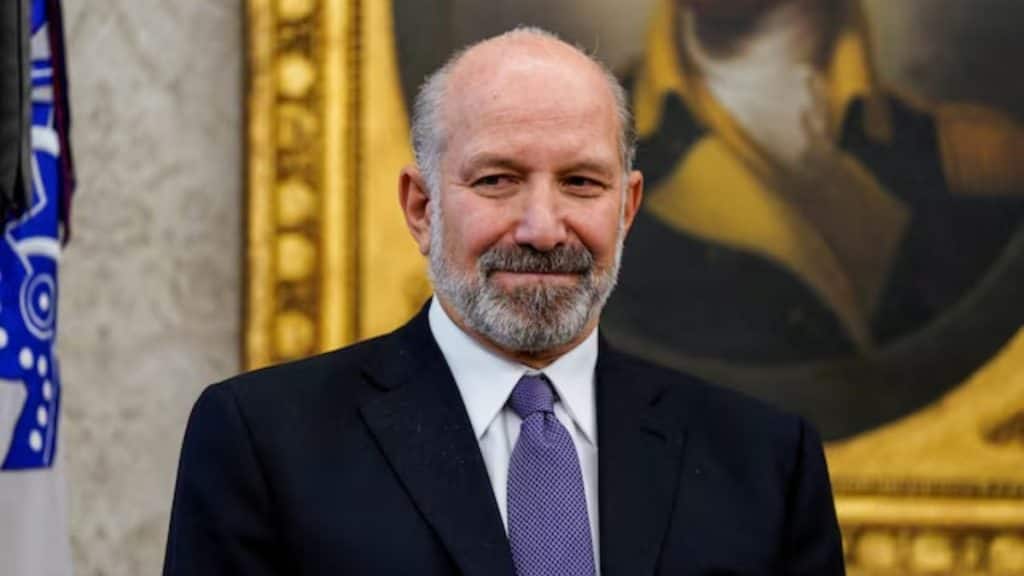
US Treasury Secretary Howard Lutnick has also suggested that President Trump must personally conclude any such deal, claiming it stalled because Modi did not make a phone call to Trump.
“Let’s be clear — it’s his deal. He’s the closer. He does the deal. It’s all set up and you have got to have Modi call the President. And they were uncomfortable doing it,” Lutnick said on the All-In podcast. “So, Modi didn’t call.”
India’s Ministry of External Affairs rejected that characterisation.
“We have seen the remarks. India and the US have been committed to negotiating a bilateral trade agreement since 13 February last year. Since then, multiple rounds of negotiations have been held to arrive at a balanced and mutually beneficial agreement. On several occasions, we have been close to a deal. The characterisation of these discussions in the reported remarks is not accurate,” the MEA said.
The ministry added that Prime Minister Modi and President Trump spoke by phone on eight occasions during 2025, covering a wide range of partnership issues.
Trump has also warned that the US could raise tariffs on India if New Delhi does not cooperate on Russian oil purchases. At the same time, he has struck a more conciliatory tone, describing Modi as “a very good man” and claiming to share a strong personal relationship with the Indian Prime Minister.
Speaking at a Republican retreat in Washington this week, Trump said tariffs could be raised “very quickly” if the US was dissatisfied with trade arrangements.
At the same event, Trump claimed that India had approached him over delays in the delivery of Apache attack helicopters, though Indian officials have not formally commented on those remarks. They have, however, noted that Modi does not use the honorific “Sir” when addressing other world leaders.
Trump has also previously claimed credit for the ceasefire between India and Pakistan following Operation Sindoor in May — a claim New Delhi has consistently rejected, maintaining that the ceasefire came after direct military-level communication between the two sides, without third-party involvement.
With inputs from agencies
The two-day visit is also Merz’s first trip to Asia since taking office. It follows an invitation from Prime Minister Narendra Modi and comes ahead of the India–EU Summit slated for January 27.
Modi and Merz last met on the sidelines of the G7 Summit in Canada, where the two leaders agreed to deepen the bilateral strategic partnership.
What we know
On Monday, Merz will meet Modi in Ahmedabad. The Indian Prime Minister is currently on a three-day visit to Gujarat that began on Saturday (January 10). Their meeting will take place a day after Modi inaugurates the Vibrant Gujarat Regional Summit in Rajkot on Sunday (January 11).
The two leaders will visit the Sabarmati Ashram in Gandhinagar around 9.30 am, followed by their participation in the International Kite Festival at the Sabarmati Riverfront at around 10 am.
From 11.15 am onwards, Modi and Merz will hold bilateral engagements in Gandhinagar. Discussions are expected to cover trade, technology, defence, investment, science, green development and strategic ties. The leaders will also take stock of the India–Germany Strategic Partnership, which recently completed 25 years, and meet business and industry leaders.
India and Germany are set to seal several pacts on semiconductors, critical minerals, a defence and security roadmap, and skill development, according to a report in T
India and Germany are likely to unveil a defence and security roadmap, which will also strengthen the defence manufacturing network base in India. There are plans to set up a skill development centre in Hyderabad, the report says.
Merz is accompanied by a 25-member delegation of CEOs, including the top executives of a leading submarine manufacturer, indicating that strong defence ties would be part of the agenda, the report says.
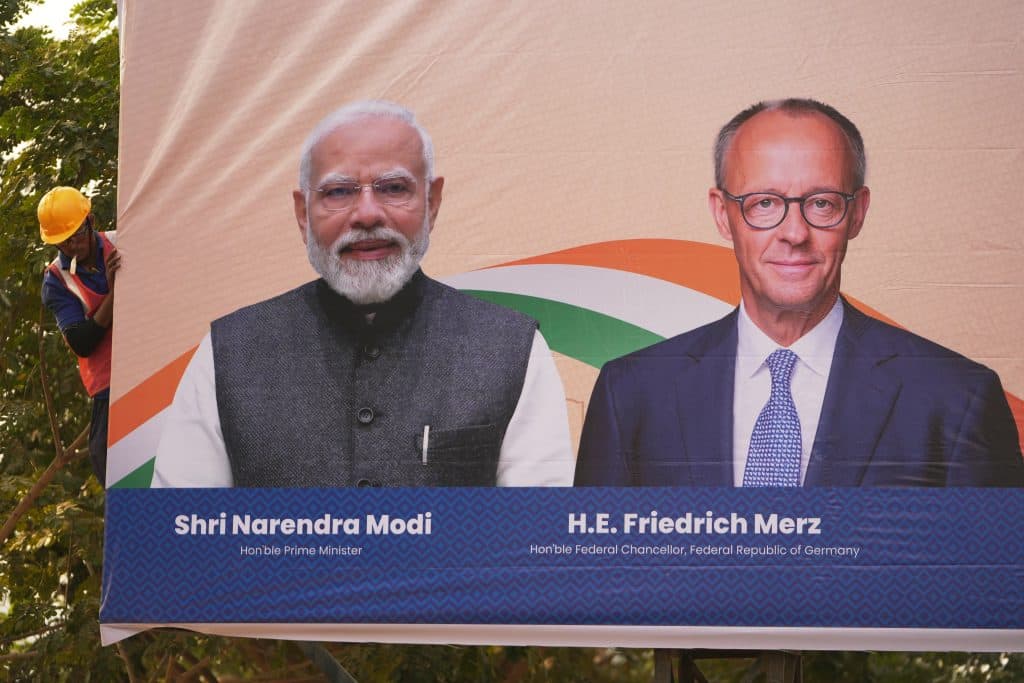
A worker installs a hoarding welcoming German Chancellor Friedrich Merz and Indian prime minister Narendra Modi ahead of their visit in Ahmedabad, India. AP
“The two leaders will take stock of the progress made in diverse aspects of the India–Germany Strategic Partnership, which completed 25 years last year. The discussions will also focus on further intensifying cooperation in trade and investment, technology, education, skilling and mobility, while also advancing collaboration in important domains of defence and security, science, innovation and research, green and sustainable development and people-to-people relations,” the Ministry of External Affairs said.
According to the Indian Express, Modi is also likely to inaugurate the Metro route between New Secretariat and Mahatma Mandir in Gandhinagar on Monday. Merz will then travel to Bengaluru on Tuesday (January 13).
Why it matters
According to The Print, Berlin has been keen for Merz to make the India visit since he took office last year. A piece on foreignpolicy.org noted that the trip marks a sharp departure from previous German governments.
“Under Olaf Scholz, Germany’s coalition politics often diluted strategic clarity. Merz’s conservative government, elected in May 2025, has indicated a sharper focus on security, trade and industrial competitiveness. His New Delhi visit reflects that shift — and India’s confidence that it can engage a more assertive Europe without narrowing its own options,” the article noted.
The visit also comes as India looks to deepen ties with European nations, including finalising a long-pending free trade agreement (FTA) with the European Union. Polish Deputy Prime Minister and Foreign Minister Radosław Sikorski is also expected to visit India.
As previously noted, the EU–India Summit 2026 — to be co-chaired by Modi and French President Emmanuel Macron — is scheduled to take place in New Delhi on January 26 and 27, alongside India’s Republic Day celebrations.
European Commission President Ursula von der Leyen and Prime Minister Narendra Modi agreed to conclude negotiations for the FTA within a year, according to The Print.. AP
European Commission President Ursula von der Leyen and European Council President Antonio Costa are expected to be present in India for the celebrations and the summit. Von der Leyen had travelled to India in February 2025, when she and Modi agreed to conclude negotiations for the FTA within a year, according to
According to policycircle.org, New Delhi is also signalling a broader intent to engage major global powers. Germany is India’s largest trading partner in the EU, with bilateral trade reaching $26 billion (Rs 2.35 trillion) in 2024.
German foreign direct investment in India exceeds $14 billion (Rs 1.26 trillion), spanning automobiles, engineering, chemicals and clean technology. More than 1,800 German companies currently operate in India, employing hundreds of thousands of Indians. The analysis noted that Germany could act as a bridge between India and the EU, with European diplomats increasingly referring to New Delhi as a “partner of choice”.
US trade pressure on India
The visit also comes amid renewed trade tensions between India and the United States. New Delhi and Washington have been negotiating a bilateral trade deal for months without success — delays that have frustrated some in the White House, including President Donald Trump. India has maintained that it will not cross certain red lines, particularly on opening up its dairy and agricultural sectors.
Earlier this week, Trump approved a bill introduced by Republican Senator Lindsey Graham that would allow the US to impose sanctions of up to 500 per cent on countries that continue to purchase crude oil from Russia.
US Treasury Secretary Howard Lutnick has also suggested that President Trump must personally conclude any such deal, claiming it stalled because Modi did not make a phone call to Trump.
“Let’s be clear — it’s his deal. He’s the closer. He does the deal. It’s all set up and you have got to have Modi call the President. And they were uncomfortable doing it,” Lutnick said on the All-In podcast. “So, Modi didn’t call.”
US Treasury Secretary Howard Lutnick also suggested that President Trump must personally conclude any trade deal with India. Reuters
India’s Ministry of External Affairs rejected that characterisation.
“We have seen the remarks. India and the US have been committed to negotiating a bilateral trade agreement since 13 February last year. Since then, multiple rounds of negotiations have been held to arrive at a balanced and mutually beneficial agreement. On several occasions, we have been close to a deal. The characterisation of these discussions in the reported remarks is not accurate,” the MEA said.
The ministry added that Prime Minister Modi and President Trump spoke by phone on eight occasions during 2025, covering a wide range of partnership issues.
Trump has also warned that the US could raise tariffs on India if New Delhi does not cooperate on Russian oil purchases. At the same time, he has struck a more conciliatory tone, describing Modi as “a very good man” and claiming to share a strong personal relationship with the Indian Prime Minister.
Speaking at a Republican retreat in Washington this week, Trump said tariffs could be raised “very quickly” if the US was dissatisfied with trade arrangements.
At the same event, Trump claimed that India had approached him over delays in the delivery of Apache attack helicopters, though Indian officials have not formally commented on those remarks. They have, however, noted that Modi does not use the honorific “Sir” when addressing other world leaders.
Trump has also previously claimed credit for the ceasefire between India and Pakistan following Operation Sindoor in May — a claim New Delhi has consistently rejected, maintaining that the ceasefire came after direct military-level communication between the two sides, without third-party involvement.
With inputs from agencies