





What is the story about?
As the tensions in West Asia continue to escalate, Iran on Thursday reportedly rejected a ceasefire proposed by the United States and delivered by Iraq. The New York Times reported that the Iraqi Prime Minister Ali al-Zaidi delivered the proposal, which was eventually rejected by Tehran.
Citing Iranian and Iraqi officials familiar with the matter, the newspaper said al-Zaidi carried the proposal during a visit to Tehran. The visit in question came right after the Iraqi premier met US President Donald Trump at the White House.
Citing Iranian and Iraqi officials, the NYT reported that this ceasefire deal is the only proposal currently offered. However, the details of the proposal currently remain unclear. As per the report, Tehran rejected the proposal since it did not resolve the issue of control over the Strait of Hormuz.
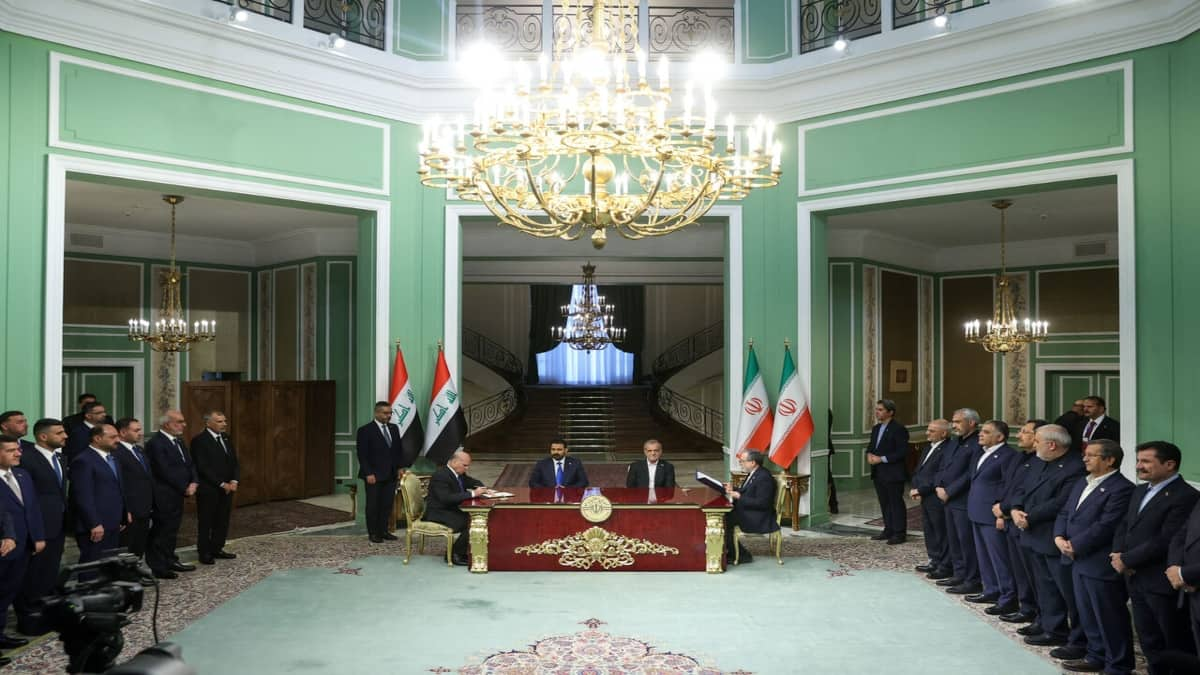
It is pertinent to note that the Iraqi Prime Minister's trip was his first official visit to Iran since taking office in May this year. He travelled with a high-level ministerial delegation and met with President Masoud Pezeshkian as the two sides discussed bilateral ties, regional developments and efforts to strengthen security and stability in the region.
Meanwhile, Iranian officials told the NYT that they also covered the implementation of previously signed agreements, with both governments calling for broader cooperation in trade, energy, transportation and regional affairs.
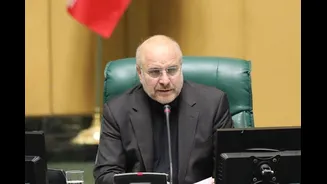
According to Iranian media, al-Zaidi also met with Iran’s chief negotiator and Parliament Speaker Mohammad Bagher Ghalibaf and Foreign Minister Abbas Araghchi. The report mentioned that the Iranian officials were preparing for the possibility of a wider conflict if Trump follows through on threats to strike Tehran and additional critical infrastructure.
Two Iranian officials, who asked to remain anonymous, told NYT that if such attacks continue, it would prompt Tehran to expand the war regionally, including by targeting Tel Aviv and asking Yemen’s Houthi group to close the Bab al-Mandab Strait.
On Wednesday, Iranian authorities reported the death toll from the ongoing US strikes at 53, with 592 others injured. It is pertinent to note that regional tensions between the United States and Iran have escalated over the past two weeks after Trump announced on July 8 that the ceasefire outlined in last month’s US-Iran memorandum of understanding was no longer in effect.
Citing Iranian and Iraqi officials familiar with the matter, the newspaper said al-Zaidi carried the proposal during a visit to Tehran. The visit in question came right after the Iraqi premier met US President Donald Trump at the White House.
Citing Iranian and Iraqi officials, the NYT reported that this ceasefire deal is the only proposal currently offered. However, the details of the proposal currently remain unclear. As per the report, Tehran rejected the proposal since it did not resolve the issue of control over the Strait of Hormuz.
Why it matters
It is pertinent to note that the Iraqi Prime Minister's trip was his first official visit to Iran since taking office in May this year. He travelled with a high-level ministerial delegation and met with President Masoud Pezeshkian as the two sides discussed bilateral ties, regional developments and efforts to strengthen security and stability in the region.
Meanwhile, Iranian officials told the NYT that they also covered the implementation of previously signed agreements, with both governments calling for broader cooperation in trade, energy, transportation and regional affairs.
According to Iranian media, al-Zaidi also met with Iran’s chief negotiator and Parliament Speaker Mohammad Bagher Ghalibaf and Foreign Minister Abbas Araghchi. The report mentioned that the Iranian officials were preparing for the possibility of a wider conflict if Trump follows through on threats to strike Tehran and additional critical infrastructure.
Two Iranian officials, who asked to remain anonymous, told NYT that if such attacks continue, it would prompt Tehran to expand the war regionally, including by targeting Tel Aviv and asking Yemen’s Houthi group to close the Bab al-Mandab Strait.
On Wednesday, Iranian authorities reported the death toll from the ongoing US strikes at 53, with 592 others injured. It is pertinent to note that regional tensions between the United States and Iran have escalated over the past two weeks after Trump announced on July 8 that the ceasefire outlined in last month’s US-Iran memorandum of understanding was no longer in effect.