






What is the story about?
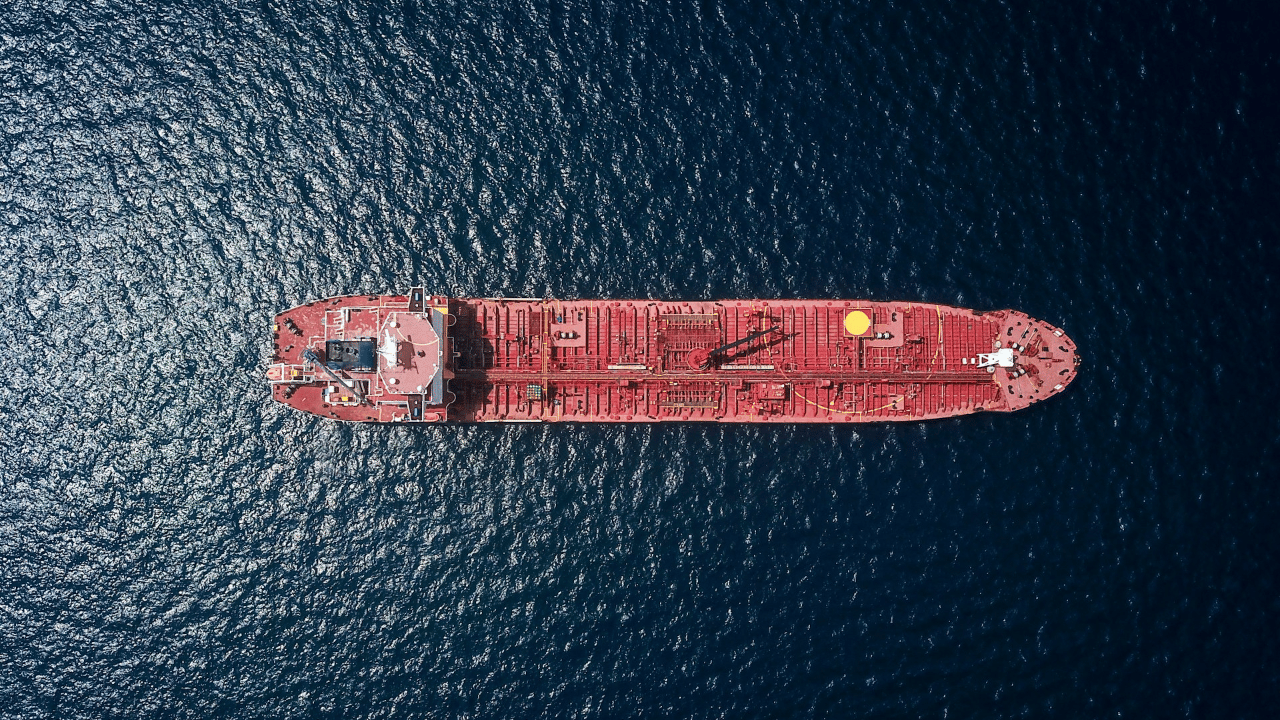
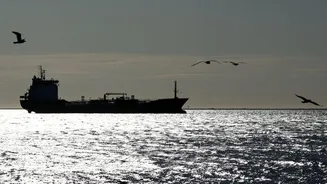
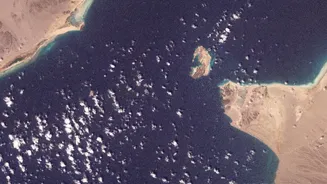
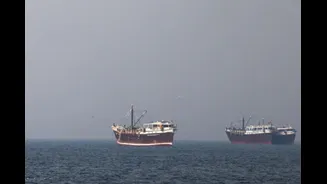
As the Strait of Hormuz continues to be a flashpoint in the US-Iran war, the waterway has been witnessing more ships passing through it, the highest level in weeks.
According to MarineTraffic data, 21 vessels passed through the waterway over the weekend, 10 on Saturday and 11 on Sunday. This two-day figure represents the highest traffic level since early March, when activity in the strait began to decline amid rising regional tensions.
Data from MarineTraffic and Kpler further indicated that nearly half of Sunday’s transits involved sanctioned vessels, suggesting a shift in the makeup of traffic alongside the overall increase in volumes.
Countries are quietly negotiating with Iran for safe passage through the chokepoint.
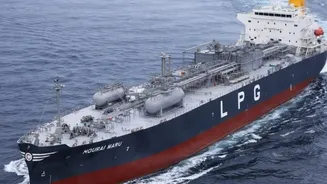
Tankers linked to India, Iraq, France, China and Japan have successfully transited the Strait.
At least eight Indian vessels have so far navigated the Strait of Hormuz. India has emerged among the countries with the highest number of ships transiting the conflict-hit route, helping maintain energy supplies.
Meanwhile, US President Donald Trump has threatened to “take out” Iran by Tuesday night if Tehran does not accept the ceasefire proposal and reopen the Strait by midnight.
Iran must make a deal that involves the “free traffic of oil” through the critical Strait of Hormuz or else there will be “complete demolition… and it’ll happen over a period of four hours,” he said.
“Every bridge in Iran will be decimated by 12 o’clock tomorrow night, where every power plant in Iran will be out of business, burning, exploding and never to be used again,” he said.
Passage depends on informal, country-by-country understandings with Tehran. No indication that Iran has formally lifted restrictions on the strait.
The UN Security Council is set to vote on a resolution to protect the Strait of Hormuz on Tuesday after at least two postponements last week.
According to a report by
AFP, the Bahraini resolution has been amended after the initial draft received potential vetoes.
Transit remains vulnerable to sudden disruption or political signalling.
According to MarineTraffic data, 21 vessels passed through the waterway over the weekend, 10 on Saturday and 11 on Sunday. This two-day figure represents the highest traffic level since early March, when activity in the strait began to decline amid rising regional tensions.
Data from MarineTraffic and Kpler further indicated that nearly half of Sunday’s transits involved sanctioned vessels, suggesting a shift in the makeup of traffic alongside the overall increase in volumes.
Countries quietly negotiate with Iran
Countries are quietly negotiating with Iran for safe passage through the chokepoint.
At least eight Indian vessels have so far navigated the Strait of Hormuz. India has emerged among the countries with the highest number of ships transiting the conflict-hit route, helping maintain energy supplies.
Meanwhile, US President Donald Trump has threatened to “take out” Iran by Tuesday night if Tehran does not accept the ceasefire proposal and reopen the Strait by midnight.
Iran must make a deal that involves the “free traffic of oil” through the critical Strait of Hormuz or else there will be “complete demolition… and it’ll happen over a period of four hours,” he said.
“Every bridge in Iran will be decimated by 12 o’clock tomorrow night, where every power plant in Iran will be out of business, burning, exploding and never to be used again,” he said.
A fragile reopening
Passage depends on informal, country-by-country understandings with Tehran. No indication that Iran has formally lifted restrictions on the strait.
The UN Security Council is set to vote on a resolution to protect the Strait of Hormuz on Tuesday after at least two postponements last week.
According to a report by
Transit remains vulnerable to sudden disruption or political signalling.