








What is the story about?
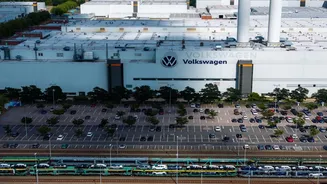
Volkswagen is in advanced discussions with JSW Group for a potential investment in its Indian operations, Bloomberg News reported, as the German automaker seeks a local partner to provide fresh capital and help expand its presence in the world’s third-largest auto market.
The two companies are working towards a possible agreement in the coming weeks under which JSW Group would invest in closely held Skoda Auto Volkswagen India, the report said.
The Sajjan Jindal-led conglomerate is seeking a majority stake in the Indian joint venture, the report said.
However, the deal is yet to be finalised. Several issues, including the valuation of the business and the amount of capital that JSW and Volkswagen would each invest, remain unresolved. The discussions could still fall apart, the people said.
Volkswagen said it is “constantly evaluating new business opportunities and various business options” to implement its strategy in India. The company added that India is an important market for Skoda Auto’s global growth plans, while declining to comment on discussions with JSW.
A JSW Group spokesperson did not immediately respond to a request for comment.
A deal with JSW could mark the culmination of Volkswagen’s years-long search for a local Indian partner.
The German automaker has operated in India for more than two decades but has struggled to build the scale needed to compete with market leaders such as Maruti Suzuki India, Hyundai Motor India, Mahindra & Mahindra and Tata Motors Passenger Vehicles.
Volkswagen has attempted to strengthen its position with products designed specifically for the Indian market, including the Skoda Kylaq compact SUV. Yet the group’s overall presence remains relatively small.
Volkswagen’s brands, including Skoda, Volkswagen and Audi, account for around 2.5 per cent of India’s passenger vehicle market, below the group’s target of reaching a 5 per cent market share by the end of the decade, according to a local media report, as reported by Bloomberg News.
For Volkswagen, bringing JSW on board could provide fresh capital and a local partner to share the financial burden of expanding in India.
The deal could also give JSW access to Volkswagen’s vehicle platforms and technology, while creating the potential for broader cooperation with one of Europe’s biggest automakers.
JSW and Volkswagen began discussions around three years ago. Earlier talks had focused on the possibility of JSW using Volkswagen’s manufacturing facilities in Pune and Chhatrapati Sambhajinagar in Maharashtra.
The latest negotiations, however, still face several hurdles and may yet be abandoned, the report said.
Volkswagen has become increasingly open to giving up control of its India operations as it seeks to reduce the amount of capital it has to invest in the country, the report said.
Although the Indian unit reported a rise in profit for the year ended March 31, the European parent is increasingly wary of funding the business without a local partner to share the financial burden.
Volkswagen has also reduced its planned investment in a new electric vehicle platform for India.
The automaker cut the planned investment to around $700 million from $1 billion, Bloomberg News reported in November.
The move comes as Volkswagen attempts to reduce costs across its global operations. The company is facing pressure to improve profitability and is implementing a broad cost-cutting programme across its business.
A potential partnership with JSW would therefore fit into Volkswagen’s wider strategy of limiting capital expenditure while seeking new avenues for growth.
For JSW Group, a majority stake in Volkswagen’s India unit would significantly expand its presence in the passenger vehicle market.
The conglomerate already has a joint venture with China’s SAIC Motor Corp, which sells MG-branded vehicles in India. JSW also has plans to launch vehicles under its own brand.
A partnership with Volkswagen could provide JSW with access to established vehicle platforms and technology, giving the conglomerate a potential advantage as it builds its automotive business.
The company’s auto ambitions have grown beyond its traditional steel operations in recent years, with the group seeking opportunities across electric vehicles and other parts of the mobility ecosystem.
Volkswagen had earlier held discussions with Mahindra & Mahindra over a potential partnership. Those talks ultimately collapsed over differences related to development costs and corporate culture, according to earlier reports.
The potential transaction highlights the growing importance of local partnerships in India’s highly competitive passenger vehicle market.
Foreign automakers have struggled to gain significant market share in the country, where consumers remain highly price-sensitive and domestic players such as Maruti Suzuki, Mahindra and Tata Motors have built strong positions.
For Volkswagen, a partnership with JSW could bring additional capital, local business expertise and a potential route to scale.
For JSW, the deal could offer access to Volkswagen’s global technology and vehicle platforms as it seeks to build a bigger presence in India’s rapidly evolving auto market.
If finalised, the transaction would represent a major reset of Volkswagen’s India strategy and could significantly reshape the competitive landscape of the country’s passenger vehicle industry.
With inputs from agencies.
The two companies are working towards a possible agreement in the coming weeks under which JSW Group would invest in closely held Skoda Auto Volkswagen India, the report said.
The Sajjan Jindal-led conglomerate is seeking a majority stake in the Indian joint venture, the report said.
However, the deal is yet to be finalised. Several issues, including the valuation of the business and the amount of capital that JSW and Volkswagen would each invest, remain unresolved. The discussions could still fall apart, the people said.
Volkswagen said it is “constantly evaluating new business opportunities and various business options” to implement its strategy in India. The company added that India is an important market for Skoda Auto’s global growth plans, while declining to comment on discussions with JSW.
A JSW Group spokesperson did not immediately respond to a request for comment.
Volkswagen’s long search for an India partner
A deal with JSW could mark the culmination of Volkswagen’s years-long search for a local Indian partner.
The German automaker has operated in India for more than two decades but has struggled to build the scale needed to compete with market leaders such as Maruti Suzuki India, Hyundai Motor India, Mahindra & Mahindra and Tata Motors Passenger Vehicles.
Volkswagen has attempted to strengthen its position with products designed specifically for the Indian market, including the Skoda Kylaq compact SUV. Yet the group’s overall presence remains relatively small.
Volkswagen’s brands, including Skoda, Volkswagen and Audi, account for around 2.5 per cent of India’s passenger vehicle market, below the group’s target of reaching a 5 per cent market share by the end of the decade, according to a local media report, as reported by Bloomberg News.
For Volkswagen, bringing JSW on board could provide fresh capital and a local partner to share the financial burden of expanding in India.
The deal could also give JSW access to Volkswagen’s vehicle platforms and technology, while creating the potential for broader cooperation with one of Europe’s biggest automakers.
Talks began three years ago
JSW and Volkswagen began discussions around three years ago. Earlier talks had focused on the possibility of JSW using Volkswagen’s manufacturing facilities in Pune and Chhatrapati Sambhajinagar in Maharashtra.
The latest negotiations, however, still face several hurdles and may yet be abandoned, the report said.
Volkswagen has become increasingly open to giving up control of its India operations as it seeks to reduce the amount of capital it has to invest in the country, the report said.
Although the Indian unit reported a rise in profit for the year ended March 31, the European parent is increasingly wary of funding the business without a local partner to share the financial burden.
India EV investment reduced
Volkswagen has also reduced its planned investment in a new electric vehicle platform for India.
The automaker cut the planned investment to around $700 million from $1 billion, Bloomberg News reported in November.
The move comes as Volkswagen attempts to reduce costs across its global operations. The company is facing pressure to improve profitability and is implementing a broad cost-cutting programme across its business.
A potential partnership with JSW would therefore fit into Volkswagen’s wider strategy of limiting capital expenditure while seeking new avenues for growth.
JSW expands auto ambitions
For JSW Group, a majority stake in Volkswagen’s India unit would significantly expand its presence in the passenger vehicle market.
The conglomerate already has a joint venture with China’s SAIC Motor Corp, which sells MG-branded vehicles in India. JSW also has plans to launch vehicles under its own brand.
A partnership with Volkswagen could provide JSW with access to established vehicle platforms and technology, giving the conglomerate a potential advantage as it builds its automotive business.
The company’s auto ambitions have grown beyond its traditional steel operations in recent years, with the group seeking opportunities across electric vehicles and other parts of the mobility ecosystem.
Volkswagen had earlier held discussions with Mahindra & Mahindra over a potential partnership. Those talks ultimately collapsed over differences related to development costs and corporate culture, according to earlier reports.
Why the deal matters
The potential transaction highlights the growing importance of local partnerships in India’s highly competitive passenger vehicle market.
Foreign automakers have struggled to gain significant market share in the country, where consumers remain highly price-sensitive and domestic players such as Maruti Suzuki, Mahindra and Tata Motors have built strong positions.
For Volkswagen, a partnership with JSW could bring additional capital, local business expertise and a potential route to scale.
For JSW, the deal could offer access to Volkswagen’s global technology and vehicle platforms as it seeks to build a bigger presence in India’s rapidly evolving auto market.
If finalised, the transaction would represent a major reset of Volkswagen’s India strategy and could significantly reshape the competitive landscape of the country’s passenger vehicle industry.
With inputs from agencies.