








What is the story about?
Iranian Foreign Minister Seyed Abbas Araghchi on Thursday mocked the Donald Trump administration's request for $200 billion for Operation Epic Fury, saying that it was merely the beginning of the 'Israel First Tax' that Americans would pay for Prime Minister Benjamin Netanyahu's war.
Araghchi said that Netanyahu and President Donald Trump had launched the war on Americans as well and $200 billion was only the "tip of the iceberg" that American taxpayers would pay for the war.
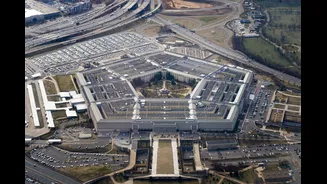
The statement came after The Washington Post reported that the Department of Defense has requested the White House to approve a request to the Congress to grant more than $200 billion to fund the war on Iran. Estimates have said that the war has so far cost the taxpayers $30 billion.
The mounting cost of the war along with rising energy prices have led to bipartisan criticism of the war.
In the United States, gas prices have surged to their second-highest point in 30 years since Trump launched the war. The four-week increase in gas prices is larger than the crisis created by the Russian full-scale invasion of Ukraine in 2022, the recession in 2008, and the Opec production cuts in 1999.
Similarly, oil prices at pumps have risen from pre-war $2.9 per gallon to $3.8.
Energy prices and mounting costs worsen an economy that is already in a crisis: American economic growth has stalled, with last quarterly growth falling to 0.7 per cent from an estimated 1.4 per cent; unemployment rising to its highest point since 2002, and manufacturing sector losing 78,000 jobs since Trump assumed office in his second term.
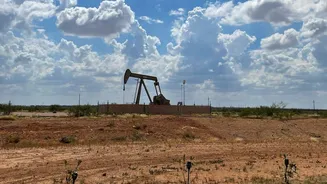
But the war's cost is being borne by the rest of the world as well. Iranian retaliatory attacks have led to oil and gas production cuts across West Asia. Iran has also closed the Strait of Hormuz. As 20-25 per cent of the world's oil and gas transits through it, the closure and production cuts have led to oil prices skyrocketing.
From the pre-war $72.48 a barrel, Brent crude oil futures surged to a high of $119.50 earlier this month. While prices fell from that high point, oil continues to remain above the $100-mark and closed at $107 on Wednesday.
Araghchi said that Netanyahu and President Donald Trump had launched the war on Americans as well and $200 billion was only the "tip of the iceberg" that American taxpayers would pay for the war.
The statement came after The Washington Post reported that the Department of Defense has requested the White House to approve a request to the Congress to grant more than $200 billion to fund the war on Iran. Estimates have said that the war has so far cost the taxpayers $30 billion.
We're only three weeks into this war of choice, imposed on both Iranians and Americans.
This $200b is the tip of the iceberg. Ordinary Americans can thank Benjamin Netanyahu and his lackeys in Congress for the trillion-dollar "Israel First tax" that's about to hit U.S. economy. pic.twitter.com/a2dsMQh3fK
— Seyed Abbas Araghchi (@araghchi) March 19, 2026
The mounting cost of the war along with rising energy prices have led to bipartisan criticism of the war.
In the United States, gas prices have surged to their second-highest point in 30 years since Trump launched the war. The four-week increase in gas prices is larger than the crisis created by the Russian full-scale invasion of Ukraine in 2022, the recession in 2008, and the Opec production cuts in 1999.
Similarly, oil prices at pumps have risen from pre-war $2.9 per gallon to $3.8.
Energy prices and mounting costs worsen an economy that is already in a crisis: American economic growth has stalled, with last quarterly growth falling to 0.7 per cent from an estimated 1.4 per cent; unemployment rising to its highest point since 2002, and manufacturing sector losing 78,000 jobs since Trump assumed office in his second term.
But the war's cost is being borne by the rest of the world as well. Iranian retaliatory attacks have led to oil and gas production cuts across West Asia. Iran has also closed the Strait of Hormuz. As 20-25 per cent of the world's oil and gas transits through it, the closure and production cuts have led to oil prices skyrocketing.
From the pre-war $72.48 a barrel, Brent crude oil futures surged to a high of $119.50 earlier this month. While prices fell from that high point, oil continues to remain above the $100-mark and closed at $107 on Wednesday.