
Merchandise exports rose 1.8 per cent year-on-year to $38.51 billion, up from $38.13 billion in November, signalling resilience despite geopolitical tensions and higher trade barriers in key markets. Imports, however, jumped 8.7 per cent to $63.55 billion, pushing the trade gap wider from $24.53 billion in the previous month.
Economists polled by Reuters had expected the deficit to widen further to $27 billion. Commerce Secretary Rajesh Agrawal said exports remained in positive territory, adding that India’s combined goods and services exports are expected to cross $850 billion in FY26.
Government estimates showed services exports at $35.50 billion in December, while services imports were pegged at $17.38 billion, translating into a services trade surplus of $18.12 billion, which helped cushion the widening merchandise deficit.
During April–December 2025, merchandise exports grew 2.44 per cent to $330.29 billion, driven by stronger shipments of electronics, pharmaceuticals, marine products, and select engineering goods.
Exports to the United States stood at $6.89 billion in December, marginally lower than $7 billion a year ago, amid higher tariffs imposed on some Indian goods by the US administration.
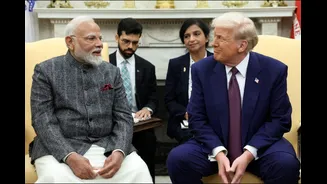
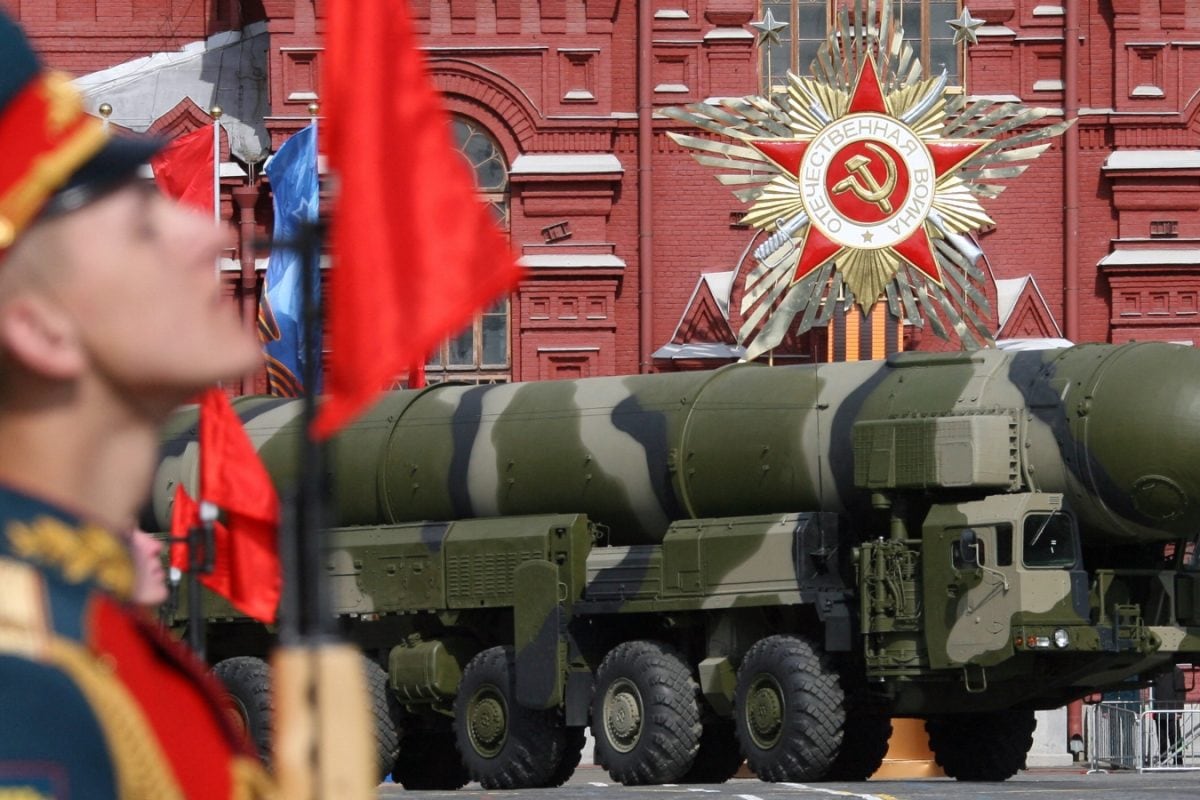
India has been stepping up efforts to diversify export markets towards China, Russia, and the Middle East, backed by incentives and ongoing trade pact negotiations, including with the European Union. New Delhi and Washington are also in discussions to revive a bilateral trade agreement after talks collapsed last year.
Analysts say while export growth remains steady, the faster pace of imports reflects strong domestic demand and elevated global commodity prices, which could keep pressure on India’s trade balance in the near term.