






What is the story about?
After US strikes on Iranian military targets, Iran on Wednesday said it had targeted US military facilities in Kuwait and Bahrain.
The tit-for-tat strikes come after three ships came under attack in the Strait of Hormuz, casting doubt on the US-Iran ceasefire. This is at least the second time since the signing of the memorandum of understanding (MoU) that the United States and Iran have exchanged fire.
The Islamic Revolutionary Guards Corps (IRGC) said it had targeted more than 85 US military facilities.
“In an initial response to this aggression, the IRGC Navy and Aerospace Force carried out a joint missile and drone operation, striking 85 key US military facilities” in the two countries, while also shooting down an MQ-9 drone, the IRGC said, according to state media.
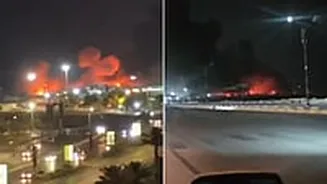
Sirens blared in both Kuwait and Bahrain amid the Iranian attack, with neither country immediately reporting any casualties. The Kuwaiti Army and Bahrain’s interior ministry confirmed that they were under attack.
While the Kuwaiti Army said that the country’s air defences were currently confronting hostile missile and drone attacks, Bahrain’s interior ministry said the siren had been sounded and urged people “to remain calm and head to the nearest safe place”.
Following the attacks on the ships, the United States also revoked the authorisation for the sale of Iranian oil.
Iran dubbed the attack a rightful response to major violations of the MoU by the United States.
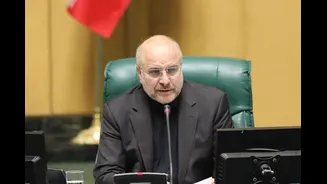
In a post on X, Iranian principal negotiator Mohammad Bagher Ghalibaf said that the United States had violated the MoU by denying Iranian adjustments to the Strait of Hormuz, threatening further strikes, reinstating oil sanctions, and allowing continued Israeli attacks on Lebanon and American attacks in southern Iran.
“The era of bullying and extortion is over. It leads nowhere. We don’t fold,” said Ghalibaf.
The Iranian attacks came after the United States struck Iranian targets in Bandar Abbas, Qeshm, and Sirik in the southern province of Hormozgan, along the southern coast near the Strait. The province is central to Iran’s hold over the Strait, as it hosts key military sites.
Whether these attacks will have any lasting consequences for negotiations to formally end the war remains to be seen.
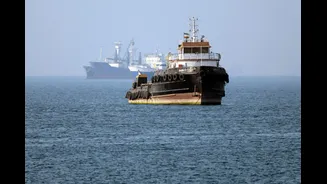
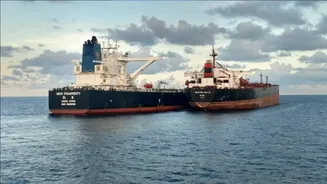
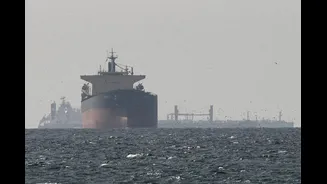
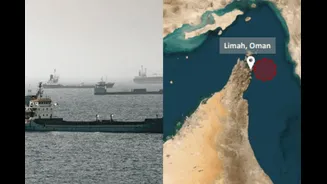
The United States accused Iran of attacks on three commercial ships, which included Marshall Islands-flagged M/T Al Rekayyat, Saudi Arabia-flagged M/T Wedyan, and Liberian-flagged M/T Cyprus Prosperity. All of these ships were sailing in the Strait outside of the designated route. Iran has previously stated that the right to safe passage through the Strait only applies to ships sailing in the designated route. It has struck ships sailing outside of the route earlier as well.
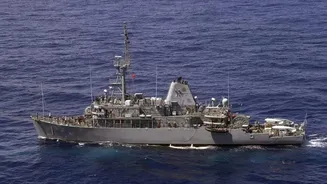
“US forces struck Iranian air defense systems, command and control networks, coastal radar sites, anti-ship missile capabilities, and more than 60 Islamic Revolutionary Guard Corps small boats in and near the strait to degrade Iran’s ability to continue attacking international commerce flowing through the international trade corridor,” US Central Command said.
The tit-for-tat strikes come after three ships came under attack in the Strait of Hormuz, casting doubt on the US-Iran ceasefire. This is at least the second time since the signing of the memorandum of understanding (MoU) that the United States and Iran have exchanged fire.
The Islamic Revolutionary Guards Corps (IRGC) said it had targeted more than 85 US military facilities.
“In an initial response to this aggression, the IRGC Navy and Aerospace Force carried out a joint missile and drone operation, striking 85 key US military facilities” in the two countries, while also shooting down an MQ-9 drone, the IRGC said, according to state media.
Sirens blared in both Kuwait and Bahrain amid the Iranian attack, with neither country immediately reporting any casualties. The Kuwaiti Army and Bahrain’s interior ministry confirmed that they were under attack.
While the Kuwaiti Army said that the country’s air defences were currently confronting hostile missile and drone attacks, Bahrain’s interior ministry said the siren had been sounded and urged people “to remain calm and head to the nearest safe place”.
Following the attacks on the ships, the United States also revoked the authorisation for the sale of Iranian oil.
'Major violations by US'
Iran dubbed the attack a rightful response to major violations of the MoU by the United States.
In a post on X, Iranian principal negotiator Mohammad Bagher Ghalibaf said that the United States had violated the MoU by denying Iranian adjustments to the Strait of Hormuz, threatening further strikes, reinstating oil sanctions, and allowing continued Israeli attacks on Lebanon and American attacks in southern Iran.
“The era of bullying and extortion is over. It leads nowhere. We don’t fold,” said Ghalibaf.
The Iranian attacks came after the United States struck Iranian targets in Bandar Abbas, Qeshm, and Sirik in the southern province of Hormozgan, along the southern coast near the Strait. The province is central to Iran’s hold over the Strait, as it hosts key military sites.
Whether these attacks will have any lasting consequences for negotiations to formally end the war remains to be seen.
The United States accused Iran of attacks on three commercial ships, which included Marshall Islands-flagged M/T Al Rekayyat, Saudi Arabia-flagged M/T Wedyan, and Liberian-flagged M/T Cyprus Prosperity. All of these ships were sailing in the Strait outside of the designated route. Iran has previously stated that the right to safe passage through the Strait only applies to ships sailing in the designated route. It has struck ships sailing outside of the route earlier as well.
“US forces struck Iranian air defense systems, command and control networks, coastal radar sites, anti-ship missile capabilities, and more than 60 Islamic Revolutionary Guard Corps small boats in and near the strait to degrade Iran’s ability to continue attacking international commerce flowing through the international trade corridor,” US Central Command said.