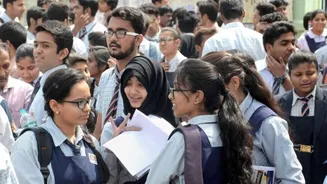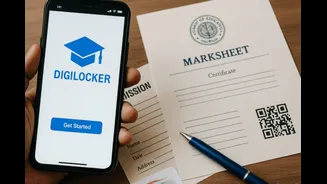






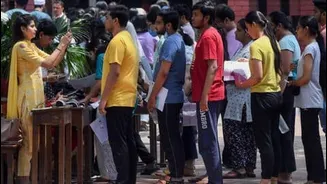
Following intense student anxiety and a missed June 1 deadline, the Central Board of Secondary Education (CBSE) has officially relaunched its Class 12 marks verification and re-evaluation portal.
The board announced the system recovery directly via its official X handle on Tuesday morning.
Dearest Students,
The verification and re-evaluation portal is now LIVE !
Please watch the video carefully for step-by-step instructions on how to apply for Verification of Marks and re-evaluation.
Portal Link: https://t.co/ILQvluZJ7W@EduMinOfIndia @PTI_News @PIB_India… pic.twitter.com/Ydc2wmGEol
— CBSE HQ (@cbseindia29) June 1, 2026
The digital platform had suffered a temporary shutdown over the weekend following server crashes caused by a sudden surge in traffic. For tens of thousands of students dissatisfied with their recent Class 12 board results, the relaunch brings immense relief, though the window to apply remains highly restricted and time-sensitive.
To help students navigate the system without further technical delays, here is the official step-by-step breakdown of how the board’s multi-tiered grievance process works.
The official CBSE re-evaluation process
Students must follow these four phases strictly in order. The board has clarified that skipping a phase or missing a deadline automatically forfeits a student's right to advance to the next level of appeal.
Critical risks and guidelines
Board officials have urged students to watch the instructional video posted to their social media handles carefully before submitting payments, as all fees are strictly non-refundable.
Furthermore, students are reminded that this process carries inherent risks. If your score decreases during re-evaluation, the lower score becomes your official final mark. Your previous marksheet will be rendered legally void, and you will be required to surrender the physical document back to the CBSE headquarters before receiving your updated credentials.
Why the controversy erupted in the first place
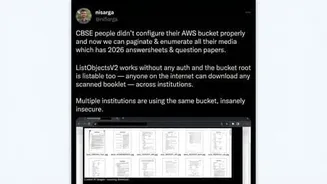
The sudden disruption of the portal follows weeks of growing friction between students, parents, and the central board over the first-time implementation of the On-Screen Marking System (OSM)—a digital framework used to scan and grade nearly 98 lakh answer booklets this year.
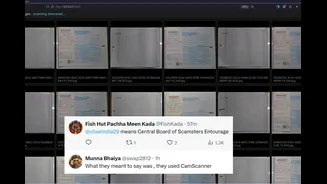
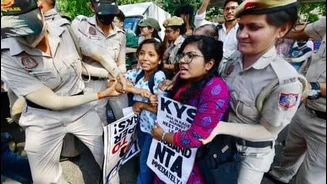
When the initial results were released, hundreds of thousands of applicants alleged widespread discrepancies, claiming that the digital system generated blurred scanned scripts, blank pages, and entirely overlooked answer sheets.
The crisis escalated dramatically when the board's third-party payment gateway suffered a cybersecurity breach, causing a malicious glitch that displayed random, absurd fee requirements ranging from Rs1 to nearly Rs 68,000 for just 50 students.
As public outcry mounted and political figures demanded accountability, Union Education Minister Dharmendra Pradhan publicly took responsibility for the technological oversight, bringing in cybersecurity experts from IIT Madras and IIT Kanpur to fortify the digital infrastructure before authorizing Tuesday's relaunch.