




What is the story about?
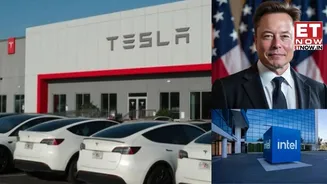
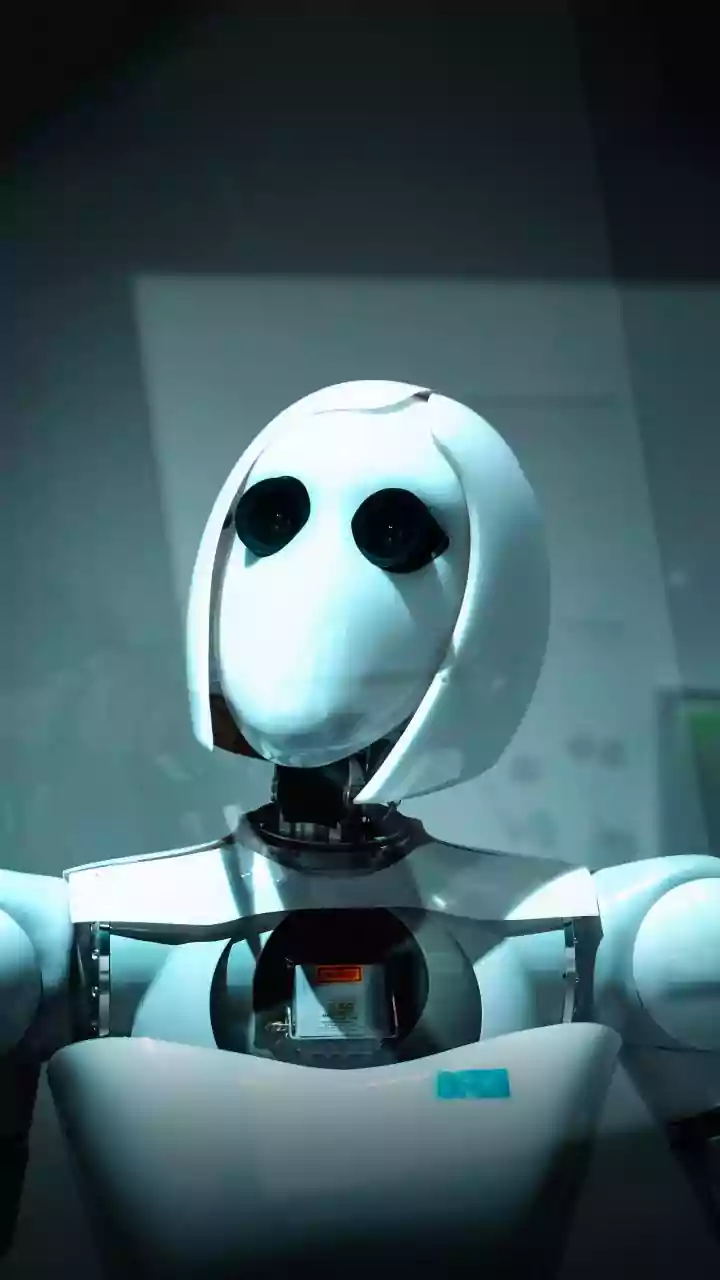
As the global race to build smarter, more capable robots intensifies, Tesla is choosing caution over spectacle. While rivals, particularly in China, are showcasing increasingly advanced humanoids that can compete in sports and public demonstrations, Elon Musk says Tesla is deliberately keeping its next-generation robot under wraps.
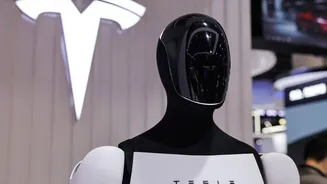
Speaking during Tesla’s latest earnings call, Musk revealed that the company is hesitant to publicly demonstrate the upcoming Optimus V3, despite growing anticipation around what he has previously called Tesla’s “biggest product ever”.
Musk’s reasoning is straightforward: competition is watching closely, and learning fast.
"We're also a little hesitant to show V3 off because we find our competitors do a frame-by-frame analysis whenever we release something and copy everything they possibly can," Musk said. "So I think there's some value to not showing new technology until it's close to production," reports Business Insider.
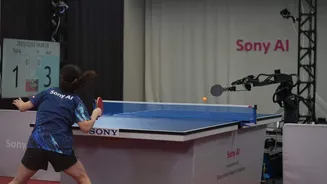
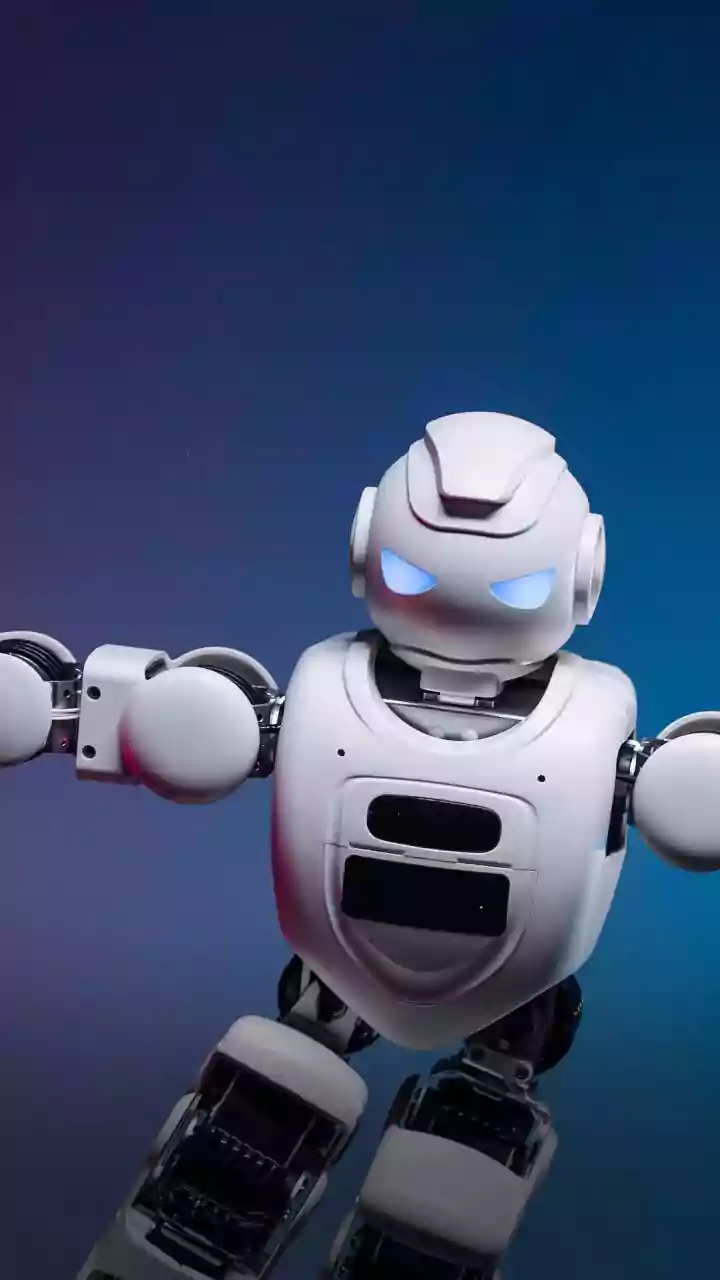
The cautious stance comes at a time when robotics breakthroughs are increasingly being shared publicly. Recent demonstrations, particularly from China, have shown robots capable of beating humans in table tennis matches and even outperforming them in long-distance races. These milestones have fuelled both excitement and concern about how quickly the technology is advancing.
Against that backdrop, Tesla appears to be prioritising competitive advantage over early visibility, holding back key innovations until they are closer to market readiness.
Behind the scenes, however, Tesla is moving aggressively. Musk confirmed that production of the Optimus robot is expected to begin at the company’s Fremont facility as early as late July or August. This will require significant retooling of existing manufacturing lines, including those used for the Model S and Model X.
The company is also planning a second production line at its Gigafactory in Texas, which is expected to come online around 2027. According to Tesla’s projections, the Fremont facility could eventually produce up to one million robots annually, while the Texas plant could scale to as many as 10 million units per year in the long term.
Optimus is expected to begin with relatively simple tasks, particularly within factory environments. Musk said the robot will be designed to handle repetitive work, with a strong emphasis on local intelligence, allowing it to operate without constant internet connectivity.
Still, human direction will remain essential. Musk compared the robot’s operation to a workplace dynamic, where oversight is provided at a higher level rather than continuous instruction.
"Grok would probably have about as much interaction with Optimus as a manager would have with the people on their team," he said, as reported by the Business Insider. "Meaning Optimus could probably work for several hours without any management oversight."
The “orchestration AI” guiding these interactions will come from Grok, the chatbot developed by Musk’s AI venture xAI, although its role may be limited to periodic guidance rather than direct control.
As robotics development accelerates globally, Tesla’s strategy reflects a different kind of race, one not just about innovation, but about timing, secrecy and scale.
Speaking during Tesla’s latest earnings call, Musk revealed that the company is hesitant to publicly demonstrate the upcoming Optimus V3, despite growing anticipation around what he has previously called Tesla’s “biggest product ever”.
Secrecy over spectacle
Musk’s reasoning is straightforward: competition is watching closely, and learning fast.
"We're also a little hesitant to show V3 off because we find our competitors do a frame-by-frame analysis whenever we release something and copy everything they possibly can," Musk said. "So I think there's some value to not showing new technology until it's close to production," reports Business Insider.
The cautious stance comes at a time when robotics breakthroughs are increasingly being shared publicly. Recent demonstrations, particularly from China, have shown robots capable of beating humans in table tennis matches and even outperforming them in long-distance races. These milestones have fuelled both excitement and concern about how quickly the technology is advancing.
Against that backdrop, Tesla appears to be prioritising competitive advantage over early visibility, holding back key innovations until they are closer to market readiness.
Production plans and long-term ambition
Behind the scenes, however, Tesla is moving aggressively. Musk confirmed that production of the Optimus robot is expected to begin at the company’s Fremont facility as early as late July or August. This will require significant retooling of existing manufacturing lines, including those used for the Model S and Model X.
The company is also planning a second production line at its Gigafactory in Texas, which is expected to come online around 2027. According to Tesla’s projections, the Fremont facility could eventually produce up to one million robots annually, while the Texas plant could scale to as many as 10 million units per year in the long term.
Optimus is expected to begin with relatively simple tasks, particularly within factory environments. Musk said the robot will be designed to handle repetitive work, with a strong emphasis on local intelligence, allowing it to operate without constant internet connectivity.
Still, human direction will remain essential. Musk compared the robot’s operation to a workplace dynamic, where oversight is provided at a higher level rather than continuous instruction.
"Grok would probably have about as much interaction with Optimus as a manager would have with the people on their team," he said, as reported by the Business Insider. "Meaning Optimus could probably work for several hours without any management oversight."
The “orchestration AI” guiding these interactions will come from Grok, the chatbot developed by Musk’s AI venture xAI, although its role may be limited to periodic guidance rather than direct control.
As robotics development accelerates globally, Tesla’s strategy reflects a different kind of race, one not just about innovation, but about timing, secrecy and scale.