







What is the story about?
Technology might just have given us an answer for one of the most common and damaging diseases. A small experimental trial in patients with severe heart disease has raised hopes for a revolutionary therapy in preventive cardiology: a one-time gene editing treatment that could permanently lower “bad” cholesterol and reduce the risk of heart disease.
The therapy developed by Boston-based Verve Theapeutics claims to target a gene called PCSK9, which plays a major role in controlling levels of low-density lipoprotein (LDL) cholesterol, commonly known as bad cholesterol.
Patients at risk of heart ailments generally take a daily statin, ezetimibe, and PCSK9 inhibitors. Doctors also advise lifestyle changes. Now, the new approach claims to edit the affected gene itself, so that the body permanently stops producing high levels of bad cholesterol.
We explain why this is a breakthrough in treating
cardiovascular diseases, which are the leading cause of death worldwide, claiming an estimated 17.9 million lives every year.
A very small group of patients, who suffered from heart attacks and pain and were unable to get their cholesterol as low as the cardiologist recommended, despite trying medicines, volunteered for the trials, according to a report in The New York Times (NYT). All the participants suffered from a condition of hypercholesterolemia (FH), putting them at a much higher risk of heart disease.
Researchers gave patients a single intravenous infusion of lipid nanoparticles, microscopic fat particles. These carried genetic instructions directly to the liver. Inside liver cells, the treatment used a gene-editing tool to switch off the PCSK9 gene.
Experts say it's like a “find-and-replace” process, but at a very molecular level.
The steps seem simple on paper:
The PCSK9 gene provides instructions for making a protein that regulates blood cholesterol. It acts as a switch that controls how much cholesterol your liver can clear from your blood.
Cholesterol is a waxy, fat-like substance that is produced in the body and obtained from foods that come from animals.
According to Dr Nishith Chandra, director of intervention cardiology at Fortis Heart Institute Delhi, PCSK9 is a villain which increases cholesterol. “It is a protein secreted by the liver. The purpose of this protein is to destroy LDL receptors on the liver surface, reducing the body's ability to clear ‘bad’ cholesterol from the bloodstream.”
Dr Chandra explains that liver cells use LDL receptors to bind LDL cholesterol in the blood and transport it into the liver for breakdown. Normally, once this happens, the receptor is safely recycled back to the cell surface to clear more cholesterol. PCSK9 is a liver-produced protein that binds to LDL receptors.
When PCSK9 binds to an LDL receptor, the gene prevents it from recycling and causes it to be degraded. “With fewer LDL receptors available on the liver's surface, the liver cannot effectively remove LDL, increasing its level in the blood. The idea here was to block the gene,” says Dr Chandra.
Scientists became interested in this gene after discovering people who naturally carried mutations that switched it off had unusually low cholesterol and better heart protection.
“Initially, injectable antibody drugs that block PCSK9 were given; later, researchers developed RNA-based therapies that suppress the PCSK9 gene for several months at a time. Now, gene editing has gone further: instead of blocking it, it permanently deactivates the gene,’’ Dr Chandra explains.
In simpler terms, higher PCSK9 activity means higher LDL cholesterol levels. Turning it off may therefore dramatically reduce cholesterol levels.
The study, published in The New England Journal of Medicine, is very small. It was an interim analysis of 35 patients in a trial that will involve as many as 85 participants, according to the NYT. The results, released at the American Heart Association meeting in Boston, showed that the treatment appeared to markedly reduce cholesterol levels in patients.
The study was led by Dr Sekar Kathiresan, a cardiologist and the chief executive at Verve Therapeutics, now a subsidiary of Eli Lilly.
The initial results showed that, in some cases, LDL cholesterol levels dropped by 39-55 per cent. Many patients moved closer to recommended cholesterol targets. The treatment appeared to successfully edit liver cells.
This was the first human trial. Researchers also reported that they have been conducting animal testing for more than two years.
There were, however, side effects. One patient suffered a heart attack a day after the infusion. A death was also reported five weeks after the therapy. However, researchers said both patients already had some heart conditions.
Caution remains the key; long-term monitoring may be needed, and a larger study may be able to answer safety questions more effectively. “…we need much more safety data,” Dr J Michael Gaziano, the director of preventive cardiology at the Boston VA health care system, who was not involved in the new study, was quoted as saying by the
NYT.
Cardiologists are excited about this one-time treatment. Most patients tend to forget to take their statins, and managing cholesterol is a lifelong treatment. Dr Chandra calls it revolutionary if larger trials prove its effectiveness.
Dr Michelle O’Donoghue, associate professor at Harvard Medical School and Brigham and Women's Hospital, was quoted by Harvard Health as saying the trial has generated extraordinary optimism in cardiology circles, tempered by caution due to the risks inherent in changing a patient’s DNA.
Some researchers believe this technology could eventually be used at an earlier age, even before heart diseases develop in young people with genetically high cholesterol.
Only time will tell. Although experts from all over are calling it a “historic movement” in science, before the therapy becomes routine, researchers have to answer several questions, such as safety in larger patient groups.
How long will the edits last, and will they be really permanent? Is there a risk of other unintended genetic changes? And the most important, who would receive the treatment, only high-risk patients?
The NYT quoted Dr Daniel Skovronsky, chief scientist at Eli Lilly, which is conducting early-stage trials, saying the company aims to make it a medicine that could someday be part of primary care.
The study is pathbreaking as gene editing is largely viewed as a treatment for rare inherited disorders; this trial shows it can affect millions of people worldwide.
“If future studies confirm that the treatment is safe and durable, it could change the face of preventive cardiology,” says Dr Chandra.
“Gene therapy for cholesterol is a major medical breakthrough because it saves people from lifelong therapy; it replaces daily medication with a potential “one-time” infusion. The person who undergoes therapy would not be required to take medicines again ever in their life. It is revolutionary as it is a one-time cure,” he concludes.
One of the big breakthroughs in medicine in recent years has been Ozempic. If the success of the gene-experiment treatment is confirmed in larger studies, it will be a much greater development than the anti-obesity drug. Ozempic is not a permanent cure but a highly effective, long-term management medication. It requires continued use to maintain blood sugar control and weight loss, and stopping the medication typically results in a return to baseline weight and glucose levels.
The gene therapy for cholesterol, if successful, will have to be administered just once.
The therapy developed by Boston-based Verve Theapeutics claims to target a gene called PCSK9, which plays a major role in controlling levels of low-density lipoprotein (LDL) cholesterol, commonly known as bad cholesterol.
Patients at risk of heart ailments generally take a daily statin, ezetimibe, and PCSK9 inhibitors. Doctors also advise lifestyle changes. Now, the new approach claims to edit the affected gene itself, so that the body permanently stops producing high levels of bad cholesterol.
We explain why this is a breakthrough in treating
What was the trial to lower cholesterol about?
A very small group of patients, who suffered from heart attacks and pain and were unable to get their cholesterol as low as the cardiologist recommended, despite trying medicines, volunteered for the trials, according to a report in The New York Times (NYT). All the participants suffered from a condition of hypercholesterolemia (FH), putting them at a much higher risk of heart disease.
Researchers gave patients a single intravenous infusion of lipid nanoparticles, microscopic fat particles. These carried genetic instructions directly to the liver. Inside liver cells, the treatment used a gene-editing tool to switch off the PCSK9 gene.
Experts say it's like a “find-and-replace” process, but at a very molecular level.
The steps seem simple on paper:
- The nanoparticles travel through the bloodstream and reach the liver.
- They release genetic material inside liver cells.
- A gene-editing tool is produced inside the cell.
- The tool locates the PCSK9 gene.
- It alters a single DNA letter and turns it off.
- Once disabled, the PCSK9 gene prevents cells from making the PCSK9 protein
What is the PCSK9 gene, and why is it important?
The PCSK9 gene provides instructions for making a protein that regulates blood cholesterol. It acts as a switch that controls how much cholesterol your liver can clear from your blood.
Cholesterol is a waxy, fat-like substance that is produced in the body and obtained from foods that come from animals.
According to Dr Nishith Chandra, director of intervention cardiology at Fortis Heart Institute Delhi, PCSK9 is a villain which increases cholesterol. “It is a protein secreted by the liver. The purpose of this protein is to destroy LDL receptors on the liver surface, reducing the body's ability to clear ‘bad’ cholesterol from the bloodstream.”
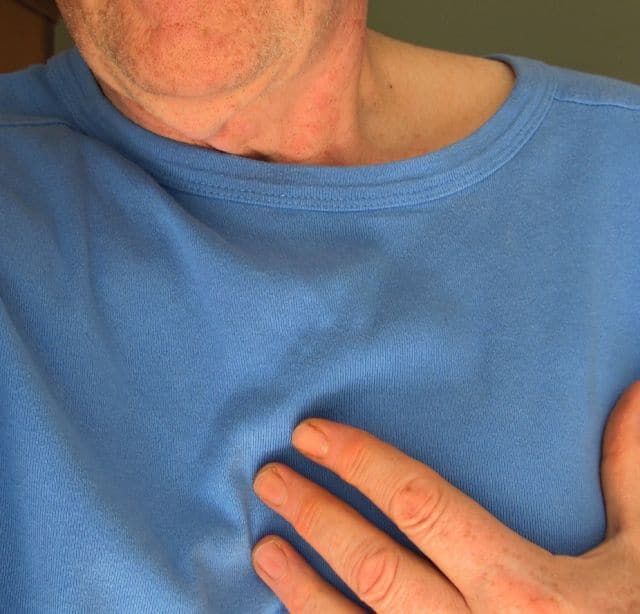
Heart disease is a leading cause of death worldwide, claiming an estimated 17.9 million lives every year. Pixabay
Dr Chandra explains that liver cells use LDL receptors to bind LDL cholesterol in the blood and transport it into the liver for breakdown. Normally, once this happens, the receptor is safely recycled back to the cell surface to clear more cholesterol. PCSK9 is a liver-produced protein that binds to LDL receptors.
When PCSK9 binds to an LDL receptor, the gene prevents it from recycling and causes it to be degraded. “With fewer LDL receptors available on the liver's surface, the liver cannot effectively remove LDL, increasing its level in the blood. The idea here was to block the gene,” says Dr Chandra.
Scientists became interested in this gene after discovering people who naturally carried mutations that switched it off had unusually low cholesterol and better heart protection.
“Initially, injectable antibody drugs that block PCSK9 were given; later, researchers developed RNA-based therapies that suppress the PCSK9 gene for several months at a time. Now, gene editing has gone further: instead of blocking it, it permanently deactivates the gene,’’ Dr Chandra explains.
In simpler terms, higher PCSK9 activity means higher LDL cholesterol levels. Turning it off may therefore dramatically reduce cholesterol levels.
What were the results of the study?
The study, published in The New England Journal of Medicine, is very small. It was an interim analysis of 35 patients in a trial that will involve as many as 85 participants, according to the NYT. The results, released at the American Heart Association meeting in Boston, showed that the treatment appeared to markedly reduce cholesterol levels in patients.
The study was led by Dr Sekar Kathiresan, a cardiologist and the chief executive at Verve Therapeutics, now a subsidiary of Eli Lilly.
The initial results showed that, in some cases, LDL cholesterol levels dropped by 39-55 per cent. Many patients moved closer to recommended cholesterol targets. The treatment appeared to successfully edit liver cells.
This was the first human trial. Researchers also reported that they have been conducting animal testing for more than two years.
There were, however, side effects. One patient suffered a heart attack a day after the infusion. A death was also reported five weeks after the therapy. However, researchers said both patients already had some heart conditions.
Caution remains the key; long-term monitoring may be needed, and a larger study may be able to answer safety questions more effectively. “…we need much more safety data,” Dr J Michael Gaziano, the director of preventive cardiology at the Boston VA health care system, who was not involved in the new study, was quoted as saying by the
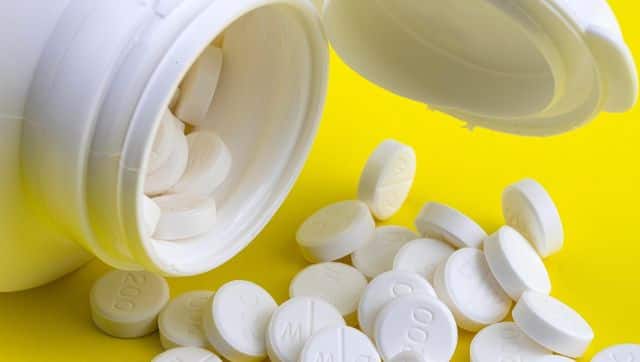
Patients at risk of heart ailments generally take a daily statin, ezetimibe, and PCSK9 inhibitors. If the trial is successful, doctors say they might not need the medication. Representational image/Pixabay
Is this a game-changer in treating heart disease?
Cardiologists are excited about this one-time treatment. Most patients tend to forget to take their statins, and managing cholesterol is a lifelong treatment. Dr Chandra calls it revolutionary if larger trials prove its effectiveness.
Dr Michelle O’Donoghue, associate professor at Harvard Medical School and Brigham and Women's Hospital, was quoted by Harvard Health as saying the trial has generated extraordinary optimism in cardiology circles, tempered by caution due to the risks inherent in changing a patient’s DNA.
Some researchers believe this technology could eventually be used at an earlier age, even before heart diseases develop in young people with genetically high cholesterol.
Can this be a ‘gene-editing vaccine’ for heart disease?
Only time will tell. Although experts from all over are calling it a “historic movement” in science, before the therapy becomes routine, researchers have to answer several questions, such as safety in larger patient groups.
How long will the edits last, and will they be really permanent? Is there a risk of other unintended genetic changes? And the most important, who would receive the treatment, only high-risk patients?
The NYT quoted Dr Daniel Skovronsky, chief scientist at Eli Lilly, which is conducting early-stage trials, saying the company aims to make it a medicine that could someday be part of primary care.
The study was led by Dr Sekar Kathiresan, the chief executive at Verve Therapeutics, now a subsidiary of Eli Lilly. Reuters
The study is pathbreaking as gene editing is largely viewed as a treatment for rare inherited disorders; this trial shows it can affect millions of people worldwide.
“If future studies confirm that the treatment is safe and durable, it could change the face of preventive cardiology,” says Dr Chandra.
“Gene therapy for cholesterol is a major medical breakthrough because it saves people from lifelong therapy; it replaces daily medication with a potential “one-time” infusion. The person who undergoes therapy would not be required to take medicines again ever in their life. It is revolutionary as it is a one-time cure,” he concludes.
One of the big breakthroughs in medicine in recent years has been Ozempic. If the success of the gene-experiment treatment is confirmed in larger studies, it will be a much greater development than the anti-obesity drug. Ozempic is not a permanent cure but a highly effective, long-term management medication. It requires continued use to maintain blood sugar control and weight loss, and stopping the medication typically results in a return to baseline weight and glucose levels.
The gene therapy for cholesterol, if successful, will have to be administered just once.