







What is the story about?
Two back-to-back vessels carrying Indians have come under attack off the coast of Oman within three days.
Tanker Settebello, carrying 24 Indian nationals, is the latest one to be attacked. Three Indian nationals are missing while 21 crew members were rescued since the incident, the
Ministry of External Affairs (MEA) said on Wednesday (June 10). The development came just two days after an earlier strike on the Marivex, in which all 24 Indian crew members were rescued safely.
Expressing deep concerns over attacks on commercial vessels in the Gulf region, while speaking at the United Nations, P Harish, India’s Permanent Representative to the UN, said many Indian nationals have lost their lives in these attacks, while some remain missing. Reaffirming a strong position on attacks, Harish added that the safety and well-being of Indians are "the top priority."
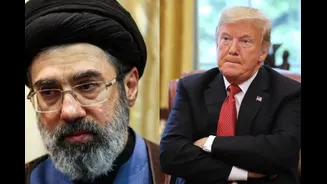
The United States has released visuals of its strike on the commercial vessel Settebello off the coast of Oman. President Donald Trump, meanwhile, has spoken proudly about the American strikes on commercial vessels. This came as India summoned a US top diplomat in Delhi to protest attacks on Indian sailors.
We take a look.
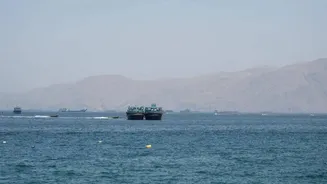
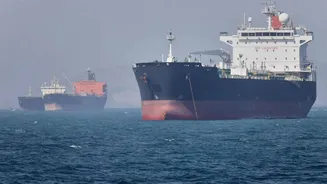
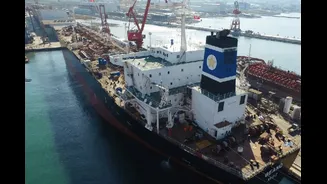
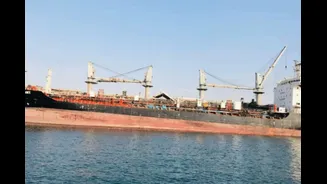
A missile tore through the engine room of the oil tanker Settebello near the Strait of Hormuz, sparking a fire aboard the vessel.
In a post on X, the US Central Command confirmed that the US forces had disabled an oil tanker in the Gulf of Oman after
it allegedly breached a naval blockade.
"US Central Command (CENTCOM) disabled Palau-flagged M/T Settebello as it transited the Gulf of Oman. A U.S. aircraft fired precision munitions into the ship's engine room after the crew repeatedly failed to comply with directions from American forces," the post noted.
The MEA strongly condemned the incident. The ministry noted that the Indian Embassy in Oman was closely monitoring the situation and coordinating with Omani authorities in the ongoing search-and-rescue efforts.
British maritime security firm Ambrey told
Reuters the incident was “likely the result of US operations to blockade Iranian ports," according to News18.
"The vessel was likely struck by a US missile," a second maritime security source also told Reuters.
Following the incident, India on Wednesday (June 10) summoned Jason Meeks, the Chargé d’Affaires of the United States, to protest the attack on the commercial vessel Settebello off the coast of Oman.
Nagaraj Naidu, the additional secretary in the Foreign Ministry, summoned Meeks and conveyed India’s concerns over the attack amid escalating tensions in the Gulf region.
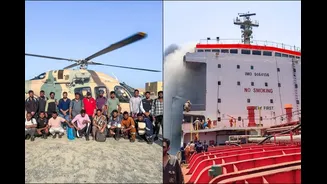
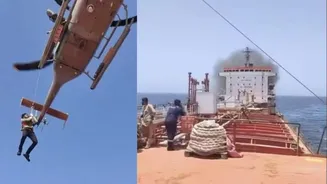
Hours later, all crew members were safely evacuated by an Oman Air Force helicopter. The Indian embassy in Muscat expressed gratitude to Omani authorities for rescuing all 24 Indian crew members in a social media post.
An audio recording of an SOS message sent by the crew of Marivex captured a crew member saying that the vessel had caught fire after what he described as a "US Navy missile strike on its engine room."
On the condition of anonymity, people familiar with the matter said that Marivex had been blacklisted and sanctioned by the Office of Foreign Assets Control (OFAC), the financial intelligence and enforcement agency of the US Treasury Department, the
Hindustan Times reported.
OFAC is a body responsible for taking action against vessels that violate US sanctions on the sale of Iranian and Russian oil.
“The vessel is not Indian-owned. Over the last few days, Marivex made four attempts to evade the US blockade of Iranian ports. On three occasions, the vessel turned away after repeated warnings by the US Navy," one of the people said, the report noted.
The sources said Marivex made a fourth attempt on Monday (June 8) to evade the US blockade by navigating through Oman's territorial waters. They added that the vessel switched off its tracking devices to avoid detection, a pattern they said indicated its intentions were not "above board."
In the Marivex strike, the US acknowledged responsibility for the attack.
On June 8, CENTCOM asserted that an F/A-18 Super Hornet operating from the USS Abraham Lincoln launched a precision strike targeting the vessel’s engineering and steering compartments after it allegedly did not comply with US instructions and attempted to head for an Iranian port despite the ongoing blockade.
The vessel was disabled but not sunk, CENTCOM said.
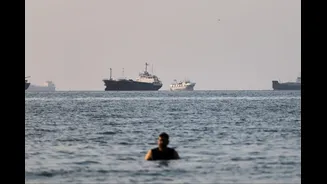
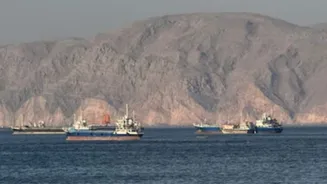
In late May, another tanker was hit about 60 nautical miles east of Muscat, while earlier this year Iran struck a vessel near the Omani port of Khasab.
With inputs from agencies
Tanker Settebello, carrying 24 Indian nationals, is the latest one to be attacked. Three Indian nationals are missing while 21 crew members were rescued since the incident, the
Expressing deep concerns over attacks on commercial vessels in the Gulf region, while speaking at the United Nations, P Harish, India’s Permanent Representative to the UN, said many Indian nationals have lost their lives in these attacks, while some remain missing. Reaffirming a strong position on attacks, Harish added that the safety and well-being of Indians are "the top priority."
The United States has released visuals of its strike on the commercial vessel Settebello off the coast of Oman. President Donald Trump, meanwhile, has spoken proudly about the American strikes on commercial vessels. This came as India summoned a US top diplomat in Delhi to protest attacks on Indian sailors.
We take a look.
Settebello tanker incident: 2nd attack in 3 days
A missile tore through the engine room of the oil tanker Settebello near the Strait of Hormuz, sparking a fire aboard the vessel.
In a post on X, the US Central Command confirmed that the US forces had disabled an oil tanker in the Gulf of Oman after
"US Central Command (CENTCOM) disabled Palau-flagged M/T Settebello as it transited the Gulf of Oman. A U.S. aircraft fired precision munitions into the ship's engine room after the crew repeatedly failed to comply with directions from American forces," the post noted.
— U.S. Central Command (@CENTCOM) June 10, 2026
The MEA strongly condemned the incident. The ministry noted that the Indian Embassy in Oman was closely monitoring the situation and coordinating with Omani authorities in the ongoing search-and-rescue efforts.
British maritime security firm Ambrey told
"The vessel was likely struck by a US missile," a second maritime security source also told Reuters.
India issues demarche to US diplomat
Following the incident, India on Wednesday (June 10) summoned Jason Meeks, the Chargé d’Affaires of the United States, to protest the attack on the commercial vessel Settebello off the coast of Oman.
Our statement on the attack on a commercial vessel off the coast of Oman ⬇️https://t.co/w405oJsHmZ pic.twitter.com/m0U3U81hQn
— Randhir Jaiswal (@MEAIndia) June 10, 2026
Nagaraj Naidu, the additional secretary in the Foreign Ministry, summoned Meeks and conveyed India’s concerns over the attack amid escalating tensions in the Gulf region.
Marivex Incident: 1st attack in three days
A fire erupted on Palau-flagged tanker MT Marivex, carrying 24 Indian seafarers, in the Gulf of Oman on Monday (June 8).
Hours later, all crew members were safely evacuated by an Oman Air Force helicopter. The Indian embassy in Muscat expressed gratitude to Omani authorities for rescuing all 24 Indian crew members in a social media post.
An audio recording of an SOS message sent by the crew of Marivex captured a crew member saying that the vessel had caught fire after what he described as a "US Navy missile strike on its engine room."
UPDATE ON MT MARIVEX INCIDENT
Repatriation by the Navy is currently underway. As per information received directly from crew members, the majority of the crew have been reported safe.
Our union remains in continuous contact with the crew and relevant authorities and is closely… https://t.co/s232XKjKXm pic.twitter.com/Nvc0o274LG
— All India Seafarers Union (@AllSeafarers) June 8, 2026
On the condition of anonymity, people familiar with the matter said that Marivex had been blacklisted and sanctioned by the Office of Foreign Assets Control (OFAC), the financial intelligence and enforcement agency of the US Treasury Department, the
OFAC is a body responsible for taking action against vessels that violate US sanctions on the sale of Iranian and Russian oil.
“The vessel is not Indian-owned. Over the last few days, Marivex made four attempts to evade the US blockade of Iranian ports. On three occasions, the vessel turned away after repeated warnings by the US Navy," one of the people said, the report noted.
The sources said Marivex made a fourth attempt on Monday (June 8) to evade the US blockade by navigating through Oman's territorial waters. They added that the vessel switched off its tracking devices to avoid detection, a pattern they said indicated its intentions were not "above board."
Did the US claim responsibility for the strike?
In the Marivex strike, the US acknowledged responsibility for the attack.
On June 8, CENTCOM asserted that an F/A-18 Super Hornet operating from the USS Abraham Lincoln launched a precision strike targeting the vessel’s engineering and steering compartments after it allegedly did not comply with US instructions and attempted to head for an Iranian port despite the ongoing blockade.
The vessel was disabled but not sunk, CENTCOM said.
In late May, another tanker was hit about 60 nautical miles east of Muscat, while earlier this year Iran struck a vessel near the Omani port of Khasab.
With inputs from agencies