


What is the story about?
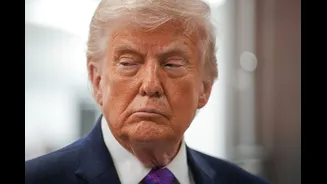
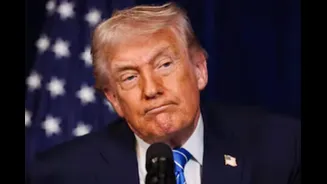
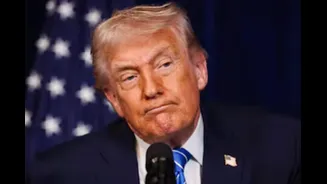
US President Donald Trump on Tuesday said most Nato allies have informed Washington they will not take part in the US military operation against Iran, despite earlier agreeing that Tehran must not be allowed to develop nuclear weapons.
In a post on Truth Social, Trump criticised Nato as a “one-way street”, saying the US spends “hundreds of billions of dollars” protecting allies while receiving little in return. He added that, given what he described as US “military success”, Washington neither “needs nor desires” assistance from Nato countries, and said partners such as Japan, Australia and South Korea were also not required to help.
Trump claimed the US has “decimated” Iran’s military capabilities — including its navy, air force, air defences and leadership — asserting that America remains “by far the most powerful country” and can act independently.
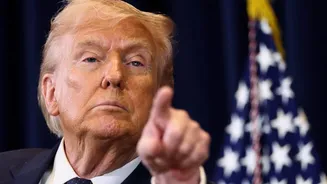
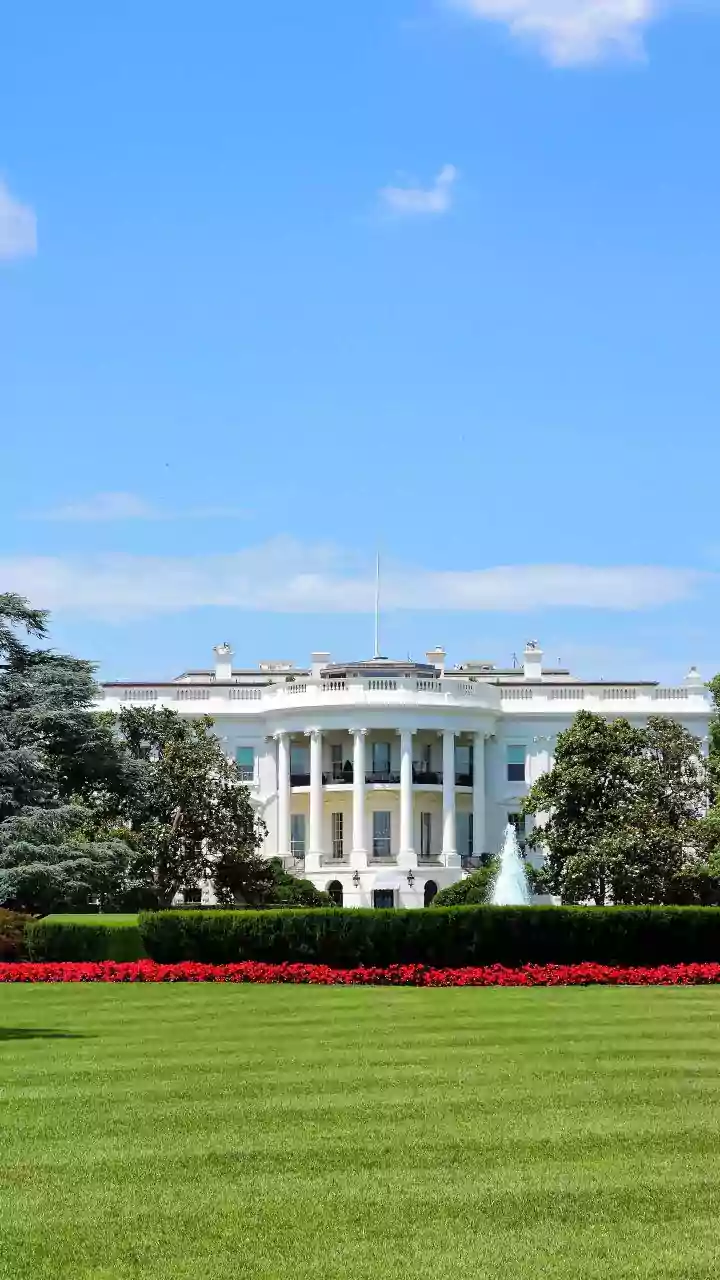
Speaking later at the Oval Office, he said allies broadly support the US-Israeli campaign, now in its third week, but are unwilling to participate. “Everyone agrees with us, but they don’t want to help,” he said, calling the stance “shocking”.
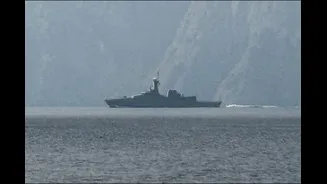
Trump also urged allies to help secure the Strait of Hormuz after Iran used drones, missiles and mines to disrupt oil tanker movement. However, several US partners said they had no immediate plans to deploy naval assets.
EU foreign policy chief Kaja Kallas said countries were reluctant to put personnel at risk in the strait and instead called for diplomatic efforts to prevent a wider crisis affecting global food, fertiliser and energy supplies.
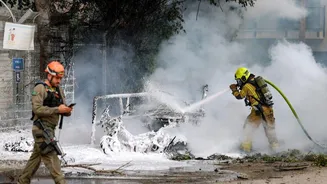
Oil prices rose about 2 percent on Tuesday following fresh Iranian strikes on facilities in the UAE, taking the overall increase to roughly 45 percent since the start of the war. The conflict has now entered its third week, with around 2,000 reported dead and the Strait of Hormuz largely blocked.
Meanwhile, key NATO member France rejected Trump’s call for support in reopening the strait. French President Emmanuel Macron said Paris would not participate in such operations.
“We are not party to the conflict and therefore France will never take part in operations to open or liberate the Strait of Hormuz in the current context,” Macron said.
French officials indicated that any future mission to secure the strait would require a ceasefire, reduced hostilities, negotiations with Iran and broader international coordination.
The European Union’s current naval presence in the region remains limited, with no expansion planned at this stage.
Trump calls Nato a ‘one-way street’
In a post on Truth Social, Trump criticised Nato as a “one-way street”, saying the US spends “hundreds of billions of dollars” protecting allies while receiving little in return. He added that, given what he described as US “military success”, Washington neither “needs nor desires” assistance from Nato countries, and said partners such as Japan, Australia and South Korea were also not required to help.
Claims of ‘decimated’ Iran military
Trump claimed the US has “decimated” Iran’s military capabilities — including its navy, air force, air defences and leadership — asserting that America remains “by far the most powerful country” and can act independently.
Speaking later at the Oval Office, he said allies broadly support the US-Israeli campaign, now in its third week, but are unwilling to participate. “Everyone agrees with us, but they don’t want to help,” he said, calling the stance “shocking”.
Allies resist Hormuz deployment, push diplomacy
Trump also urged allies to help secure the Strait of Hormuz after Iran used drones, missiles and mines to disrupt oil tanker movement. However, several US partners said they had no immediate plans to deploy naval assets.
EU foreign policy chief Kaja Kallas said countries were reluctant to put personnel at risk in the strait and instead called for diplomatic efforts to prevent a wider crisis affecting global food, fertiliser and energy supplies.
Oil prices rose about 2 percent on Tuesday following fresh Iranian strikes on facilities in the UAE, taking the overall increase to roughly 45 percent since the start of the war. The conflict has now entered its third week, with around 2,000 reported dead and the Strait of Hormuz largely blocked.
France rules out military role
Meanwhile, key NATO member France rejected Trump’s call for support in reopening the strait. French President Emmanuel Macron said Paris would not participate in such operations.
“We are not party to the conflict and therefore France will never take part in operations to open or liberate the Strait of Hormuz in the current context,” Macron said.
French officials indicated that any future mission to secure the strait would require a ceasefire, reduced hostilities, negotiations with Iran and broader international coordination.
The European Union’s current naval presence in the region remains limited, with no expansion planned at this stage.