






What is the story about?
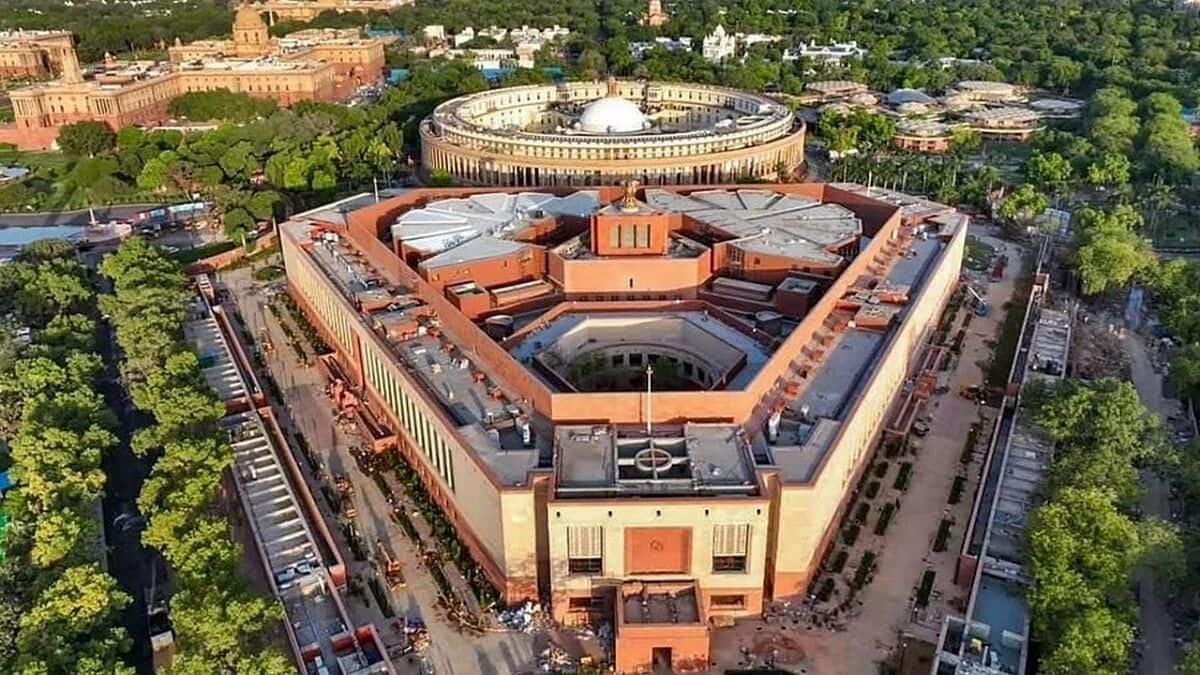
A Special Session of Parliament has begun today (April 16). And Indian democracy could be on the cusp of some massive changes. The Centre has tabled bills that will implement a delimitation exercise and increase the number of seats in the Lok Sabha from its current strength of 543 to 850.
Leaders of some southern states have objected to the proposal to increase the number of seats, saying that it undercuts the principles of 'equitable political representation' guaranteed by the Indian Constitution.
However, Home Minister Amit Shah has sought to tamp down on those fears.
“I want to reassure the people of South India that Prime Minister Narendra Modi has kept your interest in mind and will make sure that not even one seat is reduced. And whatever increase is there, southern states will get a fair share, there is no reason to doubt this,” Shah said.
But what do we know? How will the new Lok Sabha look?
Let’s take a closer look.
The Constitution (One Hundred and Thirty-First Amendment) Bill, 2026, the Delimitation Bill, 2026, and the Union Territories Laws (Amendment) Bill, 2025, have been introduced in this session, which will end on April 18 (Friday).
The Constitution (131st Amendment) Bill states that the Lok Sabha will have 815 MPs from states and 35 MPs from Union Territories. It seeks to amend Article 82 of the Indian Constitution. This provision mandates a ‘readjustment’ of constituencies of the Lok Sabha and the state Assemblies after every Census, as per
The Indian Express.
This can result in the number of seats being changed or the boundaries of constituencies being redrawn. The idea is to reflect the changes in population and ensure that the value of each vote cast around the country is given equal weight.
This is where the Delimitation Bill, 2026, comes in. India has not had a delimitation exercise since 1976. This is because certain states whose populations have grown more slowly than other states believe that such an exercise will hurt them by bringing down their representation in the Lok Sabha – and thus weaken their political influence.
The delimitation exercise was originally halted for 25 years through a Constitutional amendment in 1976. Then, in 2001, this was extended to 2026 via yet another Constitutional amendment.
However, the Prime Minister Narendra Modi government has made it clear that it will not put off the delimitation exercise any longer.
The Constitutional Amendment Bill states, “While the freeze of seats on the basis of population figures of the 1971 Census served an important policy purpose, the country’s demographic profile has since undergone substantial changes, as reflected in the population figures of the latest published census, including significant inter-state and intra-state population shifts.”
The amended Article 82 thus effectively delinks the delimitation exercise from the Census 2026 and future Censuses. It allows for the delimitation exercise to be carried out based on the latest available data.
Sources in the government have said that each state will see a pro-rata 50 per cent increase in the number of seats. However, the exact formula has not been formally published in these Bills.
According to Moneycontrol, the government is arguing that if delimitation was done on the basis of the 2011 Census, Kerala, with 20 seats, would now have 23 seats. However, under the government’s ‘formula’ it will now have 30 seats. Meanwhile, Tamil Nadu, which has 39 seats, would have had 49 seats on the basis of the 2011 Census. However, according to government sources, it will get 59 seats.
Andhra Pradesh, similarly, with 25 seats would have 33 seats based on the 2011 Census. However, it will now have 37 seats in the new Lok Sabha. Odisha, with 21 seats, would have had 28 seats under the 2011 Census. But according to government sources, it will now 31 seats in the new Lok Sabha.
Telangana, with 17 seats, would have had 24 seats on the basis of the 2011 Census. However, according to government sources, it now allocates it 25 seats. Karnataka, with 28 seats, would have had 41 seats through the prism of the 2011 Census. However, it will now have 42 seats.
However, the 50 per cent pro-rata increase for states has not been explicitly spelt out. Sources told
The Indian Express this could not be mentioned in the three Bills.
“There will be no confusion… everything will be legally done,” a source speaking on condition of anonymity told the newspaper.
Sources told News18 that the Centre will likely bring out a ‘schedule’ in Parliament showing the number of Lok Sabha seats each state will be allotted. This will show that the states’ percentage of their total strength in the House will remain unchanged despite the proposed changes in the number of seats.
Not only will this put the Opposition at ease, it will also disarm their criticism of the Bill, the sources have said.
However, others see things very differently.
The Hindu says under the current proposal, the Hindi heartland states dominated by the BJP will see their share of Lok Sabha seats increase from 38.1 per cent to 43.1 per cent. Meanwhile, the southern states will see their share dwindle from 24.3 per cent to 20.7 per cent.
For example, Uttar Pradesh’s seats go from 80 to 138 and its percentage rises from 14.73 per cent to 16.24 per cent. Bihar’s seats increase from 40 to 72 and its share increases from 7.37 per cent to 8.47 per cent.
Psephologist Yogendra Yadav wrote on X, “The political pattern of losers and gainers maps almost perfectly on areas of BJP’s weakness and strength.”
Yadav wrote that each state would be properly represented only if its proportional share was reflected in the new tally of 850 seats.
“Kerala would get 23 seats (an additional three) but should have got 31 if its present share was maintained. Hence it’s a loss of eight seats. Uttar Pradesh should have had 125 but would have 138, a gain of 13,” Yadav claimed.
1. What is delimitation in India?
Delimitation is the process of redrawing the boundaries of parliamentary and assembly constituencies based on population changes in order to ensure equal representation.
2. How is the new number of seats for each state being calculated?
There is no officially published formula yet. Government sources say states get a pro-rata increase of 50 per cent.
3. Why are southern states concerned about delimitation?
Southern states fear that this could reduce their share of seats in the new Lok Sabha and thus their political power.
With inputs from agencies
Leaders of some southern states have objected to the proposal to increase the number of seats, saying that it undercuts the principles of 'equitable political representation' guaranteed by the Indian Constitution.
However, Home Minister Amit Shah has sought to tamp down on those fears.
“I want to reassure the people of South India that Prime Minister Narendra Modi has kept your interest in mind and will make sure that not even one seat is reduced. And whatever increase is there, southern states will get a fair share, there is no reason to doubt this,” Shah said.
But what do we know? How will the new Lok Sabha look?
Let’s take a closer look.
What we know
The Constitution (One Hundred and Thirty-First Amendment) Bill, 2026, the Delimitation Bill, 2026, and the Union Territories Laws (Amendment) Bill, 2025, have been introduced in this session, which will end on April 18 (Friday).
The Constitution (131st Amendment) Bill states that the Lok Sabha will have 815 MPs from states and 35 MPs from Union Territories. It seeks to amend Article 82 of the Indian Constitution. This provision mandates a ‘readjustment’ of constituencies of the Lok Sabha and the state Assemblies after every Census, as per
This can result in the number of seats being changed or the boundaries of constituencies being redrawn. The idea is to reflect the changes in population and ensure that the value of each vote cast around the country is given equal weight.
This is where the Delimitation Bill, 2026, comes in. India has not had a delimitation exercise since 1976. This is because certain states whose populations have grown more slowly than other states believe that such an exercise will hurt them by bringing down their representation in the Lok Sabha – and thus weaken their political influence.
The delimitation exercise was originally halted for 25 years through a Constitutional amendment in 1976. Then, in 2001, this was extended to 2026 via yet another Constitutional amendment.
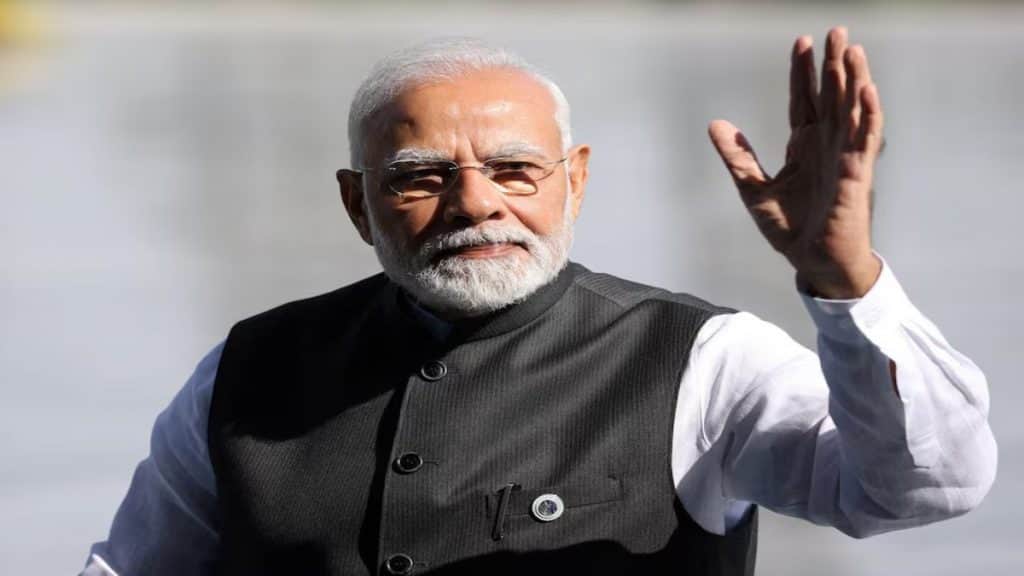
The Prime Minister Narendra Modi government has tabled the three bills. Reuters
However, the Prime Minister Narendra Modi government has made it clear that it will not put off the delimitation exercise any longer.
The Constitutional Amendment Bill states, “While the freeze of seats on the basis of population figures of the 1971 Census served an important policy purpose, the country’s demographic profile has since undergone substantial changes, as reflected in the population figures of the latest published census, including significant inter-state and intra-state population shifts.”
The amended Article 82 thus effectively delinks the delimitation exercise from the Census 2026 and future Censuses. It allows for the delimitation exercise to be carried out based on the latest available data.
How will the new Lok Sabha look?
Sources in the government have said that each state will see a pro-rata 50 per cent increase in the number of seats. However, the exact formula has not been formally published in these Bills.
According to Moneycontrol, the government is arguing that if delimitation was done on the basis of the 2011 Census, Kerala, with 20 seats, would now have 23 seats. However, under the government’s ‘formula’ it will now have 30 seats. Meanwhile, Tamil Nadu, which has 39 seats, would have had 49 seats on the basis of the 2011 Census. However, according to government sources, it will get 59 seats.
Andhra Pradesh, similarly, with 25 seats would have 33 seats based on the 2011 Census. However, it will now have 37 seats in the new Lok Sabha. Odisha, with 21 seats, would have had 28 seats under the 2011 Census. But according to government sources, it will now 31 seats in the new Lok Sabha.
Telangana, with 17 seats, would have had 24 seats on the basis of the 2011 Census. However, according to government sources, it now allocates it 25 seats. Karnataka, with 28 seats, would have had 41 seats through the prism of the 2011 Census. However, it will now have 42 seats.
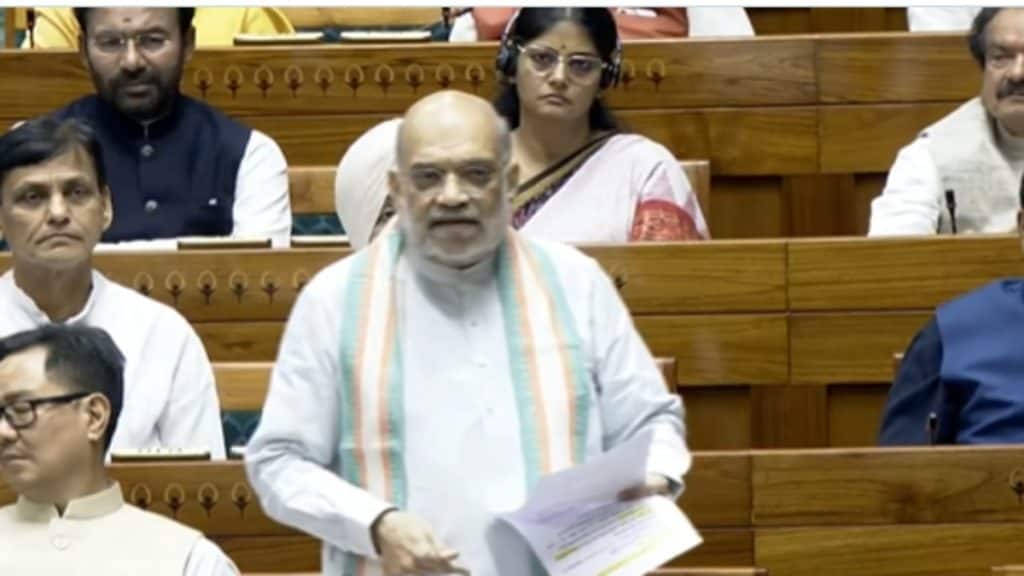
Home Minister Amit Shah has sought to tamp down on the fears of southern states. ANI
However, the 50 per cent pro-rata increase for states has not been explicitly spelt out. Sources told
“There will be no confusion… everything will be legally done,” a source speaking on condition of anonymity told the newspaper.
Sources told News18 that the Centre will likely bring out a ‘schedule’ in Parliament showing the number of Lok Sabha seats each state will be allotted. This will show that the states’ percentage of their total strength in the House will remain unchanged despite the proposed changes in the number of seats.
Not only will this put the Opposition at ease, it will also disarm their criticism of the Bill, the sources have said.
However, others see things very differently.
The Hindu says under the current proposal, the Hindi heartland states dominated by the BJP will see their share of Lok Sabha seats increase from 38.1 per cent to 43.1 per cent. Meanwhile, the southern states will see their share dwindle from 24.3 per cent to 20.7 per cent.
For example, Uttar Pradesh’s seats go from 80 to 138 and its percentage rises from 14.73 per cent to 16.24 per cent. Bihar’s seats increase from 40 to 72 and its share increases from 7.37 per cent to 8.47 per cent.
Psephologist Yogendra Yadav wrote on X, “The political pattern of losers and gainers maps almost perfectly on areas of BJP’s weakness and strength.”
Yadav wrote that each state would be properly represented only if its proportional share was reflected in the new tally of 850 seats.
“Kerala would get 23 seats (an additional three) but should have got 31 if its present share was maintained. Hence it’s a loss of eight seats. Uttar Pradesh should have had 125 but would have 138, a gain of 13,” Yadav claimed.
FAQs
1. What is delimitation in India?
Delimitation is the process of redrawing the boundaries of parliamentary and assembly constituencies based on population changes in order to ensure equal representation.
2. How is the new number of seats for each state being calculated?
There is no officially published formula yet. Government sources say states get a pro-rata increase of 50 per cent.
3. Why are southern states concerned about delimitation?
Southern states fear that this could reduce their share of seats in the new Lok Sabha and thus their political power.
With inputs from agencies