




What is the story about?
The UN Security Council will meet in an emergency session on Monday following Israel’s decision to recognise Somaliland, a move that has drawn sharp criticism from several countries and international organisations. The discussion comes days before Somalia is due to assume the presidency of the Council, heightening diplomatic tensions around the issue.
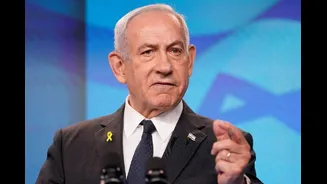
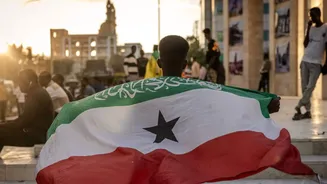
Israel announced the recognition on Friday. Prime Minister Benjamin Netanyahu said the decision was made “in the spirit of the Abraham Accords” and stated that Israel and Somaliland would cooperate in “economic fields, on agriculture, [and] in the fields of social development”. Israel has become the only UN member state to formally recognise Somaliland’s independence, which was unilaterally declared in 1991 after breaking away from Somalia.
The move prompted anger from regional powers, who accused Israel of undermining Somalia’s sovereignty and territorial integrity. Mogadishu described the decision as a “deliberate attack” on its sovereignty, while Egypt, Turkey, the six-nation Gulf Cooperation Council, and the Saudi-based Organisation of Islamic Cooperation also condemned the recognition.
In a statement, Israel’s Ambassador to the UN, Danny Danon, said on Saturday that “Israel will act responsibly and we will continue to cooperate with partners who contribute to regional stability.”
The European Union reaffirmed its position in a statement, saying, “The European Union reaffirms the importance of respecting the unity, the sovereignty and the territorial integrity of the Federal Republic of Somalia pursuant of its constitution, the Charters of the African Union and the United Nations.” The statement added, “This is key for the peace and stability of the entire Horn of Africa region,” and said the EU encouraged dialogue between Somaliland and Somalia’s federal government to resolve long-standing differences.
A joint statement issued on Saturday by 21 mostly West Asian or African countries, along with the Organisation of Islamic Cooperation, rejected Israel’s decision “given the serious repercussions of such an unprecedented measure on peace and security in the Horn of Africa, the Red Sea and its serious effects on international peace and security as a whole.” The countries, including Jordan, Egypt, Saudi Arabia, Turkey and Iran, also noted “the full rejection of any potential link between such measure and any attempts to forcibly expel the Palestinian people out of their land.”
Somaliland, which occupies a strategic position on the Gulf of Aden across from Yemen and next to Djibouti, has its own currency, passports and armed forces but has remained diplomatically isolated since declaring independence. It has previously been mentioned as a possible destination for Gazans leaving the war-torn Strip.
The joint statement further argued that “the recognition of parts of states constitutes a serious precedent and threatens international peace and security and violates the cardinal principles of international law and the United Nations Charter.” Syria issued a separate statement rejecting Israel’s move, while the United Arab Emirates, Bahrain and Morocco — which normalised ties with Israel in 2020 — did not sign the joint declaration.
The US State Department said on Saturday that it continued to recognise the territorial integrity of Somalia, “which includes the territory of Somaliland.”
Israel announced the recognition on Friday. Prime Minister Benjamin Netanyahu said the decision was made “in the spirit of the Abraham Accords” and stated that Israel and Somaliland would cooperate in “economic fields, on agriculture, [and] in the fields of social development”. Israel has become the only UN member state to formally recognise Somaliland’s independence, which was unilaterally declared in 1991 after breaking away from Somalia.
International response and regional backlash
The move prompted anger from regional powers, who accused Israel of undermining Somalia’s sovereignty and territorial integrity. Mogadishu described the decision as a “deliberate attack” on its sovereignty, while Egypt, Turkey, the six-nation Gulf Cooperation Council, and the Saudi-based Organisation of Islamic Cooperation also condemned the recognition.
In a statement, Israel’s Ambassador to the UN, Danny Danon, said on Saturday that “Israel will act responsibly and we will continue to cooperate with partners who contribute to regional stability.”
The European Union reaffirmed its position in a statement, saying, “The European Union reaffirms the importance of respecting the unity, the sovereignty and the territorial integrity of the Federal Republic of Somalia pursuant of its constitution, the Charters of the African Union and the United Nations.” The statement added, “This is key for the peace and stability of the entire Horn of Africa region,” and said the EU encouraged dialogue between Somaliland and Somalia’s federal government to resolve long-standing differences.
Broader diplomatic implications
A joint statement issued on Saturday by 21 mostly West Asian or African countries, along with the Organisation of Islamic Cooperation, rejected Israel’s decision “given the serious repercussions of such an unprecedented measure on peace and security in the Horn of Africa, the Red Sea and its serious effects on international peace and security as a whole.” The countries, including Jordan, Egypt, Saudi Arabia, Turkey and Iran, also noted “the full rejection of any potential link between such measure and any attempts to forcibly expel the Palestinian people out of their land.”
Somaliland, which occupies a strategic position on the Gulf of Aden across from Yemen and next to Djibouti, has its own currency, passports and armed forces but has remained diplomatically isolated since declaring independence. It has previously been mentioned as a possible destination for Gazans leaving the war-torn Strip.
The joint statement further argued that “the recognition of parts of states constitutes a serious precedent and threatens international peace and security and violates the cardinal principles of international law and the United Nations Charter.” Syria issued a separate statement rejecting Israel’s move, while the United Arab Emirates, Bahrain and Morocco — which normalised ties with Israel in 2020 — did not sign the joint declaration.
The US State Department said on Saturday that it continued to recognise the territorial integrity of Somalia, “which includes the territory of Somaliland.”