







What is the story about?
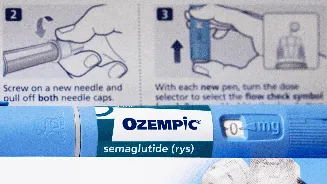
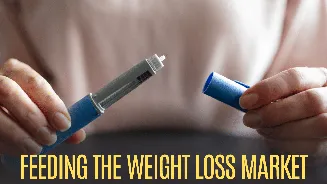
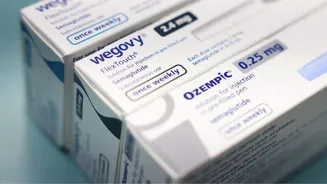
India’s drug market is entering a defining moment as the patent on semaglutide — the key ingredient behind globally popular weight-loss drugs such as Ozempic and Wegovy — expires on Friday (March 20, 2026).
The development is expected to unleash a surge of lower-cost alternatives from domestic manufacturers, significantly widening access to treatment for diabetes and obesity in a country with a rapidly growing disease burden.
The shift is not just about affordability. It is set to test India’s regulatory systems, reshape prescribing practices, and potentially position the country as a global supplier of low-cost anti-obesity medicines.
The expiry of the patent held by Novo Nordisk removes a major barrier for Indian pharmaceutical firms, many of which have been preparing to introduce generic versions.
Companies such as Sun Pharma, Mankind Pharma, Dr. Reddy's, Zydus Lifesciences, Lupin and Alkem Laboratories are among those preparing launches.
Industry estimates indicate that more than 40 firms could introduce upwards of 50 brands within weeks.
Additional players such as Ajanta Pharma are also expected to enter the segment. This influx is likely to create one of the most crowded therapeutic categories in India’s pharmaceutical market in a short span of time.
India is among the first major markets after Canada where semaglutide is losing patent protection, making it a key testing ground for how quickly generic competition can transform pricing and access.
The entry of domestic players will also increase competition for global companies such as Eli Lilly, which entered the Indian market with its own obesity and diabetes therapies last year. Its drug Mounjaro has already emerged as the country’s top-selling medicine by value within months of launch, according to Pharmarack data.
The most immediate and visible impact of generic entry will be on pricing. Indian drugmakers, known globally for producing cost-effective medicines, are expected to introduce semaglutide versions at discounts of at least 50 to 60 per cent compared to existing branded therapies.
Estimates suggest that monthly treatment costs for lower doses could drop from around ₹11,000 to between ₹3,000 and ₹5,000 in the initial phase.
Over time, as competition deepens and more manufacturers enter the market, prices could decline further to a range of ₹1,500 to ₹2,500. Some analysts also point to the possibility of a broader price war that may push costs down by as much as 90 per cent.
In India’s largely self-funded healthcare system, where patients bear a significant share of medical expenses, such reductions are expected to expand access beyond a relatively small, urban patient base.
The anticipated surge in demand is closely linked to India’s growing burden of metabolic disorders. The country already has one of the highest numbers of diabetes patients globally and is witnessing a steady increase in obesity rates.
Urbanisation, reduced physical activity and calorie-dense diets have contributed to rising incidences of conditions such as fatty liver disease, thyroid disorders and diabetes.
India currently has the world’s third-largest overweight population after the United States and China, and projections indicate that hundreds of millions of adults could fall into this category by 2050.
Market forecasts reflect this trend. Estimates suggest that India’s obesity drug segment could expand from around ₹10-15 billion at present to ₹50-80 billion by 2030. Similarly, the broader GLP-1 drug market is expected to grow several-fold over the same period.
Healthcare providers are responding to this shift. Hospital chains such as Apollo Hospitals and Fortis Healthcare are scaling up obesity management services, with multidisciplinary teams that include physicians, dietitians, fitness professionals and psychologists, reported
Bloomberg
.
Diagnostic and digital health platforms are also expanding offerings. Tata 1MG is rolling out discounted diagnostic packages, while online pharmacy platforms are enabling home delivery after e-consultations, though offline channels continue to dominate overall sales.
Pharmaceutical companies are also preparing complementary programmes. Dr. Reddy’s has been engaging with hospitals to build patient-support initiatives alongside its planned launch, while Cipla is working with clinics in smaller towns for distribution of obesity therapies marketed in partnership with global firms.
While improved affordability is expected to expand access, experts have flagged concerns about inappropriate use and gaps in regulatory enforcement.
"With high demand, falling prices and multiple brands, you may see direct pharmacy purchases, distributor-level leakages, or cosmetic or lifestyle use especially in urban markets," Salil Kallianpur, an independent analyst, told Reuters.
"This could lead to misuse, poor titration and unmanaged side effects and eventually regulatory tightening."
Semaglutide is classified as a prescription medication, but enforcement in India has often depended on doctors and pharmacists acting as gatekeepers. A sudden influx of multiple brands, combined with aggressive marketing, could complicate adherence to prescription norms.
In response to rising demand, authorities have already imposed restrictions on advertising and promotional activities linked to weight-loss treatments. The curbs extend to social media endorsements, corporate campaigns and even disease-awareness initiatives, reflecting concerns about over-commercialisation.
Another layer of complexity lies in the drug’s formulation. Semaglutide is not a conventional pill but a complex peptide, requiring precise manufacturing processes. Even minor deviations in formulation or delivery mechanisms can affect dosage and treatment outcomes.
Unlike simpler medicines, semaglutide demands high levels of manufacturing precision and stringent storage conditions. The drug is sensitive to temperature variations and requires a continuous cold-chain system — from production facilities to end-users — to maintain stability and effectiveness.
Although certain formulations can remain at room temperature for a limited duration, long-term storage typically requires refrigeration between 2°C and 8°C. Any disruption in this chain, particularly in remote or underdeveloped areas, may reduce the drug’s efficacy.
In addition to storage challenges, delivery systems such as pre-filled injection devices must meet strict standards for accuracy and consistency. These factors make replication more complex than standard generic drugs and could influence the quality differentiation among competing brands.
Despite the expected price competition, market dynamics are likely to be shaped by physician confidence. India’s pharmaceutical ecosystem is largely driven by prescriptions, and doctors’ trust in product quality, reliability and outcomes will play a decisive role.
The initial wave of launches could create confusion among prescribers, particularly as many brands adopt similar naming conventions incorporating “sema.” Analysts expect that, over time, the market will stabilise as doctors gravitate towards a smaller set of reliable manufacturers.
"Weaker players with poor quality and no differentiation will likely exit within two to three years," Kallianpur said.
At the same time, competition from established global players will continue, even as generics gain traction. The interplay between pricing, quality and clinical trust will determine long-term market leadership.
India’s entry into large-scale semaglutide production has implications beyond its domestic market.
The country has previously played a central role in lowering the cost of critical medicines, particularly in areas such as HIV treatment, by leveraging its generic drug manufacturing capabilities.
A similar pattern could emerge in the obesity and diabetes space.
With its scale, manufacturing expertise and cost advantages, India could become a major supplier of affordable semaglutide to other markets, influencing global pricing trends.
With inputs from agencies
The development is expected to unleash a surge of lower-cost alternatives from domestic manufacturers, significantly widening access to treatment for diabetes and obesity in a country with a rapidly growing disease burden.
The shift is not just about affordability. It is set to test India’s regulatory systems, reshape prescribing practices, and potentially position the country as a global supplier of low-cost anti-obesity medicines.
What happens after the semaglutide patent expiry in India?
The expiry of the patent held by Novo Nordisk removes a major barrier for Indian pharmaceutical firms, many of which have been preparing to introduce generic versions.
Companies such as Sun Pharma, Mankind Pharma, Dr. Reddy's, Zydus Lifesciences, Lupin and Alkem Laboratories are among those preparing launches.
Industry estimates indicate that more than 40 firms could introduce upwards of 50 brands within weeks.
Additional players such as Ajanta Pharma are also expected to enter the segment. This influx is likely to create one of the most crowded therapeutic categories in India’s pharmaceutical market in a short span of time.
India is among the first major markets after Canada where semaglutide is losing patent protection, making it a key testing ground for how quickly generic competition can transform pricing and access.
The entry of domestic players will also increase competition for global companies such as Eli Lilly, which entered the Indian market with its own obesity and diabetes therapies last year. Its drug Mounjaro has already emerged as the country’s top-selling medicine by value within months of launch, according to Pharmarack data.
How sharply will prices fall and who benefits the most?
The most immediate and visible impact of generic entry will be on pricing. Indian drugmakers, known globally for producing cost-effective medicines, are expected to introduce semaglutide versions at discounts of at least 50 to 60 per cent compared to existing branded therapies.
Estimates suggest that monthly treatment costs for lower doses could drop from around ₹11,000 to between ₹3,000 and ₹5,000 in the initial phase.
Over time, as competition deepens and more manufacturers enter the market, prices could decline further to a range of ₹1,500 to ₹2,500. Some analysts also point to the possibility of a broader price war that may push costs down by as much as 90 per cent.
In India’s largely self-funded healthcare system, where patients bear a significant share of medical expenses, such reductions are expected to expand access beyond a relatively small, urban patient base.
Why is demand for these drugs rising so rapidly in India?
The anticipated surge in demand is closely linked to India’s growing burden of metabolic disorders. The country already has one of the highest numbers of diabetes patients globally and is witnessing a steady increase in obesity rates.
Urbanisation, reduced physical activity and calorie-dense diets have contributed to rising incidences of conditions such as fatty liver disease, thyroid disorders and diabetes.
India currently has the world’s third-largest overweight population after the United States and China, and projections indicate that hundreds of millions of adults could fall into this category by 2050.
Market forecasts reflect this trend. Estimates suggest that India’s obesity drug segment could expand from around ₹10-15 billion at present to ₹50-80 billion by 2030. Similarly, the broader GLP-1 drug market is expected to grow several-fold over the same period.
Healthcare providers are responding to this shift. Hospital chains such as Apollo Hospitals and Fortis Healthcare are scaling up obesity management services, with multidisciplinary teams that include physicians, dietitians, fitness professionals and psychologists, reported
Diagnostic and digital health platforms are also expanding offerings. Tata 1MG is rolling out discounted diagnostic packages, while online pharmacy platforms are enabling home delivery after e-consultations, though offline channels continue to dominate overall sales.
Pharmaceutical companies are also preparing complementary programmes. Dr. Reddy’s has been engaging with hospitals to build patient-support initiatives alongside its planned launch, while Cipla is working with clinics in smaller towns for distribution of obesity therapies marketed in partnership with global firms.
What are the risks around misuse and weak oversight?
While improved affordability is expected to expand access, experts have flagged concerns about inappropriate use and gaps in regulatory enforcement.
"With high demand, falling prices and multiple brands, you may see direct pharmacy purchases, distributor-level leakages, or cosmetic or lifestyle use especially in urban markets," Salil Kallianpur, an independent analyst, told Reuters.
"This could lead to misuse, poor titration and unmanaged side effects and eventually regulatory tightening."
Semaglutide is classified as a prescription medication, but enforcement in India has often depended on doctors and pharmacists acting as gatekeepers. A sudden influx of multiple brands, combined with aggressive marketing, could complicate adherence to prescription norms.
In response to rising demand, authorities have already imposed restrictions on advertising and promotional activities linked to weight-loss treatments. The curbs extend to social media endorsements, corporate campaigns and even disease-awareness initiatives, reflecting concerns about over-commercialisation.
Another layer of complexity lies in the drug’s formulation. Semaglutide is not a conventional pill but a complex peptide, requiring precise manufacturing processes. Even minor deviations in formulation or delivery mechanisms can affect dosage and treatment outcomes.
Can India manage the technical challenges of production and supply?
Unlike simpler medicines, semaglutide demands high levels of manufacturing precision and stringent storage conditions. The drug is sensitive to temperature variations and requires a continuous cold-chain system — from production facilities to end-users — to maintain stability and effectiveness.
Although certain formulations can remain at room temperature for a limited duration, long-term storage typically requires refrigeration between 2°C and 8°C. Any disruption in this chain, particularly in remote or underdeveloped areas, may reduce the drug’s efficacy.
In addition to storage challenges, delivery systems such as pre-filled injection devices must meet strict standards for accuracy and consistency. These factors make replication more complex than standard generic drugs and could influence the quality differentiation among competing brands.
Will doctors decide the winners in a crowded market?
Despite the expected price competition, market dynamics are likely to be shaped by physician confidence. India’s pharmaceutical ecosystem is largely driven by prescriptions, and doctors’ trust in product quality, reliability and outcomes will play a decisive role.
The initial wave of launches could create confusion among prescribers, particularly as many brands adopt similar naming conventions incorporating “sema.” Analysts expect that, over time, the market will stabilise as doctors gravitate towards a smaller set of reliable manufacturers.
"Weaker players with poor quality and no differentiation will likely exit within two to three years," Kallianpur said.
At the same time, competition from established global players will continue, even as generics gain traction. The interplay between pricing, quality and clinical trust will determine long-term market leadership.
Could India reshape the global market for obesity drugs?
India’s entry into large-scale semaglutide production has implications beyond its domestic market.
The country has previously played a central role in lowering the cost of critical medicines, particularly in areas such as HIV treatment, by leveraging its generic drug manufacturing capabilities.
A similar pattern could emerge in the obesity and diabetes space.
With its scale, manufacturing expertise and cost advantages, India could become a major supplier of affordable semaglutide to other markets, influencing global pricing trends.
With inputs from agencies