







What is the story about?
India has made history.
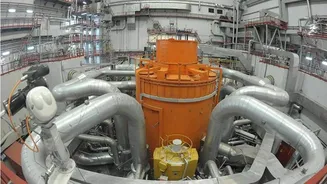
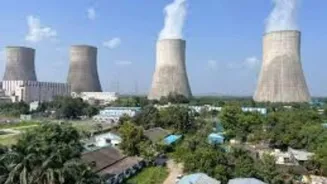
The country’s first indigenously built fast breeder reactor in Tamil Nadu’s Kalpakkam has attained criticality.
The development was lauded by Prime Minister Narendra Modi on Monday. “Today, India takes a defining step in its civil nuclear journey, advancing the second stage of its nuclear programme,” Modi wrote on social media. “The indigenously designed and built Prototype Fast Breeder Reactor at Kalpakkam has attained criticality.”
“It is a decisive step towards harnessing our vast thorium reserves in the third stage of the programme. A proud moment for India. Congratulations to our scientists and engineers,” Modi added.
But what do we know about fast breeder reactors? Why is this development significant?
Let’s take a closer look
According to Indian Express, the Bharatiya Nabhikiya Vidyut Nigam Ltd (BHAVINI) was set up to build the reactor in 2003 under the then Atal Bihari Vajpayee government. It was designed by the Indira Gandhi Centre for Atomic Research (IGCAR) in Kalpakkam.
It was built indigenously with contributions from over 200 Indian industries, including several Micro, Small, and Medium Enterprises (MSMEs). The project has been more than two decades in the making and has faced multiple technological challenges and delays along the way.
According to India Today, this PFBR reactor runs on uranium-plutonium Mixed Oxide fuel (MOX). These comprise ceramic pellets that combine uranium and plutonium oxides. This reactor also uses liquid sodium as a coolant. This is in contrast to conventional nuclear reactors, which use water to cool down the system.
Sodium metal, kept molten at around 200 degrees Celsius, transfers heat far more efficiently than water and, critically, does not slow down the fast-moving neutrons that make this reactor special.
In addition, the reactor is designed as a “breeder”, meaning it produces more fuel than it consumes. It does this by using fast neutrons to convert uranium-238 in a surrounding blanket into plutonium-239, which can then be reused as fuel. This process of nuclear transmutation allows the reactor to generate fresh fissile material while producing energy, according to Indian Express.
The reactor has a capacity of 500 megawatt electric (MWe), enough to power several lakh homes, according to India Today. Attaining criticality means the reactor has achieved a self-sustaining nuclear chain reaction . This is where each fission event produces enough neutrons to sustain the process. It is a crucial milestone before electricity generation begins, confirming that the reactor core is functioning as designed, according to
Indian Express.
This development is significant because it puts India on the path to entering a very elite club. Thus far, only Russia has a commercially operating fast breeder reactor programme, with its facility located at the Beloyarsk Nuclear Power Plant in the Ural Mountains.
Once the Kalpakkam reactor becomes fully operational, India will be only the second country to achieve this, especially as countries such as the United States, France and Japan have scaled back similar programmes due to technical and safety challenges, according to Indian Express.
More importantly, the reactor is central to India’s three-stage nuclear programme. The first stage relies on pressurised heavy water reactors (PHWRs) that use natural uranium and produce plutonium as a by-product.
The second stage — where the PFBR fits in — uses this plutonium to generate more fissile material. This is essential for building the inventory required for the third stage, which will be based on thorium. In this sense, fast breeder reactors act as the critical bridge between India’s current uranium-based systems and its future thorium-based energy programme, according to Indian Express.
This is crucial because India has limited uranium reserves but one of the largest thorium deposits in the world. Thorium itself is not directly usable as fuel and must be converted into uranium-233. Fast breeder reactors enable this process by providing the necessary neutron environment, effectively unlocking India’s vast thorium potential, according to
Indian Express.
The PFBR also significantly improves fuel efficiency. Unlike conventional reactors, which use only a small fraction of uranium’s energy potential, breeder reactors can extract far more energy by converting non-fissile material into usable fuel.
Another advantage is the reduction of nuclear waste. Since breeder reactors use and recycle spent fuel from earlier stages, they help reduce the volume of long-lived radioactive waste. This supports India’s “closed fuel cycle” approach, making nuclear power more sustainable over the long term.
The development also has implications for India’s energy security and climate goals. By reducing dependence on imported uranium and enabling the use of domestically available thorium, it strengthens long-term energy independence. At the same time, nuclear power provides a low-carbon source of electricity, supporting India’s transition away from fossil fuels.
Finally, the development highlights India’s growing technological capability. The PFBR has been designed and built domestically, overcoming significant engineering challenges over more than two decades. It demonstrates India’s ability to handle advanced nuclear technologies and strengthens its position in the global nuclear energy landscape, according to
Indian Express.
1) What does ‘criticality’ mean in a nuclear reactor?
Criticality refers to the stage where a nuclear reactor achieves a self-sustaining chain reaction. This means each fission event produces enough neutrons to trigger another, allowing the reaction to continue steadily without external input. It is a key milestone before electricity generation begins.
2) Why is the Kalpakkam fast breeder reactor important?
The reactor is crucial because it forms part of the second stage of India’s three-stage nuclear programme. It helps generate more nuclear fuel than it consumes and enables the production of materials needed for future thorium-based reactors, strengthening India’s energy security.
3) How are fast breeder reactors different from conventional reactors?
Unlike conventional reactors, which consume fuel, fast breeder reactors produce more fuel than they use. They achieve this by converting non-fissile materials like uranium-238 into usable fuel such as plutonium-239, making them more efficient and sustainable over the long term.
With inputs from agencies
The country’s first indigenously built fast breeder reactor in Tamil Nadu’s Kalpakkam has attained criticality.
The development was lauded by Prime Minister Narendra Modi on Monday. “Today, India takes a defining step in its civil nuclear journey, advancing the second stage of its nuclear programme,” Modi wrote on social media. “The indigenously designed and built Prototype Fast Breeder Reactor at Kalpakkam has attained criticality.”
“It is a decisive step towards harnessing our vast thorium reserves in the third stage of the programme. A proud moment for India. Congratulations to our scientists and engineers,” Modi added.
But what do we know about fast breeder reactors? Why is this development significant?
Let’s take a closer look
What we know about reactor and how it works
According to Indian Express, the Bharatiya Nabhikiya Vidyut Nigam Ltd (BHAVINI) was set up to build the reactor in 2003 under the then Atal Bihari Vajpayee government. It was designed by the Indira Gandhi Centre for Atomic Research (IGCAR) in Kalpakkam.
It was built indigenously with contributions from over 200 Indian industries, including several Micro, Small, and Medium Enterprises (MSMEs). The project has been more than two decades in the making and has faced multiple technological challenges and delays along the way.
According to India Today, this PFBR reactor runs on uranium-plutonium Mixed Oxide fuel (MOX). These comprise ceramic pellets that combine uranium and plutonium oxides. This reactor also uses liquid sodium as a coolant. This is in contrast to conventional nuclear reactors, which use water to cool down the system.
Sodium metal, kept molten at around 200 degrees Celsius, transfers heat far more efficiently than water and, critically, does not slow down the fast-moving neutrons that make this reactor special.
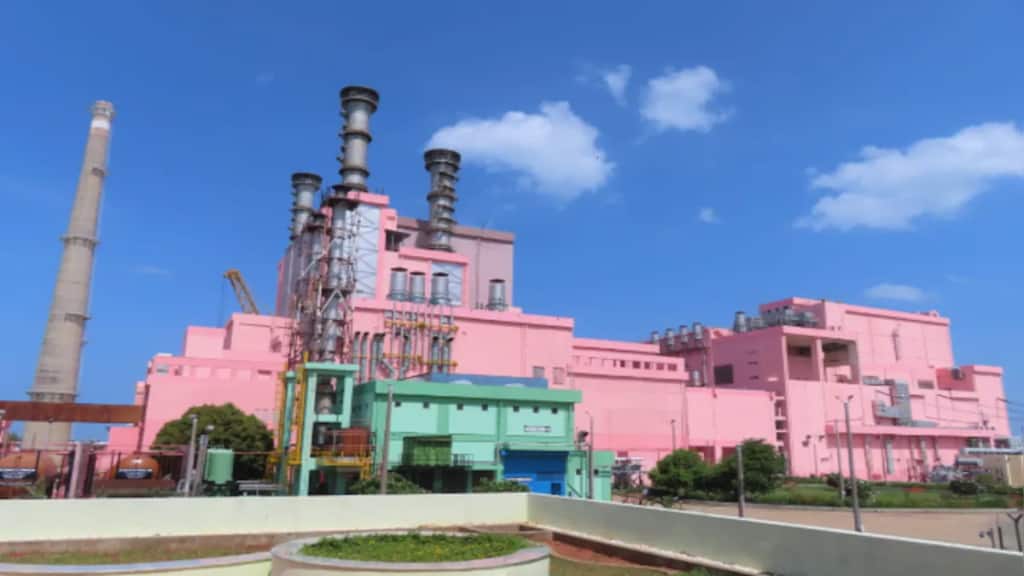
The PFBR is a 500 megawatt electric (MWe) reactor and is part of India’s three-stage nuclear power programme. The latest development represents the second stage of this long-term strategy. Photo: File
In addition, the reactor is designed as a “breeder”, meaning it produces more fuel than it consumes. It does this by using fast neutrons to convert uranium-238 in a surrounding blanket into plutonium-239, which can then be reused as fuel. This process of nuclear transmutation allows the reactor to generate fresh fissile material while producing energy, according to Indian Express.
The reactor has a capacity of 500 megawatt electric (MWe), enough to power several lakh homes, according to India Today. Attaining criticality means the reactor has achieved a self-sustaining nuclear chain reaction . This is where each fission event produces enough neutrons to sustain the process. It is a crucial milestone before electricity generation begins, confirming that the reactor core is functioning as designed, according to
Why this development is significant
This development is significant because it puts India on the path to entering a very elite club. Thus far, only Russia has a commercially operating fast breeder reactor programme, with its facility located at the Beloyarsk Nuclear Power Plant in the Ural Mountains.
Once the Kalpakkam reactor becomes fully operational, India will be only the second country to achieve this, especially as countries such as the United States, France and Japan have scaled back similar programmes due to technical and safety challenges, according to Indian Express.
More importantly, the reactor is central to India’s three-stage nuclear programme. The first stage relies on pressurised heavy water reactors (PHWRs) that use natural uranium and produce plutonium as a by-product.
The second stage — where the PFBR fits in — uses this plutonium to generate more fissile material. This is essential for building the inventory required for the third stage, which will be based on thorium. In this sense, fast breeder reactors act as the critical bridge between India’s current uranium-based systems and its future thorium-based energy programme, according to Indian Express.
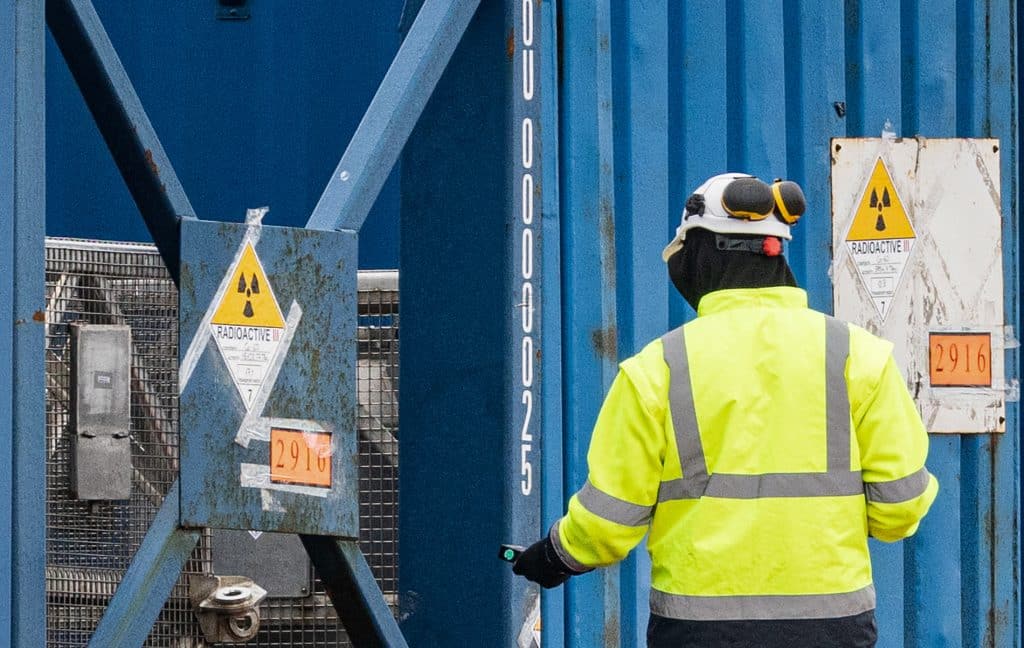
A worker prepares to unload several cylinders of uranium from the Russian cargo ships. AFP)
This is crucial because India has limited uranium reserves but one of the largest thorium deposits in the world. Thorium itself is not directly usable as fuel and must be converted into uranium-233. Fast breeder reactors enable this process by providing the necessary neutron environment, effectively unlocking India’s vast thorium potential, according to
The PFBR also significantly improves fuel efficiency. Unlike conventional reactors, which use only a small fraction of uranium’s energy potential, breeder reactors can extract far more energy by converting non-fissile material into usable fuel.
Another advantage is the reduction of nuclear waste. Since breeder reactors use and recycle spent fuel from earlier stages, they help reduce the volume of long-lived radioactive waste. This supports India’s “closed fuel cycle” approach, making nuclear power more sustainable over the long term.
The development also has implications for India’s energy security and climate goals. By reducing dependence on imported uranium and enabling the use of domestically available thorium, it strengthens long-term energy independence. At the same time, nuclear power provides a low-carbon source of electricity, supporting India’s transition away from fossil fuels.
Finally, the development highlights India’s growing technological capability. The PFBR has been designed and built domestically, overcoming significant engineering challenges over more than two decades. It demonstrates India’s ability to handle advanced nuclear technologies and strengthens its position in the global nuclear energy landscape, according to
FAQs
1) What does ‘criticality’ mean in a nuclear reactor?
Criticality refers to the stage where a nuclear reactor achieves a self-sustaining chain reaction. This means each fission event produces enough neutrons to trigger another, allowing the reaction to continue steadily without external input. It is a key milestone before electricity generation begins.
2) Why is the Kalpakkam fast breeder reactor important?
The reactor is crucial because it forms part of the second stage of India’s three-stage nuclear programme. It helps generate more nuclear fuel than it consumes and enables the production of materials needed for future thorium-based reactors, strengthening India’s energy security.
3) How are fast breeder reactors different from conventional reactors?
Unlike conventional reactors, which consume fuel, fast breeder reactors produce more fuel than they use. They achieve this by converting non-fissile materials like uranium-238 into usable fuel such as plutonium-239, making them more efficient and sustainable over the long term.
With inputs from agencies