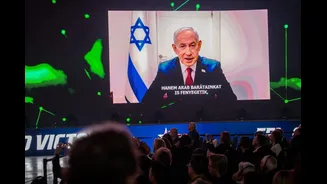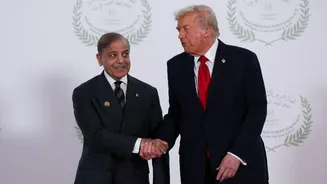









Tensions around the Iran ceasefire have taken a sharper turn, with Israel openly questioning Pakistan’s role in the negotiations.
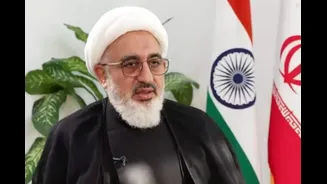
Israel’s envoy told news agency ANI that Pakistan cannot be seen as a “credible partner,” especially after confusion over whether Lebanon was included in the US-Iran ceasefire. The remarks come after Islamabad, which helped mediate the talks, suggested the truce applied broadly across the region, including Lebanon.
#WATCH | Delhi: On Pakistan's role as a mediator, Israel's Ambassador to India, Reuven Azar, said, "We don't see Pakistan as a credible player. I think that the United States has decided to use the services of the facilitation of Pakistan for their own reasons. We have seen in… pic.twitter.com/UErWPsTzzH
— ANI (@ANI) April 8, 2026
But Israel has firmly rejected that interpretation. Prime Minister Benjamin Netanyahu’s government has made it clear that the ceasefire applies only to Iran-related fronts and “does not include Lebanon”, meaning operations against Hezbollah will continue.
This disagreement has exposed a deeper diplomatic rift.
While Pakistan positioned itself as a key intermediary, Israeli officials appear frustrated that such a major detail was, in their view, either miscommunicated or misunderstood.
The confusion has also had real-world consequences. Even as the ceasefire came into effect, Israeli strikes in Lebanon continued, underlining how fragile—and limited—the truce actually is.
From Washington’s side, officials have tried to calm the situation, calling the issue a “misunderstanding” over the scope of the agreement.
Vice President JD Vance said Tehran's negotiators thought the US-Iran ceasefire included Lebanon, but the US had in fact not agreed to that https://t.co/TBVwAm5oIw pic.twitter.com/Vq1qAEMemf
— Reuters (@Reuters) April 8, 2026
Pakistan, however, seems to be basking in the limelight.
Sections of Pakistani media argue that the country’s diplomatic role in the US-Iran crisis deserves consideration for the Nobel Peace Prize. They claim Islamabad acted as a key intermediary, helping shift the situation from potential military escalation toward dialogue.
According to these reports, Pakistan provided a trusted communication channel between Washington and Tehran, contributing to stability during a volatile period that threatened global energy routes and markets.
Some narratives, citing the Iranian perspective, suggest awarding the prize to Prime Minister Shehbaz Sharif and Field Marshal Asim Munir would recognise efforts to promote cooperation, dialogue, and peaceful conflict resolution in a deeply polarised global environment.