





What is the story about?
A senior Iranian official has warned of a “decisive and painful” response following Israeli airstrikes on Beirut’s southern suburbs, marking the most serious escalation in Lebanon since a ceasefire took effect in mid-April.
Ebrahim Rezaei, spokesperson for the Iranian Parliament’s Foreign Policy and National Security Committee, issued the warning in a post on X after the strikes.
“We will give a decisive and painful response to the Zionist regime’s attack on the suburbs … Watch the sky of the occupied territories tonight,” Rezaei wrote, referring to Israel.
Iranian Parliament Speaker and chief negotiator Mohammad Bagher Ghalibaf also condemned the attack, saying US military bases and assets in the region had become “legitimate targets” following the strike.
Ghalibaf accused Israel and the United States of failing to uphold ceasefire commitments and pursuing military pressure instead of diplomacy.
“They are neither committed to a ceasefire nor believe in dialogue. Through the naval blockade and violations of agreements regarding Lebanon, they have shown that they only understand the language of power,” he said.
Last week, Tehran warned that any Israeli attack on Beirut would be viewed as a violation of the US-Iran ceasefire arrangement and could trigger a response against Israel.
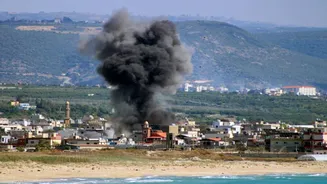
According to Lebanon’s state-run National News Agency, the Israeli strikes targeted two apartments in separate residential buildings in Beirut’s southern suburbs, an area widely regarded as a Hezbollah stronghold.
Initial reports said two people were killed and at least 11 others were injured in the attack.
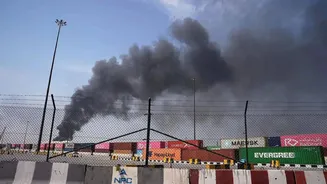
The strikes caused significant damage to nearby buildings, scattering debris across the area and prompting residents to flee amid fears of additional attacks.
In a statement, the office of Israeli Prime Minister Benjamin Netanyahu said the military had targeted Hezbollah “terrorist headquarters” in Beirut’s southern suburbs in response to rocket fire towards northern Israel.
Israel said it intercepted rockets launched towards its territory earlier on Sunday, although Hezbollah did not claim responsibility for the attack.
Israeli media reported that authorities were anticipating a limited retaliatory strike from Iran or Hezbollah following the Beirut operation.
The attack came just days after Hezbollah rejected a ceasefire proposal that had been backed by the Lebanese government and Israel.
While Washington had previously urged Israel to avoid strikes in Beirut, Israeli media reported that US officials were informed ahead of Sunday's operation.
The latest developments have heightened concerns over the stability of the ceasefire and the possibility of a broader regional escalation involving Israel, Hezbollah and Iran.
The latest round of fighting began on March 2 and has resulted in heavy casualties on both sides.
According to available figures, Israeli strikes have killed more than 3,600 people in Lebanon. Hezbollah attacks have killed at least 30 Israeli soldiers operating in Lebanon and three Israeli civilians.
The exchange of threats following the Beirut strikes has further raised fears that the conflict could widen despite ongoing diplomatic efforts to prevent a larger regional war.
Ebrahim Rezaei, spokesperson for the Iranian Parliament’s Foreign Policy and National Security Committee, issued the warning in a post on X after the strikes.
“We will give a decisive and painful response to the Zionist regime’s attack on the suburbs … Watch the sky of the occupied territories tonight,” Rezaei wrote, referring to Israel.
Iran says US assets could be targeted
Iranian Parliament Speaker and chief negotiator Mohammad Bagher Ghalibaf also condemned the attack, saying US military bases and assets in the region had become “legitimate targets” following the strike.
Ghalibaf accused Israel and the United States of failing to uphold ceasefire commitments and pursuing military pressure instead of diplomacy.
“They are neither committed to a ceasefire nor believe in dialogue. Through the naval blockade and violations of agreements regarding Lebanon, they have shown that they only understand the language of power,” he said.
Last week, Tehran warned that any Israeli attack on Beirut would be viewed as a violation of the US-Iran ceasefire arrangement and could trigger a response against Israel.
Israeli strike hits Hezbollah stronghold
According to Lebanon’s state-run National News Agency, the Israeli strikes targeted two apartments in separate residential buildings in Beirut’s southern suburbs, an area widely regarded as a Hezbollah stronghold.
Initial reports said two people were killed and at least 11 others were injured in the attack.
The strikes caused significant damage to nearby buildings, scattering debris across the area and prompting residents to flee amid fears of additional attacks.
Israel says operation was retaliatory
In a statement, the office of Israeli Prime Minister Benjamin Netanyahu said the military had targeted Hezbollah “terrorist headquarters” in Beirut’s southern suburbs in response to rocket fire towards northern Israel.
Israel said it intercepted rockets launched towards its territory earlier on Sunday, although Hezbollah did not claim responsibility for the attack.
Israeli media reported that authorities were anticipating a limited retaliatory strike from Iran or Hezbollah following the Beirut operation.
Ceasefire faces renewed pressure
The attack came just days after Hezbollah rejected a ceasefire proposal that had been backed by the Lebanese government and Israel.
While Washington had previously urged Israel to avoid strikes in Beirut, Israeli media reported that US officials were informed ahead of Sunday's operation.
The latest developments have heightened concerns over the stability of the ceasefire and the possibility of a broader regional escalation involving Israel, Hezbollah and Iran.
Conflict toll continues to rise
The latest round of fighting began on March 2 and has resulted in heavy casualties on both sides.
According to available figures, Israeli strikes have killed more than 3,600 people in Lebanon. Hezbollah attacks have killed at least 30 Israeli soldiers operating in Lebanon and three Israeli civilians.
The exchange of threats following the Beirut strikes has further raised fears that the conflict could widen despite ongoing diplomatic efforts to prevent a larger regional war.