








What is the story about?
Iran on Tuesday said that lifting sanctions, releasing frozen Iranian funds and ending the blockade were part of Tehran’s recent proposal to the United States, according to Iran’s state-run
Islamic Republic News Agency (IRNA).
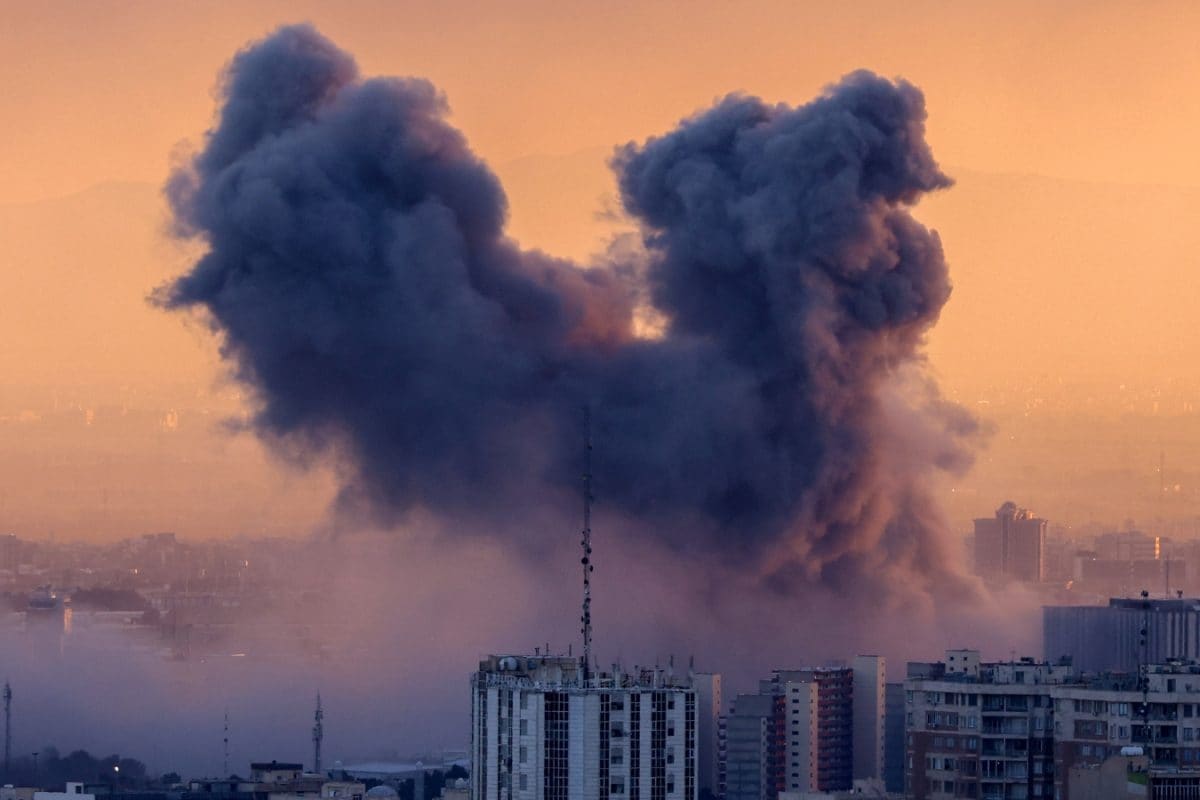
The remarks come as Iran and the United States remain engaged in diplomatic efforts following months of conflict and tensions in the region. Iran has been pushing for a long-term agreement aimed at permanently ending hostilities after the recent war involving the US and Israel.
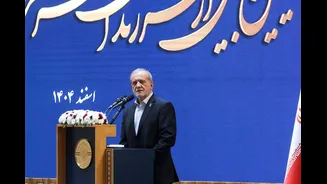
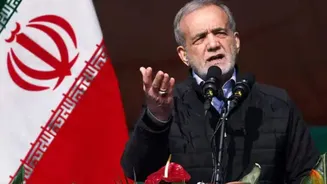
Earlier, Iranian President Masoud Pezeshkian said that Tehran would continue negotiations while protecting the country’s interests and national dignity.
In a post shared on X late Monday night, Pezeshkian said Iran would enter talks “with dignity and strength” and would not step back from what he described as the legitimate rights of the Iranian people.
“Dialogue does not mean surrender,” the President said, adding that Iran would continue to defend its national interests “with logic and with all our strength.”
The Iranian President made the comments as Tehran continues diplomatic engagement to end what it describes as a war imposed by the United States and Israel on February 28, 2026.
At the same time, a top Iranian military commander warned the United States and its allies against what he called “strategic miscalculations.”
In a statement released early Tuesday, Major General Mohammad Abdollahi said that Iran’s armed forces were currently more prepared and stronger than ever before.
He said that Iranian forces remained fully ready to respond to any fresh attack or violation against the country’s sovereignty. According to the statement, Abdollahi warned that any new aggression would receive a response “far more powerful” than what was seen during the recent conflict.
The commander also said that Iran would use its “full capacity” to defend national rights and confront any aggressor through military action if necessary.
The United States and Israel launched military operations against Iran on February 28, 2026. After 40 days of fighting, a two-week ceasefire between Iran and the US-Israeli coalition was declared on April 7.
Pakistan later hosted Iranian and American negotiators for talks aimed at reaching a broader agreement to end the conflict permanently.
Days ago, Pakistani interior minister Mohsin Naqvi travelled to Tehran and held discussions with top Iranian leadership. Post meeting, Pakistan handed over the revised 14-point peace proposal of Iran to the US administration. However, even after this, both sides have yet to reach a final deal.
The remarks come as Iran and the United States remain engaged in diplomatic efforts following months of conflict and tensions in the region. Iran has been pushing for a long-term agreement aimed at permanently ending hostilities after the recent war involving the US and Israel.
Earlier, Iranian President Masoud Pezeshkian said that Tehran would continue negotiations while protecting the country’s interests and national dignity.
‘Dialogue does not mean surrender’
In a post shared on X late Monday night, Pezeshkian said Iran would enter talks “with dignity and strength” and would not step back from what he described as the legitimate rights of the Iranian people.
گفتوگو به معنای تسلیم نیست. جمهوری اسلامی ایران با عزت، اقتدار و حفظ حقوق ملت وارد گفتوگو میشود و به هیچ عنوان از حقوق قانونی مردم و کشور عقبنشینی نمیکند. ما با منطق و با تمام توان، تا پای جان، در خدمت مردم و حافظ منافع و عزت ایران خواهیم بود.
— Masoud Pezeshkian (@drpezeshkian) May 18, 2026
“Dialogue does not mean surrender,” the President said, adding that Iran would continue to defend its national interests “with logic and with all our strength.”
The Iranian President made the comments as Tehran continues diplomatic engagement to end what it describes as a war imposed by the United States and Israel on February 28, 2026.
Iran military issues warning
At the same time, a top Iranian military commander warned the United States and its allies against what he called “strategic miscalculations.”
In a statement released early Tuesday, Major General Mohammad Abdollahi said that Iran’s armed forces were currently more prepared and stronger than ever before.
He said that Iranian forces remained fully ready to respond to any fresh attack or violation against the country’s sovereignty. According to the statement, Abdollahi warned that any new aggression would receive a response “far more powerful” than what was seen during the recent conflict.
The commander also said that Iran would use its “full capacity” to defend national rights and confront any aggressor through military action if necessary.
Ceasefire talks still unresolved
The United States and Israel launched military operations against Iran on February 28, 2026. After 40 days of fighting, a two-week ceasefire between Iran and the US-Israeli coalition was declared on April 7.
Pakistan later hosted Iranian and American negotiators for talks aimed at reaching a broader agreement to end the conflict permanently.
Days ago, Pakistani interior minister Mohsin Naqvi travelled to Tehran and held discussions with top Iranian leadership. Post meeting, Pakistan handed over the revised 14-point peace proposal of Iran to the US administration. However, even after this, both sides have yet to reach a final deal.