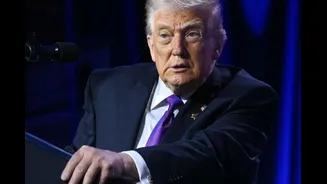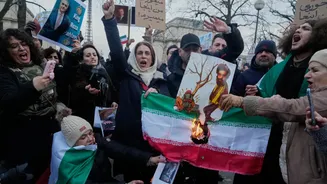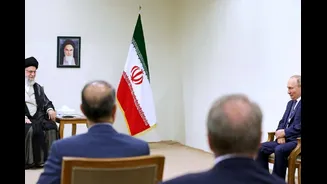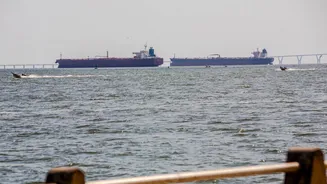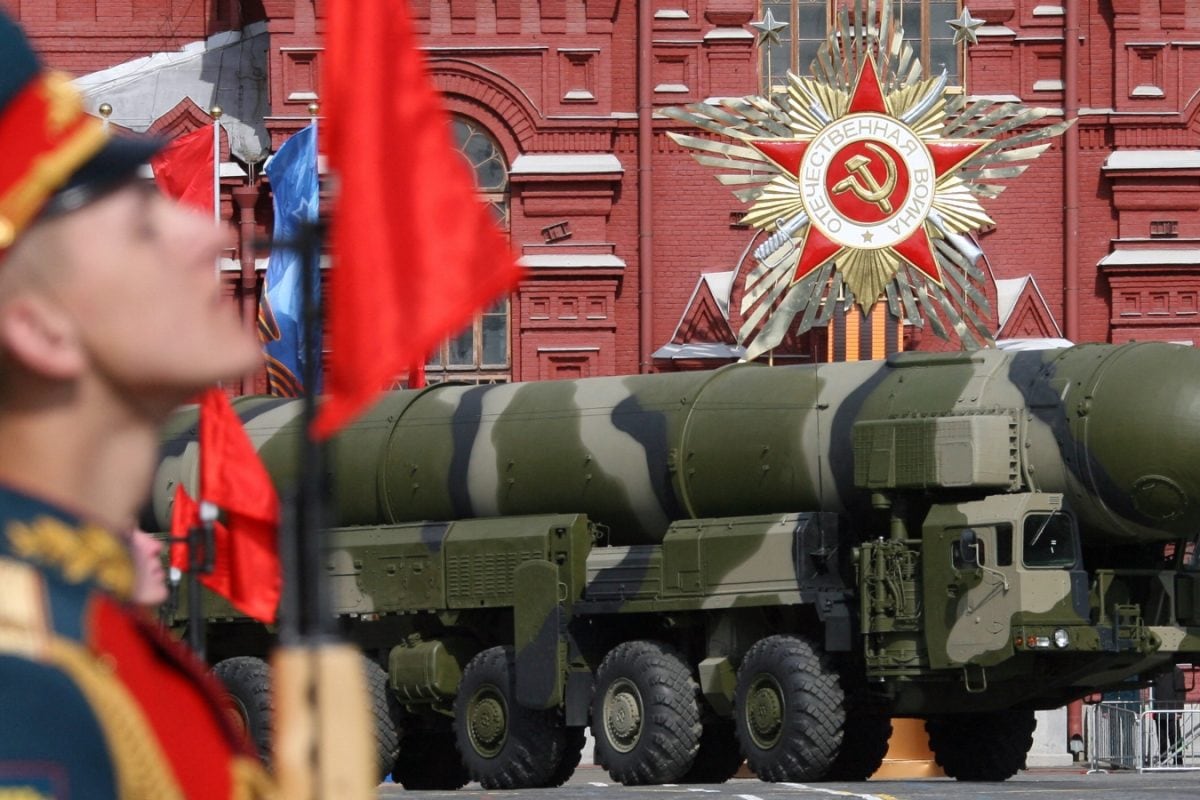

In recent weeks, Trump ordered a more aggressive federal crackdown on illegal immigration in Minnesota, which led to the shooting death of an unarmed woman by a federal agent. He also oversaw a daring military raid in Venezuela to capture President Nicolás Maduro, revived his controversial plan to take over Greenland, threatened military action against Iran, and dismissed concerns over a criminal investigation into Federal Reserve Chairman Jerome Powell.
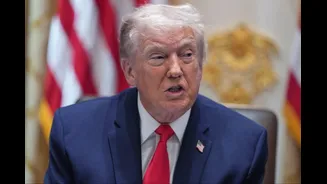
“I don't care,” Trump told Reuters in an Oval Office interview last week when asked about the potential economic fallout from the Powell probe. Speaking to The New York Times on 7 January, he said the only check on his authority as commander-in-chief to launch military strikes abroad was “my own morality.”
Taken together, Trump’s remarks underscore his view of the presidency as constrained primarily by his personal judgment rather than institutional limits.
White House spokeswoman Anna Kelly said that Trump’s first instinct is diplomacy and that he makes all decisions thoughtfully. She added, however, that he keeps “all options on the table” and chose to send US forces into Venezuela and to authorise strikes on Iranian nuclear sites after “both failed to negotiate in a serious way.”
When Trump returned to the White House on 20 January 2025 for his second term, he pledged to remake the economy, overhaul federal bureaucracy, tighten immigration policy, and influence much of American cultural life. Over the past year, he has delivered on much of that agenda, cementing his reputation as one of the most powerful presidents in modern US history.