



The Indian government has reaffirmed its commitment to the principle of unrestricted passage through one of the world's most vital maritime corridors. As the crisis in West Asia continues to evolve, New Delhi has voiced its concerns regarding the stability of energy supply routes that are essential for its national economy.
The Ministry of External Affairs has stepped forward to clarify its stance amidst growing international speculation that the terms of regional transit might be fundamentally altered. This development occurs at a time when global shipping is already under immense pressure due to ongoing geopolitical friction and the precarious nature of recent diplomatic agreements.
Advocacy for international maritime norms
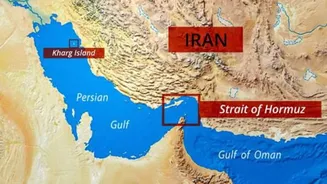
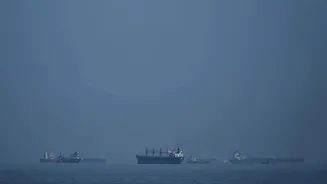
During a recent briefing focused on the instability within the Middle East, official representatives for India made it clear that the nation expects traditional shipping protocols to be upheld. The primary focus of these remarks was the Strait of Hormuz, which serves as a narrow but indispensable gateway for global trade.
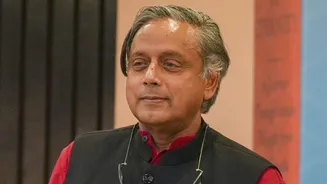
Addressing the current climate of uncertainty, the Ministry of External Affairs spokesperson Randhir Jaiswal noted, "Yes, we have also seen some reports…we continue to call for free and safe navigation through the Strait of Hormuz. We made this point in our statement yesterday as well, and continue to do so now as well." This persistent call for safety reflects India's broader strategic interest in ensuring that international waters remain outside the bounds of regional terrestrial disputes.
Clarification on transit fees and tolls
One of the most pressing issues discussed was the rumour that Tehran might seek to formalise a system of financial charges for vessels navigating the strait. Such a move would represent a significant departure from decades of established practice where the waterway has been treated as a free international passage. Indian officials were quick to dismiss any suggestions that they had entered into negotiations regarding such payments.
Jaiswal emphasised the lack of diplomatic movement on this front, stating, "There has been no discussion on this point between us and Iran…we continue to call for free and safe navigation." The government maintains that India flagged ships should not be subjected to arbitrary tolls that could further inflate the cost of energy and goods.
Energy security and the impact of congestion
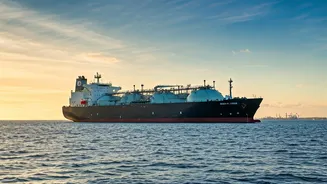
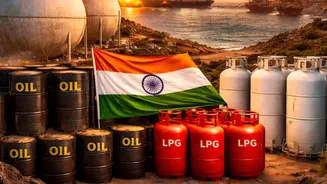
The strategic importance of this waterway cannot be overstated, as it facilitates the movement of nearly twenty per cent of the world's oil and liquefied natural gas. For a rapidly developing economy like India, any disruption or additional cost imposed on this route has immediate domestic consequences. Despite the existence of a temporary ceasefire, reports indicate that the flow of traffic remains sluggish and fraught with tension.
Many vessels destined for Indian ports are currently caught in a backlog, leading to significant logistical challenges. Indian diplomats are reportedly working through various channels to ensure that the limited window of the truce is utilised to clear these shipments and restore some semblance of normalcy to the energy supply chain.
Upholding global standards for waterways
As negotiations continue between various global powers and regional actors, India's position remains anchored in the belief that maritime corridors must be governed by universal laws rather than unilateral declarations. The official stance is that the Strait of Hormuz must remain accessible to all nations without condition.
While there is currently no official confirmation that steep charges will be implemented, the mere possibility has kept the international community on high alert. By repeatedly stressing the need for "free and safe navigation," New Delhi is aligning itself with global maritime norms and signaling that it will continue to advocate for the protection of its commercial interests on the high seas.