







What is the story about?
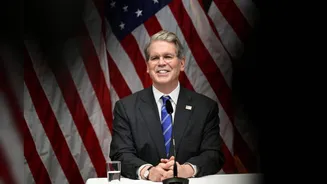
US Treasury Secretary Scott Bessent on Friday said Washington has seized nearly $1 billion in Iranian cryptocurrency assets as part of its ongoing economic pressure campaign against Tehran.
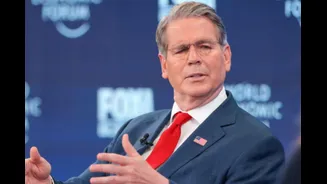
Speaking on Fox Business' Kudlow programme during the Reagan National Economic Forum, Bessent said the Trump administration's sanctions and asset seizure efforts under "Operation Economic Fury" have significantly weakened Iran's finances.
"I think between five and a half to six weeks of an incredibly successful military campaign and then Operation Economic Fury, where we have really cut them off, they are at the end of their tether now financially," Bessent said.
Bessent said the US had directly taken control of Iranian-linked cryptocurrency wallets worth around $1 billion.
"We have seized about a billion dollars of their crypto," he said. "Just outright grabbed the wallets. Some of them may be typing in right now and might not realise their wallet had been grabbed."
The figure represents the cumulative amount seized through multiple actions rather than a single operation. It includes a $344 million freeze of Tether (USDT) on the Tron blockchain in late April 2026, with total seizures later reported to have approached $500 million before increasing further.
Launched in March 2025, Operation Economic Fury is aimed at disrupting Iran's financial networks through sanctions, asset seizures and international cooperation.
According to Bessent, the US has worked with partners across Europe to target Iranian-linked properties and financial holdings abroad.
"We are working with our allies all over Europe to grab villas and houses and properties," he said. "And this is money that's stolen from the Iranian people."
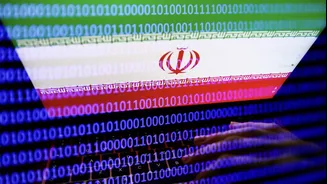
US officials have long accused Iran of using cryptocurrencies, particularly stablecoins, to move hundreds of millions of dollars each month and bypass restrictions imposed on its oil exports and military activities.
Bessent also claimed that recent military and economic pressure had significantly weakened Iran's leadership structure.
"We did not have regime change, but we changed the regime," he said.
He argued that senior levels of Iran's leadership had been removed, leaving lower-ranking officials to manage the country's affairs. Bessent added that Iran had further isolated itself by targeting Gulf Cooperation Council (GCC) states, which he said had become more willing to share information about financial networks linked to Iranian oil exports.
Speaking on Fox Business' Kudlow programme during the Reagan National Economic Forum, Bessent said the Trump administration's sanctions and asset seizure efforts under "Operation Economic Fury" have significantly weakened Iran's finances.
"I think between five and a half to six weeks of an incredibly successful military campaign and then Operation Economic Fury, where we have really cut them off, they are at the end of their tether now financially," Bessent said.
Nearly $1 billion in crypto assets seized
Bessent said the US had directly taken control of Iranian-linked cryptocurrency wallets worth around $1 billion.
"We have seized about a billion dollars of their crypto," he said. "Just outright grabbed the wallets. Some of them may be typing in right now and might not realise their wallet had been grabbed."
The figure represents the cumulative amount seized through multiple actions rather than a single operation. It includes a $344 million freeze of Tether (USDT) on the Tron blockchain in late April 2026, with total seizures later reported to have approached $500 million before increasing further.
Launched in March 2025, Operation Economic Fury is aimed at disrupting Iran's financial networks through sanctions, asset seizures and international cooperation.
According to Bessent, the US has worked with partners across Europe to target Iranian-linked properties and financial holdings abroad.
"We are working with our allies all over Europe to grab villas and houses and properties," he said. "And this is money that's stolen from the Iranian people."
US officials have long accused Iran of using cryptocurrencies, particularly stablecoins, to move hundreds of millions of dollars each month and bypass restrictions imposed on its oil exports and military activities.
Bessent says pressure 'significantly weakened' Iran's leadership
Bessent also claimed that recent military and economic pressure had significantly weakened Iran's leadership structure.
"We did not have regime change, but we changed the regime," he said.
He argued that senior levels of Iran's leadership had been removed, leaving lower-ranking officials to manage the country's affairs. Bessent added that Iran had further isolated itself by targeting Gulf Cooperation Council (GCC) states, which he said had become more willing to share information about financial networks linked to Iranian oil exports.