
Lakhs of people were left stranded at airports recently across India after thousands of flights were cancelled, many of them by IndiGo. India’s biggest airline faced mounting outrage and had to apologise to the public.
Many during the crisis pointed out how India’s aviation sector was essentially a duopoly, with IndiGo and Air India comprising over 90 per cent of the market. But India’s aviation sector may be getting some fresh competition fairly soon. This comes after the Ministry of Civil Aviation has given no objection certificates to three airlines – Al Hind Air, FlyExpress and Shankh Air.
“Over the last one week, pleased to have met teams from new airlines aspiring to take wings in Indian skies – Shankh Air, Al Hind Air and FlyExpress. While Shankh Air has already got the NOC from the Ministry, Al Hind Air and FlyExpress have received their NOCs this week,” Civil Aviation Minister K Rammohan Naidu said in a post on X on Tuesday.
But what do we know about the airlines? Who owns them? How will this benefit flyers?
Let’s take a closer look
Al Hind Air
Al Hind Air is owned by the Kerala-based Alhind Group.
The Alhind Group is a travel and tourism conglomerate with a turnover of Rs 20,000 crore. It was founded in the 1990s in Kerala’s Calicut. It has over 130 offices across the world, including several in India as well as the UAE, Saudi Arabia, Qatar, Oman, Kuwait and Bangladesh. It serves as the general sales agent for several airlines.
T Ahmed Haris is the director of the Alhind Group. Haris is said to have extensive experience in the travel and tourism industry and is also the founder general secretary of the Indian Haj Umrah Association.
PV Valsaraj is the group’s managing director. He is said to have more than a decade’s experience in the travel industry. Valsaraj was previously joint secretary of the Malabar Air Club, president of the ATA Agents Association of India (IAAI), and is the general secretary of the IAAI.
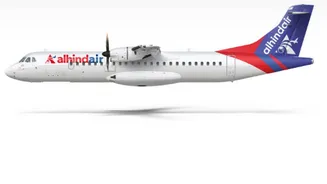
Al Hind Air will launch with two or three ATR 72-600 model aircraft, turboprop planes, and scale up to seven within a year. Operating from the Cochin International Airport (COK), the airline will focus on domestic and regional travel. It is eyeing Kochi–Bengaluru, Kochi–Mysuru and Kochi–Thiruvananthapuram–Chennai as its first routes.
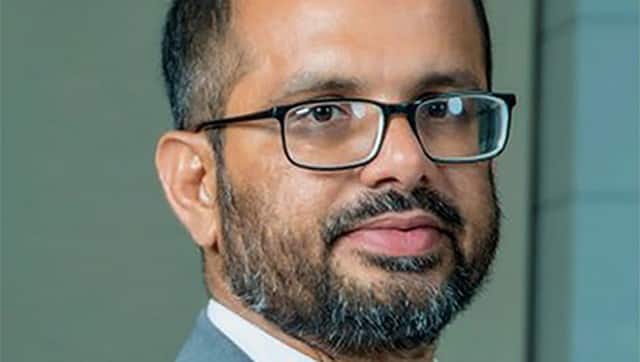
T Ahmed Haris, director of the Alhind Group, is a travel and tourism founder general secretary of the Indian Haj Umrah Association. Image courtesy: alhindair.com
It will introduce international routes, including to the Gulf nations, within two years. It is expected to use Airbus A320 aircraft and raise the strength of its fleet to around 20 aircraft. It will also engage in discussions with Boeing and Airbus for narrow-body aircraft that can seat between 100 and 240 people. There were reports that the initial investment in the airline was anywhere between Rs 200 and Rs 500 crore.
The Al Hind Air leadership team comprises Alexander Nwuba, chief financial advisor, who was previously at SkyWest, and Mohammed Abid Hussain, an engineering veteran from GM.
No detailed information has been made available about FlyExpress. It is reportedly backed by a courier and cargo services company from Hyderabad.
Shank Air
Shankh Air, which received its NOC from the civil aviation ministry earlier, is being launched by a Uttar Pradesh group called Shankh Aviation Private Limited. Its website describes its aim as becoming Uttar Pradesh’s leading full-service airline.
The carrier plans to operate from Noida International Airport and will fly to major cities within and outside Uttar Pradesh. This includes Lucknow, Varanasi, Gorakhpur, and key metros such as Delhi, Mumbai and Bengaluru. In a statement on Wednesday, Shankh Aviation said its aircraft are currently undergoing technical reviews and are being readied for delivery to India.
Shankh Aviation is chaired by Sharvan Kumar Vishwakarma, who is also its managing director. Vishwakarma was given the ET Leadership Excellence Award 2024 by The Times of India.
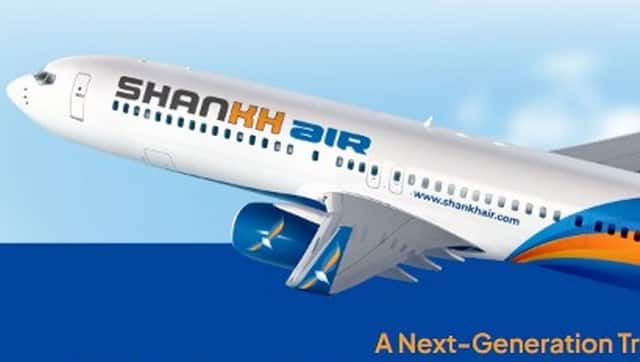
Shank Air's website describes its aim as becoming Uttar Pradesh’s leading full-service airline. Image courtesy: shankhair.com
Vishwakarma met Civil Aviation Minister K Rammohan Naidu on Monday and briefed him about the airline’s plans. Vishwakarma said the airline plans to launch its flight services around the first quarter of 2026. He also said the company aims to scale up its fleet to 20–25 aircraft over the next two to three years.
However, simply having an NOC isn’t the end of the road. The airlines must next get an Air Operator Certificate (AOC) from the Directorate General of Civil Aviation (DGCA) before they can begin flying passengers.
This is a demanding process wherein carriers must prove they have the financial backing, enough aircraft to begin operations, as well as trained pilots and crew, have safety systems in place, and have completed test flights under the DGCA’s direction.
How flyers will benefit
Experts say more competition will lead to more choice for consumers and bring down the cost of flights.
In the current situation, IndiGo and Air India have the power to set the rates for flights. Also, in cases where hundreds of flights are cancelled, it leaves passengers vulnerable to paying skyrocketing rates to get to their destinations. The current scene also leaves passengers at sea if one of the two major carriers faces operational issues for any reason – which is what happened to IndiGo, which failed to adjust to the new Flight Duty Time Limitation (FDTL) rules.
Industry experts agree that the situation exposed the dangers of relying too heavily on just two dominant carriers and highlighted the need for stronger competition. “IndiGo’s size has grown to the point where operational setbacks pose systemic risk,” said Harsh Vardhan, Chairman of Starair Consulting. Aviation veteran GR Gopinath, founder of low-cost airline Air Deccan, added, “A country cannot grow robustly with duopolies, or effective monopolies, in any sector.”
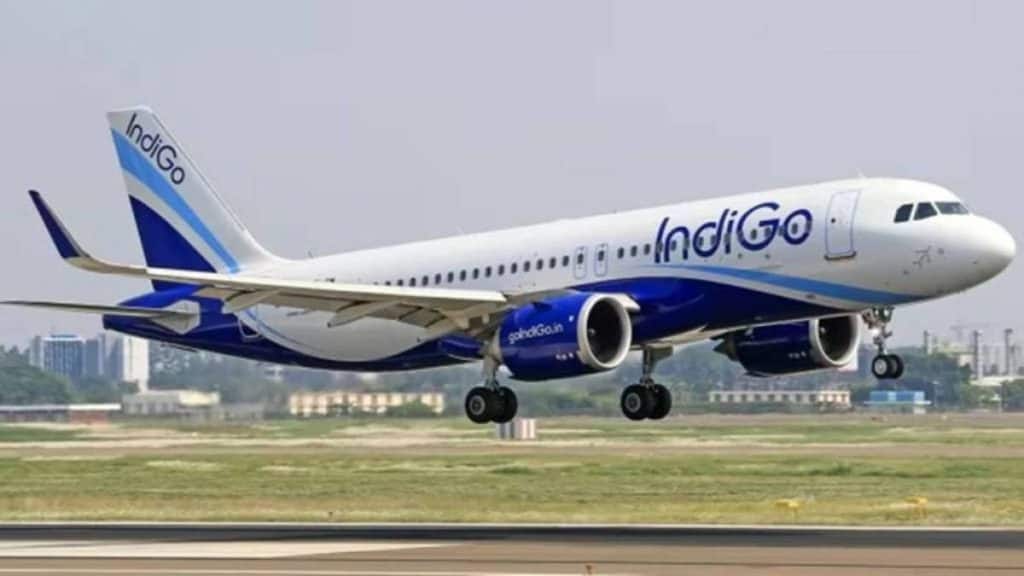
Lakhs of people were left stranded at airports recently across India after thousands of flights were canceled, many of them by IndiGo
Naidu had vowed to take “very, very strict” action against IndiGo. “If it comes to that, I will definitely sack the CEO and the senior leadership. Passenger safety and convenience come first,” he added.
“India should have at least five airlines with about 100 aircraft each. Over-dependence on one airline creates systemic risk,” Naidu was quoted as saying by The Times of India.
India has granted permits to six air operators since 2020 to begin operations, including some regional carriers, the government told lawmakers in July. There are currently nine domestic airlines which are operational. The number fell from double digits after regional carrier Fly Big ended its services.
With inputs from agencies