




What is the story about?
India and the United States have for months been trying to work out a trade deal.
Senior members of the Trump administration, including those in the White House, are said to be frustrated by the fact that the deal has not been closed. India, for its part, has insisted it will not cross certain red lines including opening its up its dairy and agricultural sectors.
However, now the US commerce secretary has shed some light on what may be behind the holdup. Treasury Secretary Howard Lutnick has said that US President Donald Trump “must be the closer”.
The development comes after Trump on Thursday approved a bill which allows the United States to impose sanctions as high as 500 per cent on countries that buy crude oil from Russia. Some in the Trump administration have accused India of filling Moscow’s coffers and essentially funding its war in Ukraine.
But what did Lutnick say? Are there any other examples? Is ego driving Trump’s trade deal closures?
Let’s take a closer look.
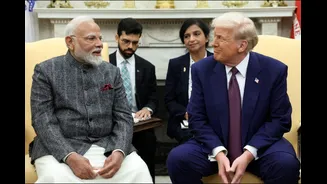
Lutnick has claimed that the trade deal between India and the United States was ready to go. However, it did not go ahead after Prime Minister Narendra Modi did not make a phone call to Trump to seal the deal.
“Let’s be clear, it’s his deal. He’s the closer. He does the deal. It’s all set up and you have got to have Modi call the President. And they were uncomfortable doing it,” Lutnick claimed on the All-In podcast. “So, Modi didn’t call.”
The trade talks fell apart last year and Trump doubled tariffs on Indian goods in August to 50 per cent, the world’s highest rate, including a levy of 25 per cent in retaliation for India’s purchases of Russian oil.
India still seeks a tariff rate between Washington’s offers to Britain and Vietnam that had formerly been agreed but the offer has expired, Lutnick claimed.
Treasury Secretary Scott Bessent last year explained Trump’s strategy in an interview with Bloomberg Television.
“President Trump is creating this leverage by saying: if you don’t want to negotiate with me, I’ve sent you a letter with a high rate. Have the high rate or come and negotiate in better fashion,” Bessent said.
The Ministry of External Affairs has responded to Lutnick's comments.
“We have seen the remarks. India and the US were committed to negotiating a bilateral trade agreement with the US as far back as 13 February last year. Since then, the two sides have held multiple rounds of negotiation to arrive at a balanced and mutually beneficial trade agreement. On several occasions, we have been close to a deal. The characterisation of these discussions in the reported remarks is not accurate. We remain interested in a mutually beneficial trade deal between two complementary economies and look forward to concluding it. Incidentally, Prime Minister and President Trump have also spoken on phone on 8 occasions during 2025, covering different aspects of our wide-ranging partnership”, the MEA said.
This isn’t the first example of Trump trying to drive a deal himself.
In the UK–US trade deal, wherein US tariffs were adjusted on steel, aluminium and cars and market access was expanded for some UK imports, it was a personal interaction between Starmer and Trump that was seemingly key to successfully closing the US–UK Economic Prosperity Deal.
According to the White House, Trump and Starmer were directly involved in the process, including making public announcements and statements at summits and bilateral meetings. The White House said Trump and Starmer discussed the bilateral trade relationship in a phone call in 2025 as part of consummating the deal. The announcement of the deal and the framework was also jointly made publicly by Trump and Starmer.
Starmer then publicly praised the trade agreement, saying that “the deals and investment being announced today break all records”.
“What a day, $340 billion (approximately Rs 30.67 trillion) flowing both ways across the Atlantic,” Starmer was quoted as saying by Time Magazine. “It is the biggest investment package of its kind in British history by a country mile.”
A press release from 10 Downing Street called it “the largest commercial package ever secured during a State Visit, underscoring the power of the UK–US economic partnership”.
Trump, in the aftermath of the deal,
paid homage to the “special” relationship between the two nations.
“It’s an unbreakable bond we have. Regardless of what we’re doing today, I think it’s unbreakable,” Trump said. “The United States and the United Kingdom have done more good on this planet than any two nations in human history.”
It certainly seems that way. Trump has spent the past few decades emphasising his persona and brand as a ‘dealmaker’. However, when it comes to trade deals, much of the heavy lifting is done by vast teams of experts rather than the leaders themselves.
Some have been critical of Trump’s approach to deal-making.
A piece in The Guardian noted, “Trump’s entire career is built on deals, and his own narcissism is tied up with dealmaking. This is because of his early socialisation into his father’s real-estate dealings in and around New York.”
“Because deals are personal, adversarial and incomplete, they are perfect grist for Trump’s relentless publicity machine, and allow him to polish his brand, massage his ego and signal his prowess to opponents – without the regulations and measurable consequences of regular market risks. The downside risk for an aborted or interrupted deal is negligible, and the upside is guaranteed by the legal power of fully completed contracts,” the article concluded.
Others have been even more sceptical.
An article in Project Syndicate described Trump’s negotiation approach as “flawed”.
“…Trump sees cooperation as weakness. In his view, any gesture of goodwill is a concession, and every negotiation is an antagonistic contest over short-term gains. This mindset is fundamentally mismatched with the demands of modern diplomacy,” the piece noted. “Negotiators with a win–lose mindset often assume that unpredictability gives them an edge; in fact, it just creates confusion, alienates partners, and risks destructive escalation.”
It ended with a dire warning: “Trump’s win–lose approach to dealmaking has already begun to unravel America’s carefully cultivated international relationships.”
With inputs from agencies
Senior members of the Trump administration, including those in the White House, are said to be frustrated by the fact that the deal has not been closed. India, for its part, has insisted it will not cross certain red lines including opening its up its dairy and agricultural sectors.
However, now the US commerce secretary has shed some light on what may be behind the holdup. Treasury Secretary Howard Lutnick has said that US President Donald Trump “must be the closer”.
The development comes after Trump on Thursday approved a bill which allows the United States to impose sanctions as high as 500 per cent on countries that buy crude oil from Russia. Some in the Trump administration have accused India of filling Moscow’s coffers and essentially funding its war in Ukraine.
But what did Lutnick say? Are there any other examples? Is ego driving Trump’s trade deal closures?
Let’s take a closer look.
What Lutnick said
Lutnick has claimed that the trade deal between India and the United States was ready to go. However, it did not go ahead after Prime Minister Narendra Modi did not make a phone call to Trump to seal the deal.
“Let’s be clear, it’s his deal. He’s the closer. He does the deal. It’s all set up and you have got to have Modi call the President. And they were uncomfortable doing it,” Lutnick claimed on the All-In podcast. “So, Modi didn’t call.”
The trade talks fell apart last year and Trump doubled tariffs on Indian goods in August to 50 per cent, the world’s highest rate, including a levy of 25 per cent in retaliation for India’s purchases of Russian oil.
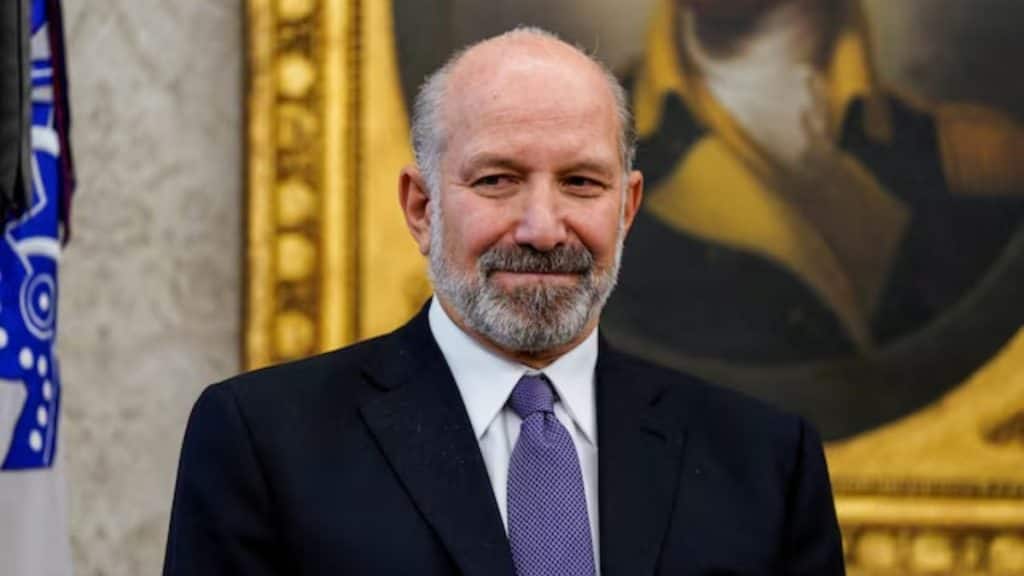
US Treasury Secretary Howard Lutnick. File Image- Reuters
India still seeks a tariff rate between Washington’s offers to Britain and Vietnam that had formerly been agreed but the offer has expired, Lutnick claimed.
Treasury Secretary Scott Bessent last year explained Trump’s strategy in an interview with Bloomberg Television.
“President Trump is creating this leverage by saying: if you don’t want to negotiate with me, I’ve sent you a letter with a high rate. Have the high rate or come and negotiate in better fashion,” Bessent said.
The Ministry of External Affairs has responded to Lutnick's comments.
“We have seen the remarks. India and the US were committed to negotiating a bilateral trade agreement with the US as far back as 13 February last year. Since then, the two sides have held multiple rounds of negotiation to arrive at a balanced and mutually beneficial trade agreement. On several occasions, we have been close to a deal. The characterisation of these discussions in the reported remarks is not accurate. We remain interested in a mutually beneficial trade deal between two complementary economies and look forward to concluding it. Incidentally, Prime Minister and President Trump have also spoken on phone on 8 occasions during 2025, covering different aspects of our wide-ranging partnership”, the MEA said.
UK–US trade deal
This isn’t the first example of Trump trying to drive a deal himself.
In the UK–US trade deal, wherein US tariffs were adjusted on steel, aluminium and cars and market access was expanded for some UK imports, it was a personal interaction between Starmer and Trump that was seemingly key to successfully closing the US–UK Economic Prosperity Deal.
According to the White House, Trump and Starmer were directly involved in the process, including making public announcements and statements at summits and bilateral meetings. The White House said Trump and Starmer discussed the bilateral trade relationship in a phone call in 2025 as part of consummating the deal. The announcement of the deal and the framework was also jointly made publicly by Trump and Starmer.
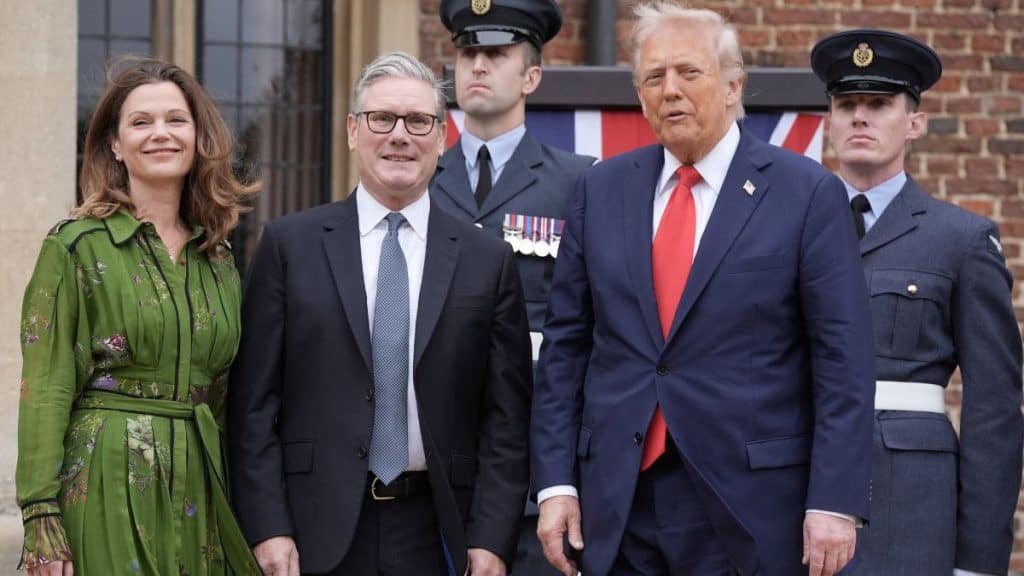
British Prime Minister Sir Keir Starmer (2nd left) and Lady Victoria Starmer greet US President Donald Trump at Chequers, near Aylesbury in Buckinghamshire, on day two of the president's second state visit to the United Kingdom, on September 18, 2025. (Photo: Stefan Rousseau/Pool via Reuters)
Starmer then publicly praised the trade agreement, saying that “the deals and investment being announced today break all records”.
“What a day, $340 billion (approximately Rs 30.67 trillion) flowing both ways across the Atlantic,” Starmer was quoted as saying by Time Magazine. “It is the biggest investment package of its kind in British history by a country mile.”
A press release from 10 Downing Street called it “the largest commercial package ever secured during a State Visit, underscoring the power of the UK–US economic partnership”.
Trump, in the aftermath of the deal,
“It’s an unbreakable bond we have. Regardless of what we’re doing today, I think it’s unbreakable,” Trump said. “The United States and the United Kingdom have done more good on this planet than any two nations in human history.”
Is ego driving Trump’s trade deal closures?
It certainly seems that way. Trump has spent the past few decades emphasising his persona and brand as a ‘dealmaker’. However, when it comes to trade deals, much of the heavy lifting is done by vast teams of experts rather than the leaders themselves.
Some have been critical of Trump’s approach to deal-making.
A piece in The Guardian noted, “Trump’s entire career is built on deals, and his own narcissism is tied up with dealmaking. This is because of his early socialisation into his father’s real-estate dealings in and around New York.”
“Because deals are personal, adversarial and incomplete, they are perfect grist for Trump’s relentless publicity machine, and allow him to polish his brand, massage his ego and signal his prowess to opponents – without the regulations and measurable consequences of regular market risks. The downside risk for an aborted or interrupted deal is negligible, and the upside is guaranteed by the legal power of fully completed contracts,” the article concluded.
Others have been even more sceptical.
An article in Project Syndicate described Trump’s negotiation approach as “flawed”.
“…Trump sees cooperation as weakness. In his view, any gesture of goodwill is a concession, and every negotiation is an antagonistic contest over short-term gains. This mindset is fundamentally mismatched with the demands of modern diplomacy,” the piece noted. “Negotiators with a win–lose mindset often assume that unpredictability gives them an edge; in fact, it just creates confusion, alienates partners, and risks destructive escalation.”
It ended with a dire warning: “Trump’s win–lose approach to dealmaking has already begun to unravel America’s carefully cultivated international relationships.”
With inputs from agencies