




What is the story about?
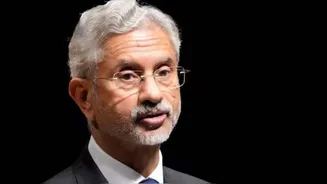
India’s External Affairs Minister S. Jaishankar is set to visit the United Arab Emirates to meet his Emirati counterpart and other senior leaders, as both countries step up diplomatic engagement following the recent ceasefire in the Iran conflict.
The announcement of the visit comes hours after the United States and Iran agreed to a ceasefire, offering a brief pause in hostilities after nearly a month of tensions in West Asia.
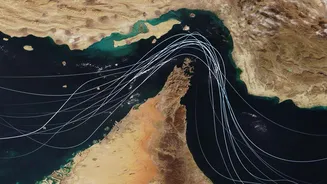
Following the ceasefire, India and the UAE are likely to coordinate their efforts on regional stability, energy security and safe navigation in the region, especially through the Strait of Hormuz.
India and the UAE have remained in close contact throughout the conflict, maintaining communication at both leadership and foreign minister level. Notably, the UAE foreign minister had also made a quick visit to India during the peak of the crisis, underlining the importance both sides attach to the relationship.
Jaishankar has also held multiple conversations with leaders from the UAE, Iran and other Gulf countries in recent days, focusing on de-escalation, energy supplies and regional security.
India has also been closely monitoring the situation due to its strong economic and energy ties with the Gulf region.
After nearly a month of hostile attacks on each other, the recent ceasefire between the US and Iran has brought some relief to global energy markets.
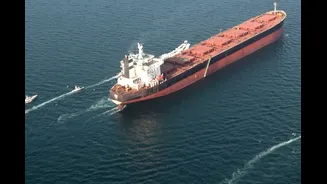
The conflict, which began on February 28, had disrupted global oil and gas supplies and raised concerns over the safety of key shipping routes such as the Strait of Hormuz.
India, which relies heavily on energy imports from West Asia, has a major stake in ensuring stability in the region. Jaishankar’s visit is expected to further strengthen coordination with the UAE on these issues, while also reinforcing the broader strategic partnership between the two countries.
As the situation remains fragile, both India and the UAE are likely to work closely to support peace efforts in the region and prevent further escalation in the Gulf.
The announcement of the visit comes hours after the United States and Iran agreed to a ceasefire, offering a brief pause in hostilities after nearly a month of tensions in West Asia.
Following the ceasefire, India and the UAE are likely to coordinate their efforts on regional stability, energy security and safe navigation in the region, especially through the Strait of Hormuz.
Ongoing diplomatic dialogue
India and the UAE have remained in close contact throughout the conflict, maintaining communication at both leadership and foreign minister level. Notably, the UAE foreign minister had also made a quick visit to India during the peak of the crisis, underlining the importance both sides attach to the relationship.
Jaishankar has also held multiple conversations with leaders from the UAE, Iran and other Gulf countries in recent days, focusing on de-escalation, energy supplies and regional security.
India has also been closely monitoring the situation due to its strong economic and energy ties with the Gulf region.
Ceasefire after a month
After nearly a month of hostile attacks on each other, the recent ceasefire between the US and Iran has brought some relief to global energy markets.
The conflict, which began on February 28, had disrupted global oil and gas supplies and raised concerns over the safety of key shipping routes such as the Strait of Hormuz.
India, which relies heavily on energy imports from West Asia, has a major stake in ensuring stability in the region. Jaishankar’s visit is expected to further strengthen coordination with the UAE on these issues, while also reinforcing the broader strategic partnership between the two countries.
As the situation remains fragile, both India and the UAE are likely to work closely to support peace efforts in the region and prevent further escalation in the Gulf.