








What is the story about?
When elephants returned to Maharashtra’s Gadchiroli district in 2021 after decades of absence, they brought fear and uncertainty to farming communities. “We had only heard stories from our grandparents, never lived around them,” said Bhima Potavi, a farmer from Arewada. Crop protection systems were weak. Conflict response mechanisms barely existed. Yet coexistence was now no longer optional.
Gadchiroli is not an isolated case. Across India, large mammals are increasingly turning up beyond the habitats they were once associated with. Leopards are living along urban edges in Maharashtra and Madhya Pradesh. Wolves and tigers are increasingly persisting in agricultural landscapes outside protected areas in Uttar Pradesh. Elephants are moving into newer parts of central and eastern India.
India’s protected areas currently cover a little over five per cent of the country’s geographical area. And across the country, national parks, wildlife corridors, and species management plans have been designed around historical ranges and forested landscapes. But mounting ecological pressure is increasingly pushing animals beyond those boundaries.
“Large mammals such as big cats and mega-herbivores are traditionally associated with forested habitats, but increasing anthropogenic pressures, including urbanisation, infrastructure development, habitat fragmentation, and ecological degradation, are shrinking viable habitats and resources for them,” says Devvrat Singh, a conservation biologist.
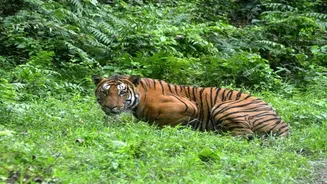
In some regions, rising wildlife densities and low prey availability inside protected areas are intensifying these pressures and pushing them to disperse outward. For instance, as per the National Tiger Conservation Authority, roughly one-third of
India’s tigers are now found outside tiger reserves.
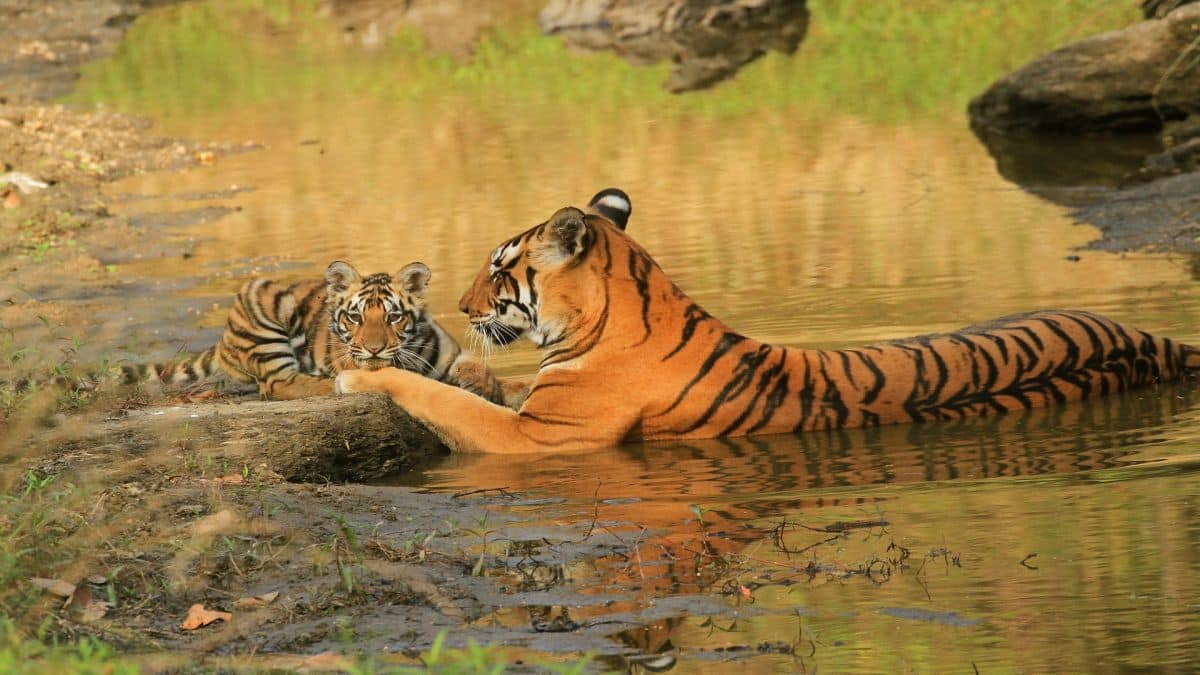
Human-dominated landscapes, on the other hand, offer new opportunities for survival. “The abundance of livestock, which is the easiest prey source for carnivores, inappropriate disposal of human refuse, and land-use patterns around protected areas provide wildlife with abundant resources and refuge for their persistence,” says Singh.
For example, a long-term study in western Maharashtra found that leopards extensively used sugarcane plantations as a surrogate habitat, breeding and raising cubs in landscapes dominated by agriculture and human settlements. Especially around Junnar near Pune, leopard density was found to be comparable to that of the Tadoba-Andhari Tiger Reserve in Maharashtra’s Chandrapur district.
Fragmentation is further accelerating these shifts. Infrastructure development is increasingly restricting mammalian movement globally, including across South Asia. In India, highways, railway lines, mining projects, and expanding urbanisation are cutting across both old and emerging wildlife routes, often forcing animals closer to human settlements.
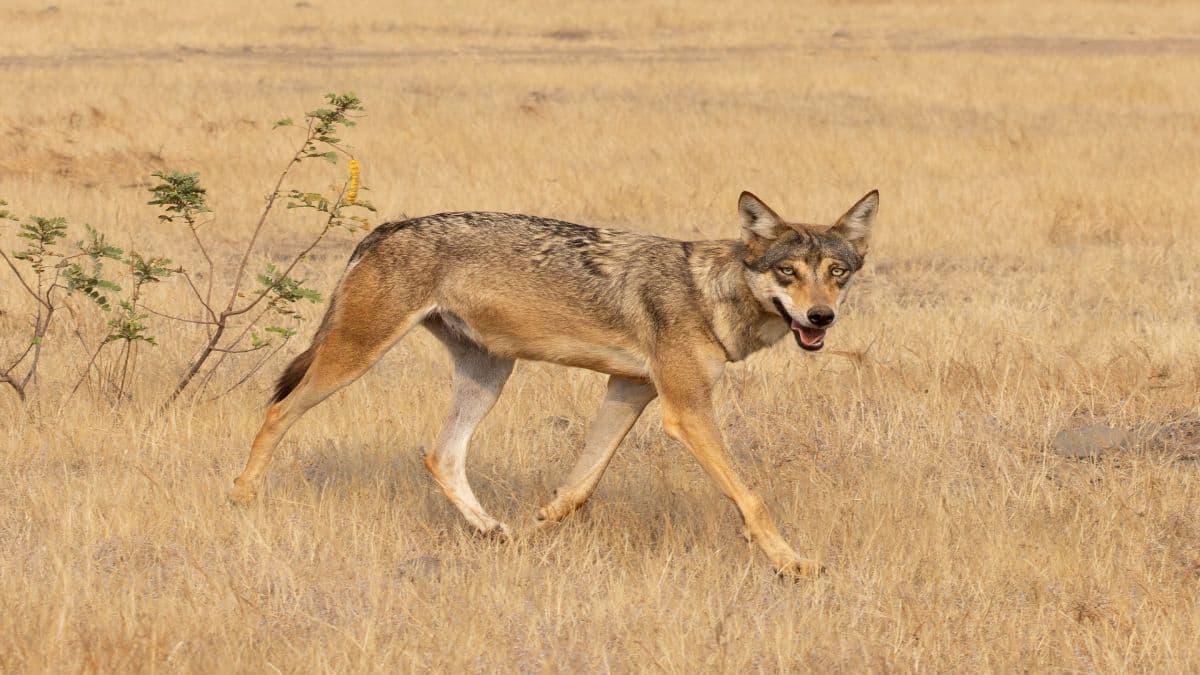
The pattern is not limited to charismatic species such as tigers and elephants. A recent International Union for Conservation of Nature (IUCN) assessment raised concerns about the Indian wolf population and the continued loss and fragmentation of its grassland habitat.
“It is important to note that several synanthropic species (animals adapted to human-use landscapes), such as wolves and nilgai, already utilise areas outside the protected area network,” says Singh.
Climate change further intensifies these pressures. Research from Himalayan ecosystems has documented species shifting ranges and movement patterns in response to altered rainfall and rising temperatures.
It is also helping invasive species thrive and reshape habitats. One of the most widespread is Lantana camara, a dense invasive shrub now found across large parts of India’s tiger and elephant habitats. It suppresses native vegetation.
Lakshminarayanan Natarajan, a conservationist, says these changes are already affecting how elephants use landscapes. “Lantana is inedible and reduces food availability. For a megaherbivore like the elephant, its spread is equivalent to habitat loss,” he says.
Yet much of India’s conservation framework remains focused on static protected areas. “Traditional approaches such as corridors and rewilding are necessary, but the rising concern is the narrowing human-wildlife interface,” says Singh. “Current approaches fail to adequately address behavioural adaptations, growing reliance on human subsidies, and the mixed-use landscapes that increasingly provide usable spaces for several species. They are particularly inadequate for conserving synanthropic species whose persistence is closely linked to human-use landscapes.”
Increasingly, experts say India’s wildlife future will depend less on isolated forest islands and more on managing shared landscapes such as farms, scrublands, infrastructure corridors, and peri-urban spaces where humans and wildlife now coexist uneasily. It would require more adaptive governance, including stronger land-use planning, better inter-departmental coordination, local community participation, and infrastructure mitigation measures that function at a landscape scale rather than as isolated fixes.
“Infrastructure projects such as roads and railways need careful planning with real mitigation, not piecemeal fixes. We need a regional landscape plan, not isolated projects. Protecting existing corridors and restoring lost ones must be a top priority,” says Natarajan.
To this end, globally, frameworks such as Other Effective Area-Based Conservation Measures (OECMs) and community-led conservation models are increasingly being explored to protect biodiversity beyond conventional protected areas. “The future of wildlife conservation lies beyond protected areas, making it far more challenging than it is today,” says Singh.
Gadchiroli is not an isolated case. Across India, large mammals are increasingly turning up beyond the habitats they were once associated with. Leopards are living along urban edges in Maharashtra and Madhya Pradesh. Wolves and tigers are increasingly persisting in agricultural landscapes outside protected areas in Uttar Pradesh. Elephants are moving into newer parts of central and eastern India.
Why animals are moving
India’s protected areas currently cover a little over five per cent of the country’s geographical area. And across the country, national parks, wildlife corridors, and species management plans have been designed around historical ranges and forested landscapes. But mounting ecological pressure is increasingly pushing animals beyond those boundaries.
“Large mammals such as big cats and mega-herbivores are traditionally associated with forested habitats, but increasing anthropogenic pressures, including urbanisation, infrastructure development, habitat fragmentation, and ecological degradation, are shrinking viable habitats and resources for them,” says Devvrat Singh, a conservation biologist.
In some regions, rising wildlife densities and low prey availability inside protected areas are intensifying these pressures and pushing them to disperse outward. For instance, as per the National Tiger Conservation Authority, roughly one-third of
Roughly one-third of India’s tigers are now found outside tiger reserves. Image Courtesy: Davidvraju via Wikimedia Commons
Human-dominated landscapes, on the other hand, offer new opportunities for survival. “The abundance of livestock, which is the easiest prey source for carnivores, inappropriate disposal of human refuse, and land-use patterns around protected areas provide wildlife with abundant resources and refuge for their persistence,” says Singh.
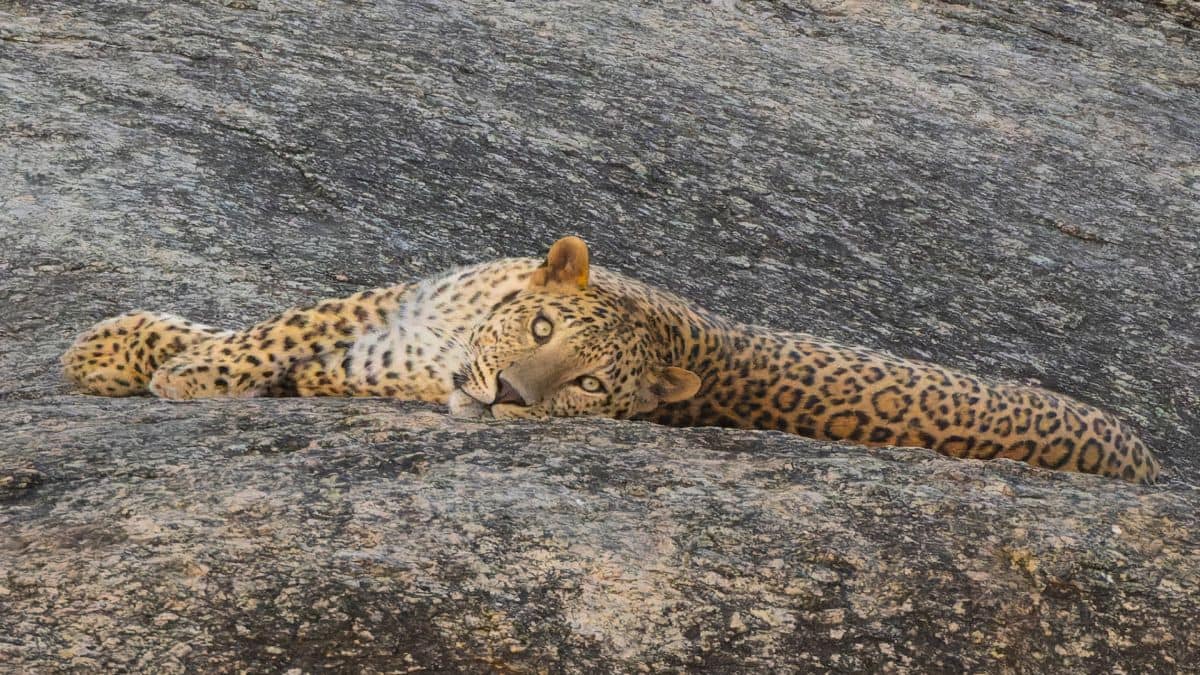
For example, a long-term study in western Maharashtra found that leopards extensively used sugarcane plantations as a surrogate habitat, breeding and raising cubs in landscapes dominated by agriculture and human settlements. Especially around Junnar near Pune, leopard density was found to be comparable to that of the Tadoba-Andhari Tiger Reserve in Maharashtra’s Chandrapur district.
Leopards are living along urban edges in Maharashtra and Madhya Pradesh. Image Courtesy: Tisha_Mukherjee via Wikimedia Commons
Fragmentation is further accelerating these shifts. Infrastructure development is increasingly restricting mammalian movement globally, including across South Asia. In India, highways, railway lines, mining projects, and expanding urbanisation are cutting across both old and emerging wildlife routes, often forcing animals closer to human settlements.
The pattern is not limited to charismatic species such as tigers and elephants. A recent International Union for Conservation of Nature (IUCN) assessment raised concerns about the Indian wolf population and the continued loss and fragmentation of its grassland habitat.
“It is important to note that several synanthropic species (animals adapted to human-use landscapes), such as wolves and nilgai, already utilise areas outside the protected area network,” says Singh.
Climate pressures and changing habitats
Climate change further intensifies these pressures. Research from Himalayan ecosystems has documented species shifting ranges and movement patterns in response to altered rainfall and rising temperatures.
It is also helping invasive species thrive and reshape habitats. One of the most widespread is Lantana camara, a dense invasive shrub now found across large parts of India’s tiger and elephant habitats. It suppresses native vegetation.
Synanthropic species (animals adapted to human-use landscapes), such as wolves and nilgai, already utilise areas outside the protected area network. Image Courtesy: Tisha_Mukherjee via Wikimedia Commons
Lakshminarayanan Natarajan, a conservationist, says these changes are already affecting how elephants use landscapes. “Lantana is inedible and reduces food availability. For a megaherbivore like the elephant, its spread is equivalent to habitat loss,” he says.
Conservation beyond protected areas
Yet much of India’s conservation framework remains focused on static protected areas. “Traditional approaches such as corridors and rewilding are necessary, but the rising concern is the narrowing human-wildlife interface,” says Singh. “Current approaches fail to adequately address behavioural adaptations, growing reliance on human subsidies, and the mixed-use landscapes that increasingly provide usable spaces for several species. They are particularly inadequate for conserving synanthropic species whose persistence is closely linked to human-use landscapes.”
Increasingly, experts say India’s wildlife future will depend less on isolated forest islands and more on managing shared landscapes such as farms, scrublands, infrastructure corridors, and peri-urban spaces where humans and wildlife now coexist uneasily. It would require more adaptive governance, including stronger land-use planning, better inter-departmental coordination, local community participation, and infrastructure mitigation measures that function at a landscape scale rather than as isolated fixes.
“Infrastructure projects such as roads and railways need careful planning with real mitigation, not piecemeal fixes. We need a regional landscape plan, not isolated projects. Protecting existing corridors and restoring lost ones must be a top priority,” says Natarajan.
To this end, globally, frameworks such as Other Effective Area-Based Conservation Measures (OECMs) and community-led conservation models are increasingly being explored to protect biodiversity beyond conventional protected areas. “The future of wildlife conservation lies beyond protected areas, making it far more challenging than it is today,” says Singh.