





What is the story about?
The United States is set to obtain sovereignty over areas of Greenland where its military bases are located, President Donald Trump told the New York Post, in a potentially historic shift in Arctic geopolitics. Trump said Washington would secure “everything we want” in negotiations over the strategically vital territory that hosts key US installations.
Trump’s comments come amid ongoing discussions with Denmark and NATO partners about a possible framework allowing the US to hold sovereignty only over the specific Greenlandic parcels containing American bases, a model reportedly similar to Britain’s sovereign base areas in Cyprus.
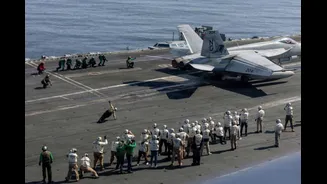
Officials have emphasised that the intent is to safeguard long-term US military access in Greenland, particularly at sites like Pituffik Space Base, which play significant roles in regional defence and early warning systems. American leaders fear that if Greenland were to move toward full independence, existing access agreements could be renegotiated or restricted.
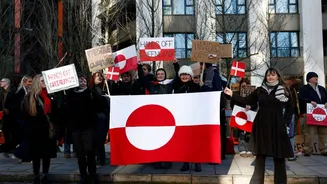
However, the proposal has drawn firm resistance. Greenland’s premier, Jens-Frederik Nielsen has made clear that granting sovereignty to the US over Greenlandic territory is a “red line,” highlighting widespread local opposition to any erosion of self-rule. Likewise, Danish authorities have insisted that Greenland’s sovereignty is not up for negotiation, reaffirming Denmark’s jurisdiction over the island and its determination to preserve international law and territorial integrity.
Meanwhile, Greenland and Denmark have formed a united front to face down US President Donald Trump, momentarily setting aside the troubled history between them.
The Arctic island, a Danish colony for three centuries, still has a complicated relationship with Denmark, which now rules it as an autonomous territory.
Greenland's main political parties all want independence, but disagree on how exactly to get there. Trump's designs on the island led them to forge a coalition government in March last year.
Greenland's leaders made clear last week they had no interest in Trump's bid to take over the vast island -- an idea he pushed hard, before backing off on Wednesday after reaching what he called a framework deal on Arctic security with NATO's secretary-general.
With inputs from agencies
Trump’s comments come amid ongoing discussions with Denmark and NATO partners about a possible framework allowing the US to hold sovereignty only over the specific Greenlandic parcels containing American bases, a model reportedly similar to Britain’s sovereign base areas in Cyprus.
Officials have emphasised that the intent is to safeguard long-term US military access in Greenland, particularly at sites like Pituffik Space Base, which play significant roles in regional defence and early warning systems. American leaders fear that if Greenland were to move toward full independence, existing access agreements could be renegotiated or restricted.
However, the proposal has drawn firm resistance. Greenland’s premier, Jens-Frederik Nielsen has made clear that granting sovereignty to the US over Greenlandic territory is a “red line,” highlighting widespread local opposition to any erosion of self-rule. Likewise, Danish authorities have insisted that Greenland’s sovereignty is not up for negotiation, reaffirming Denmark’s jurisdiction over the island and its determination to preserve international law and territorial integrity.
Meanwhile, Greenland and Denmark have formed a united front to face down US President Donald Trump, momentarily setting aside the troubled history between them.
The Arctic island, a Danish colony for three centuries, still has a complicated relationship with Denmark, which now rules it as an autonomous territory.
Greenland's main political parties all want independence, but disagree on how exactly to get there. Trump's designs on the island led them to forge a coalition government in March last year.
Greenland's leaders made clear last week they had no interest in Trump's bid to take over the vast island -- an idea he pushed hard, before backing off on Wednesday after reaching what he called a framework deal on Arctic security with NATO's secretary-general.
With inputs from agencies