



What is the story about?
Language: Telugu
Director: Sharan Kopishetty
Cast: Sobhita Dhulipala, Viswadev Rachakonda, Chaitanya Visalakshmi, Esha Chawla, Vadlamani Srinivas
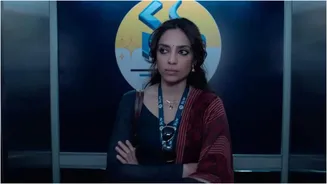
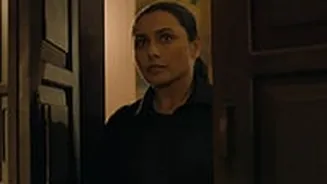
Cheekatilo starts with something deeply unsettling- a woman being followed, raped inside her own room, and worse, the police refusing to even register her complaint. Then comes another sequence where another woman (Sobhita Dhulipala) standing inside a theatre, its doors suddenly opening as men rush in and touch her inappropriately, repeatedly. That is the nightmare Sandhya, Dhulipala’s character, wakes up from. All this unfolds within the first three minutes, mind you.
The natural question here would be: why am I yapping about this right at the very beginning? For that, you’ll need a little patience, as I briefly summarise what the film is actually about.
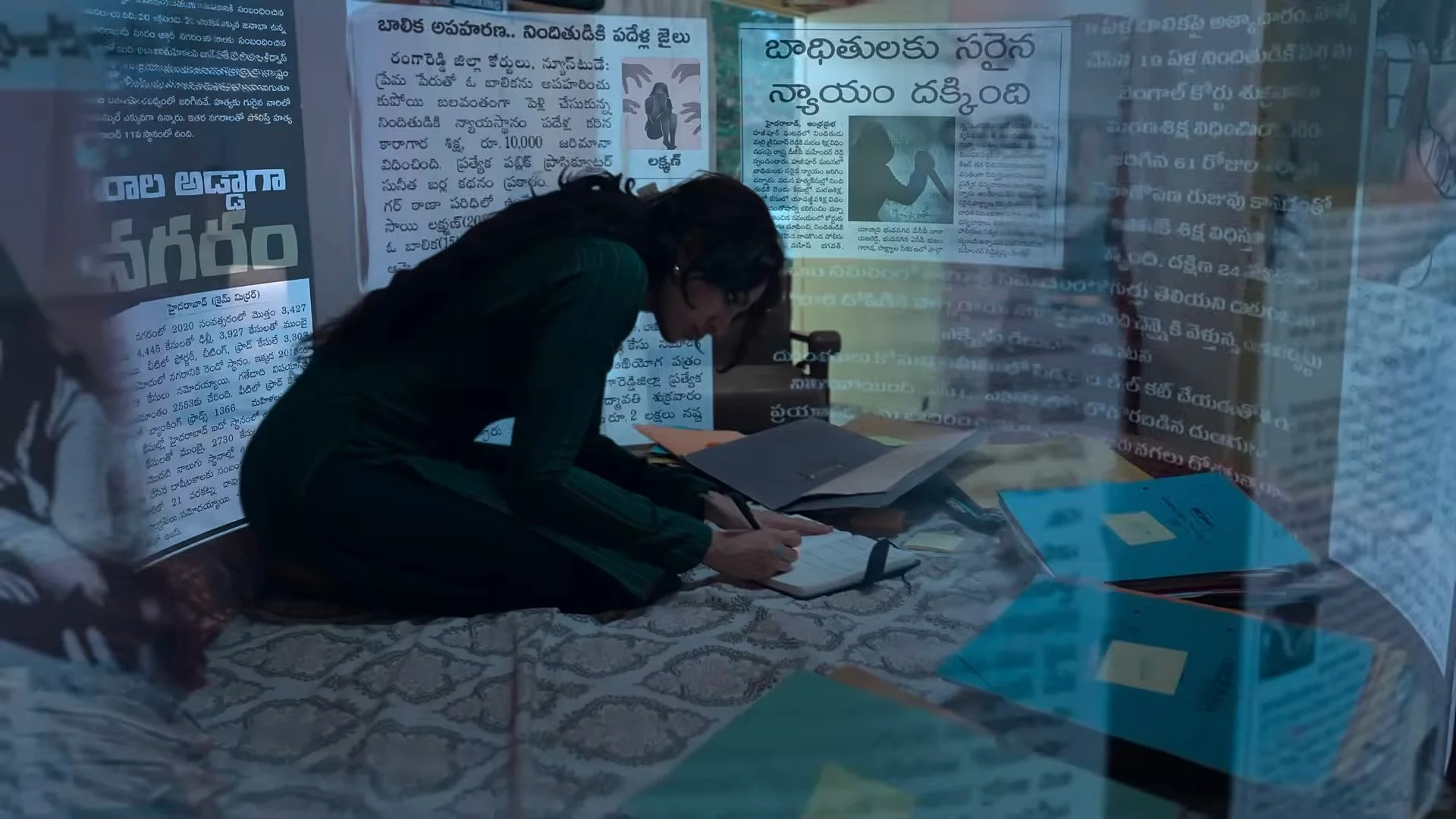
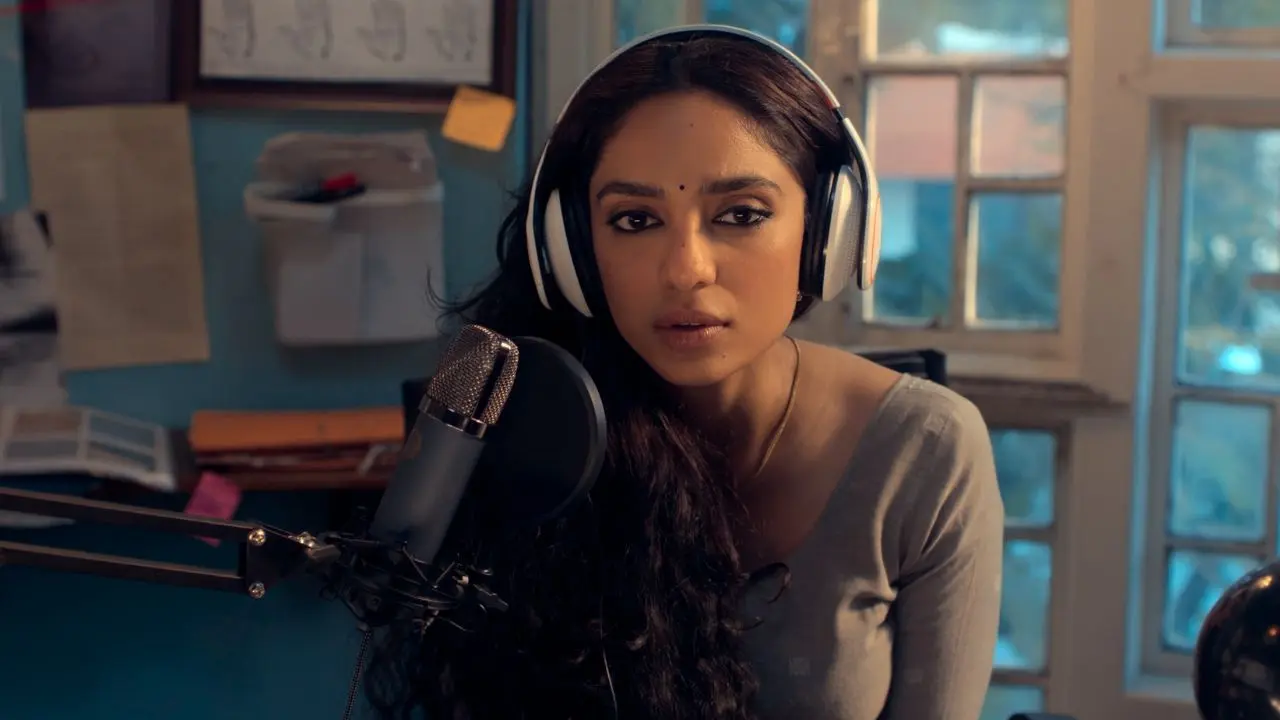
Dhulipala plays Sandhya, a seasoned journalist (she has four years of experience) who is tired of the sensationalisation and dilution of true crime incidents. Frustrated with how stories are handled, she quits her job and plans a true-crime podcast where she can be her own boss. She teams up with a young intern, Bobby, who also inspires her to take this leap. But fate takes a cruel turn, forcing Sandhya to begin the podcast on her own. Through this project, she finds herself drawn into a case that slowly unravels into that of a serial rapist and killer, a man who leaves jasmine gajras and bells at the crime scene and targets couples. Will Sandhya be able to uncover the truth, and what exactly is at stake? I’ll stop here to avoid spoilers and to keep my promise of keeping it quick.
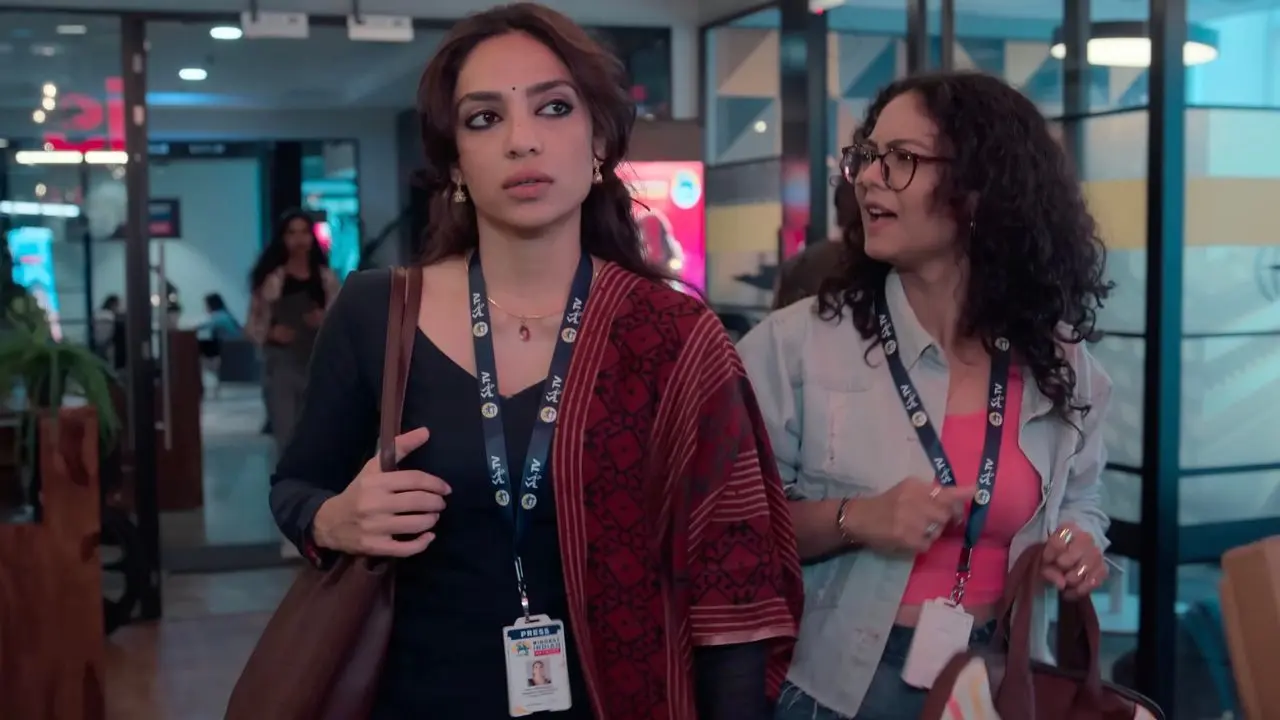
So, back to the opening. Why begin so abruptly? Because through these consecutive sequences, and through repeated references to female friendships, women standing by each other, sexual assault, and the societal harassment of survivors, the film positions its discourse as feminist. It’s not even subtle about it.
However, this is where Cheekatilo begins to falter. Director Sharan Kopishetty (who also co-writes the film) seems unsure of how to hold this ideological ground. I will touch upon spoilers here, so consider this a warning.
When the killer, and rapist, is finally revealed, he begins his confession by speaking about consent, stating that no one’s consent should ever be violated. As you process the discomfort of this moment, he goes on to explain how he became the monster he is. He claims he was violated himself, by a woman who occupied a maternal position in his life.
Now, I’m not questioning the possibility of such trauma. It absolutely can happen. But using this as a narrative justification significantly dilutes what the film spends nearly two hours trying to build.
The film risks appearing to explain, if not excuse, his violence. This becomes especially jarring in a story led by a woman who is herself a survivor of sexual violation, whose pain is something she must live with rather than unpack. In trying to explore “truth”, the film struggles to clearly separate trauma from accountability. If his trauma becomes an explanation for violence, hers is framed as something to endure, fight through, and move past.
Am I reading too much into what might seem like a straightforward film about resilience, persistence, and the pursuit of truth? Maybe. But when you employ imagery as loaded as Kopishetty does, particularly through repeated mirror motifs and explicit depictions of violence against women, it becomes difficult to ignore the ideological confusion. Equally hard to overlook is the film’s repeated use of the word “victim” instead of “survivor”, especially when there are women the killer raped but did not murder.
That said, Cheekatilo is not without merit. It is an okay watch. The performances are sincere, and Sobhita Dhulipala plays Sandhya with ease. The background score is occasionally jarring, the lighting could have been more deliberate, and the film needed tighter editing. As a thriller, it loses its tautness once it stretches beyond the two-hour mark.
There was considerable potential in Cheekatilo. Unfortunately, with its muddled ideology and technical hiccups, much of that promise remains, quite literally, cheekatilo (in the dark).
2 out of 5 stars.
The film is streaming on Prime Video.
Director: Sharan Kopishetty
Cast: Sobhita Dhulipala, Viswadev Rachakonda, Chaitanya Visalakshmi, Esha Chawla, Vadlamani Srinivas
Cheekatilo starts with something deeply unsettling- a woman being followed, raped inside her own room, and worse, the police refusing to even register her complaint. Then comes another sequence where another woman (Sobhita Dhulipala) standing inside a theatre, its doors suddenly opening as men rush in and touch her inappropriately, repeatedly. That is the nightmare Sandhya, Dhulipala’s character, wakes up from. All this unfolds within the first three minutes, mind you.
The natural question here would be: why am I yapping about this right at the very beginning? For that, you’ll need a little patience, as I briefly summarise what the film is actually about.
Dhulipala plays Sandhya, a seasoned journalist (she has four years of experience) who is tired of the sensationalisation and dilution of true crime incidents. Frustrated with how stories are handled, she quits her job and plans a true-crime podcast where she can be her own boss. She teams up with a young intern, Bobby, who also inspires her to take this leap. But fate takes a cruel turn, forcing Sandhya to begin the podcast on her own. Through this project, she finds herself drawn into a case that slowly unravels into that of a serial rapist and killer, a man who leaves jasmine gajras and bells at the crime scene and targets couples. Will Sandhya be able to uncover the truth, and what exactly is at stake? I’ll stop here to avoid spoilers and to keep my promise of keeping it quick.
So, back to the opening. Why begin so abruptly? Because through these consecutive sequences, and through repeated references to female friendships, women standing by each other, sexual assault, and the societal harassment of survivors, the film positions its discourse as feminist. It’s not even subtle about it.
However, this is where Cheekatilo begins to falter. Director Sharan Kopishetty (who also co-writes the film) seems unsure of how to hold this ideological ground. I will touch upon spoilers here, so consider this a warning.
When the killer, and rapist, is finally revealed, he begins his confession by speaking about consent, stating that no one’s consent should ever be violated. As you process the discomfort of this moment, he goes on to explain how he became the monster he is. He claims he was violated himself, by a woman who occupied a maternal position in his life.
Now, I’m not questioning the possibility of such trauma. It absolutely can happen. But using this as a narrative justification significantly dilutes what the film spends nearly two hours trying to build.
The film risks appearing to explain, if not excuse, his violence. This becomes especially jarring in a story led by a woman who is herself a survivor of sexual violation, whose pain is something she must live with rather than unpack. In trying to explore “truth”, the film struggles to clearly separate trauma from accountability. If his trauma becomes an explanation for violence, hers is framed as something to endure, fight through, and move past.
Am I reading too much into what might seem like a straightforward film about resilience, persistence, and the pursuit of truth? Maybe. But when you employ imagery as loaded as Kopishetty does, particularly through repeated mirror motifs and explicit depictions of violence against women, it becomes difficult to ignore the ideological confusion. Equally hard to overlook is the film’s repeated use of the word “victim” instead of “survivor”, especially when there are women the killer raped but did not murder.
That said, Cheekatilo is not without merit. It is an okay watch. The performances are sincere, and Sobhita Dhulipala plays Sandhya with ease. The background score is occasionally jarring, the lighting could have been more deliberate, and the film needed tighter editing. As a thriller, it loses its tautness once it stretches beyond the two-hour mark.
There was considerable potential in Cheekatilo. Unfortunately, with its muddled ideology and technical hiccups, much of that promise remains, quite literally, cheekatilo (in the dark).
2 out of 5 stars.
The film is streaming on Prime Video.