






What is the story about?
As the US-Israeli war on Iran has entered the second month and the Strait of Hormuz remains blockaded, the White House is preparing for a scenario in which oil prices could reach $150-$200 a barrel, according to Politico.
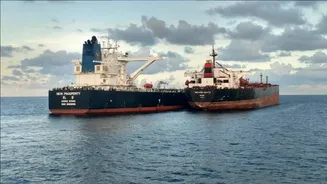
In retaliation to American and Israeli strikes, Iran has closed the Strait of Hormuz and cut off the world’s 20-25 per cent of oil and gas supply.
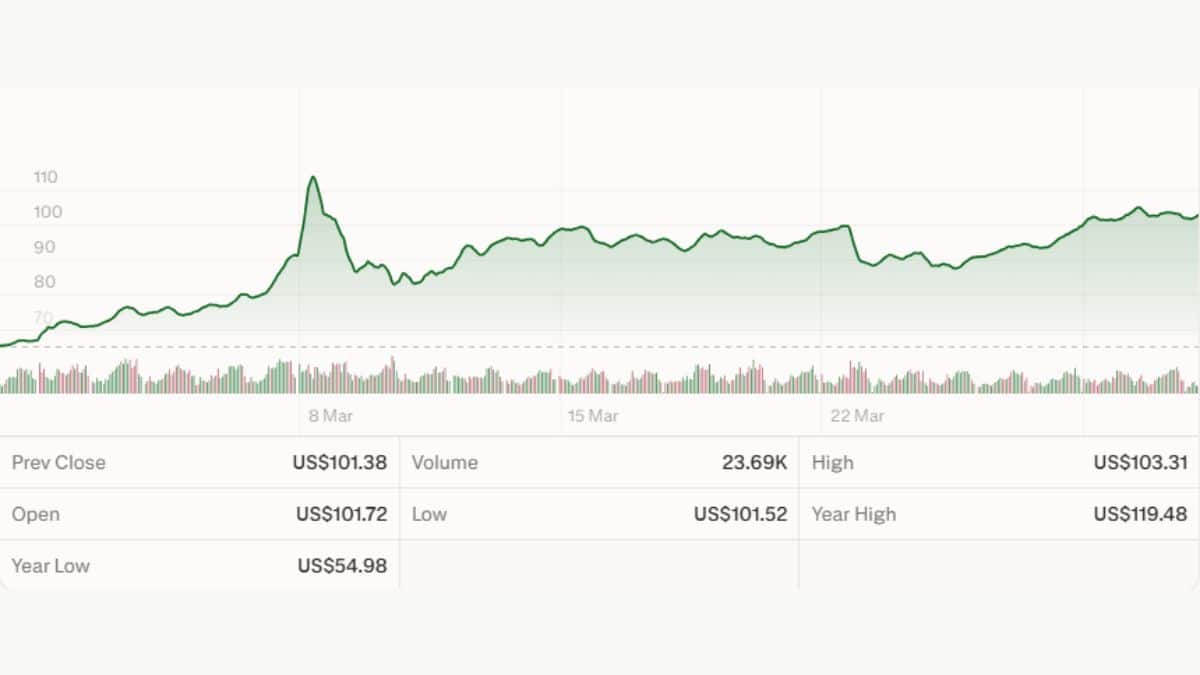
As a result, Brent crude oil —the global benchmark— spiked from pre-war $72 a barrel to the high of $119. After trading for over the $110-mark for most of the last week, it fell this week to close at $107 on Tuesday after Trump signalled he could soon end the war.
The West Texas Intermediate (WTI), the blend most widely used in the United States, has also increased from pre-war $62 to currently trade at $103.
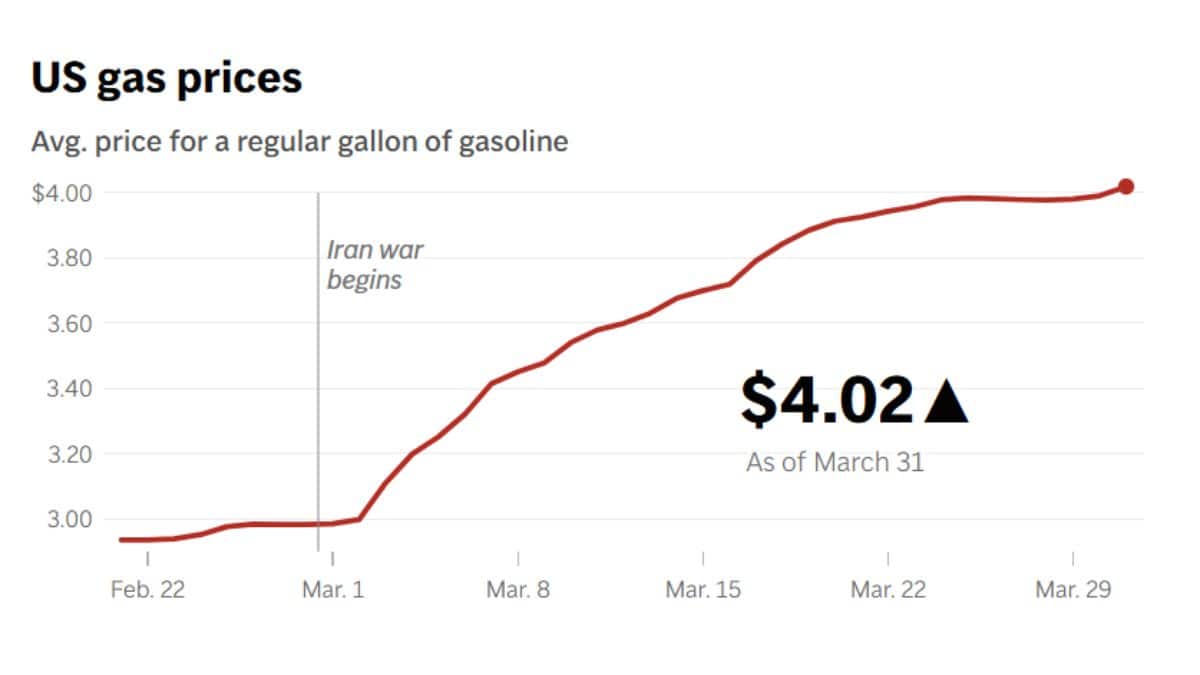
At the pumps, average petrol price has risen about 35 per cent and diesel 45 per cent since the beginning of the war.
The report has come at a time when energy consultancy FGE has warned that crude could surge to $150-$200 a barrel if the Strait remains closed for six to eight more weeks.
In the wake of such a situation, White House's senior staff and administration officials are discussing the possibility that oil prices climb to a record $150 or even $200 per barrel, according to Politico.
They are in touch with the industry to understand the economic effect of higher prices and figure out what may be done to bring down costs.
Options on the table include the deployment of additional emergency powers to regulate prices.
The Department of Treasury has informed Trump that $100 is expected to be the new normal for some time.
The administration has not ruled out the possibility of oil touching $200 a barrel.
“They’re trying to come up with every conceivable idea that might alleviate energy prices, including the exercise of emergency powers and authorities and national defense reasons to address the supply chain disruption in the Strait of Hormuz,” an industry official familiar with the discussions told Politico.
Analysts have said that rising fuel costs will convert into a rising cost-of-living as everything from groceries to postal services will become expensive.
“It’s going to mean more expensive bills for truckers, tractors and trains that move the U.S. economy with diesel fuel. It’s going to mean consumers are likely greeted by rising grocery prices — and broadly speaking, a rise in U.S. inflation,” Patrick De Haan, head of petroleum analysis at GasBuddy, told AP.
In retaliation to American and Israeli strikes, Iran has closed the Strait of Hormuz and cut off the world’s 20-25 per cent of oil and gas supply.
As a result, Brent crude oil —the global benchmark— spiked from pre-war $72 a barrel to the high of $119. After trading for over the $110-mark for most of the last week, it fell this week to close at $107 on Tuesday after Trump signalled he could soon end the war.
The West Texas Intermediate (WTI), the blend most widely used in the United States, has also increased from pre-war $62 to currently trade at $103.
At the pumps, average petrol price has risen about 35 per cent and diesel 45 per cent since the beginning of the war.
The report has come at a time when energy consultancy FGE has warned that crude could surge to $150-$200 a barrel if the Strait remains closed for six to eight more weeks.
WTI crude oil price movement since the United States and Israel launched the war on Iran. (Data: Perplexity)
In the wake of such a situation, White House's senior staff and administration officials are discussing the possibility that oil prices climb to a record $150 or even $200 per barrel, according to Politico.
They are in touch with the industry to understand the economic effect of higher prices and figure out what may be done to bring down costs.
Options on the table include the deployment of additional emergency powers to regulate prices.
Treasury believes $100 a barrel to be new normal
The Department of Treasury has informed Trump that $100 is expected to be the new normal for some time.
The administration has not ruled out the possibility of oil touching $200 a barrel.
“They’re trying to come up with every conceivable idea that might alleviate energy prices, including the exercise of emergency powers and authorities and national defense reasons to address the supply chain disruption in the Strait of Hormuz,” an industry official familiar with the discussions told Politico.
Petrol (gasoline) price in the United States at pumps. (Photo: AP)
Analysts have said that rising fuel costs will convert into a rising cost-of-living as everything from groceries to postal services will become expensive.
“It’s going to mean more expensive bills for truckers, tractors and trains that move the U.S. economy with diesel fuel. It’s going to mean consumers are likely greeted by rising grocery prices — and broadly speaking, a rise in U.S. inflation,” Patrick De Haan, head of petroleum analysis at GasBuddy, told AP.