





What is the story about?
It’s been a year since the Pahalgam terror attack rocked Kashmir and left the rest of India shaken.
The deadly attack on April 22, 2025, by Lashkar-e-Taiba-backed The Resistance Front (TRF) left 26 dead, mostly tourists, at the Baisaran meadow in Pahalgam. India, which vowed to avenge the terror attack, responded by launching Operation Sindoor in May.
But how is Kashmir faring a year later? How are things on the ground?
Let’s take a closer look.
First, let’s briefly examine what happened in the immediate aftermath of the attack.
According to CNBC, Kashmir witnessed a massive drop in tourism. Almost 50 tourist destinations were shut in the aftermath of the incident and reopened in staggered intervals after security audits.
Now, things are slowly returning to normal in Kashmir.
News18 reported that Kashmir’s famed Indira Gandhi Memorial Tulip Garden – open between March and mid-April – saw visits from at least three lakh tourists this season.
According to The New Indian Express, the Jammu and Kashmir administration has rolled out a new QR code-based identification system. The system is for all tourism service providers, including ponywalas, hawkers, business establishments, and outside vendors. It allows tourists to easily identify and verify service providers and will help restore confidence among tourists.
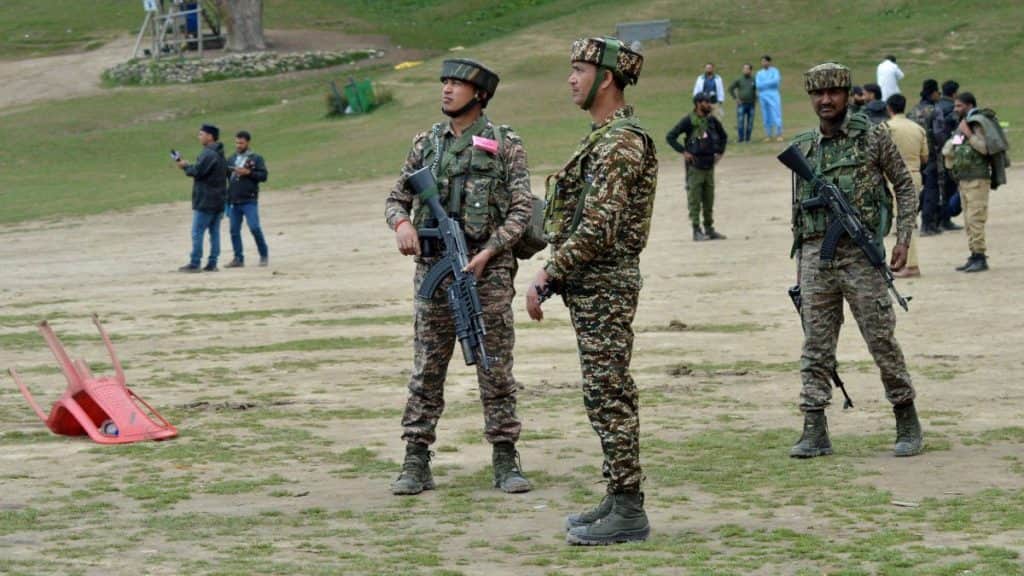
“Each service provider has been properly vetted by police, registered by authorities, and provided a unique QR code that contains personal information, including Aadhaar and driving licence details of the person,” Abdul Waheed, president of the Ponywalla Association Pahalgam, told the outlet. He said a member of the security forces or a tourist can scan the code with their mobile phones to get complete information about the person.
Tourists appear to be in high spirits.
“It feels really good to be here… The security arrangements are excellent,” said Ashutosh Kosaria, a tourist from Chhattisgarh, who visited Pahalgam recently. He added that visitors should take time to explore the region, calling it “a part of India that everyone should see”.
“This place is really safe… we cannot judge a location from that,” another tourist said, adding that he felt secure during the visit. Yet another visitor said there was “no fear now” and expressed full faith in the Indian Army and Jammu and Kashmir Police.
However, business has not returned to normal for shops, hotels, eateries, dhabas and Kashmiri handicraft outlets.
Latief Ahmad, who owns a showroom selling Kashmiri arts and crafts, told TNIE there was a constant stream of customers during this period last year. “There used to be a beeline of tourists at our showrooms, and every visitor would buy something to take home as souvenirs, but after last year’s attack, tourist flow has dropped significantly. Our business has been badly affected.”
Restaurant owner Hilal Ahmed added that daily profits have drastically dwindled. “Before the attack, we would make around Rs 35,000 on normal days and up to Rs 50,000 on weekends. Now, it's Rs 5,000 to Rs 8,000 a day,” he said. “Most visitors don’t stay overnight anymore.”
Some are now calling for Baisaran Meadows, dubbed "Little Switzerland", which remains shut a year after the attack, to be reopened.
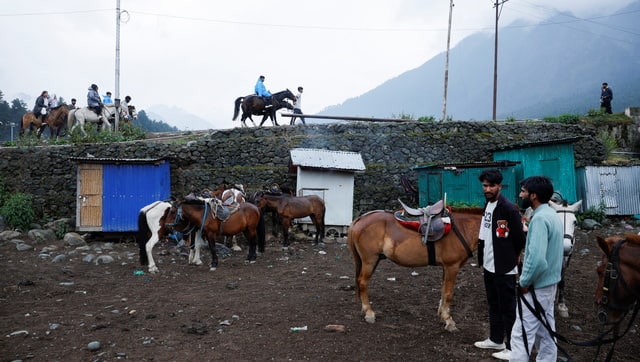
“When tourists come to Pahalgam, the first thing they ask about is Baisaran. Every traveller visiting Pahalgam wants to visit the meadows. We tell them it is closed and they feel disappointed,” Waheed said. “Reopening Baisaran will boost tourist footfall in the resort, which will benefit all tourism stakeholders, including ponywalas.”
NDTV Profit quoted Waheed as saying that “a ponywala now makes only Rs 500 to Rs 600 a day.”
People also continue to demand justice for the victims.
Junaid Qureshi of the European Foundation for South Asian Studies described the incident as a targeted act against civilians.
Qureshi said groups like Lashkar-e-Taiba are “sponsored, trained and funded by Pakistan”, and warned that such incidents are aimed at derailing peace and development efforts. He also stressed the need for local rejection of extremist narratives, saying Kashmiris must assert that such violence is “not in our name”.
Indian police in Kashmir detained about 1,500 residents for questioning during a sweeping investigation. They arrested two local men in June for allegedly harbouring the attackers.
The National Investigation Agency (NIA) said “the two men had disclosed the identities of the three armed terrorists involved in the attack” during their interrogation. The pair also confirmed the gunmen were “Pakistani nationals” from LeT, it said.
The three men killed in the firefight outside Srinagar and the two in custody were among six people, and the LeT/TRF group, charged by the NIA in December with planning and executing the attack.
The whereabouts of the sixth, a “Pakistani handler”, are not known.
“For all practical purposes, the investigation is complete after the three Pakistani terrorists were killed,” a senior security official said on condition of anonymity because they were not authorised to speak about the case. “Now only the Pakistani conspiracy remains to be proved in court.”
1. Has tourism in Kashmir fully recovered after the Pahalgam attack?
No, while tourist footfall is increasing, businesses such as hotels, restaurants, and handicraft shops report that activity has not returned to pre-attack levels.
2. What measures have been introduced to improve tourist safety?
Authorities have implemented a QR code-based identification system for tourism service providers to help tourists verify their credentials and improve trust.
3. Why is Baisaran Meadows still closed, and why does it matter?
Baisaran Meadows remains shut due to security concerns. Its closure affects tourism significantly, as it is a major attraction.
With inputs from agencies
The deadly attack on April 22, 2025, by Lashkar-e-Taiba-backed The Resistance Front (TRF) left 26 dead, mostly tourists, at the Baisaran meadow in Pahalgam. India, which vowed to avenge the terror attack, responded by launching Operation Sindoor in May.
But how is Kashmir faring a year later? How are things on the ground?
Let’s take a closer look.
Footfall increasing
First, let’s briefly examine what happened in the immediate aftermath of the attack.
According to CNBC, Kashmir witnessed a massive drop in tourism. Almost 50 tourist destinations were shut in the aftermath of the incident and reopened in staggered intervals after security audits.
Now, things are slowly returning to normal in Kashmir.
News18 reported that Kashmir’s famed Indira Gandhi Memorial Tulip Garden – open between March and mid-April – saw visits from at least three lakh tourists this season.
New QR code system
According to The New Indian Express, the Jammu and Kashmir administration has rolled out a new QR code-based identification system. The system is for all tourism service providers, including ponywalas, hawkers, business establishments, and outside vendors. It allows tourists to easily identify and verify service providers and will help restore confidence among tourists.
The Jammu and Kashmir administration has rolled out a new QR code-based identification system. Reuters/File Photo
“Each service provider has been properly vetted by police, registered by authorities, and provided a unique QR code that contains personal information, including Aadhaar and driving licence details of the person,” Abdul Waheed, president of the Ponywalla Association Pahalgam, told the outlet. He said a member of the security forces or a tourist can scan the code with their mobile phones to get complete information about the person.
Tourists in high spirits
Tourists appear to be in high spirits.
“It feels really good to be here… The security arrangements are excellent,” said Ashutosh Kosaria, a tourist from Chhattisgarh, who visited Pahalgam recently. He added that visitors should take time to explore the region, calling it “a part of India that everyone should see”.
“This place is really safe… we cannot judge a location from that,” another tourist said, adding that he felt secure during the visit. Yet another visitor said there was “no fear now” and expressed full faith in the Indian Army and Jammu and Kashmir Police.
Business remains subdued
However, business has not returned to normal for shops, hotels, eateries, dhabas and Kashmiri handicraft outlets.
Latief Ahmad, who owns a showroom selling Kashmiri arts and crafts, told TNIE there was a constant stream of customers during this period last year. “There used to be a beeline of tourists at our showrooms, and every visitor would buy something to take home as souvenirs, but after last year’s attack, tourist flow has dropped significantly. Our business has been badly affected.”
Restaurant owner Hilal Ahmed added that daily profits have drastically dwindled. “Before the attack, we would make around Rs 35,000 on normal days and up to Rs 50,000 on weekends. Now, it's Rs 5,000 to Rs 8,000 a day,” he said. “Most visitors don’t stay overnight anymore.”
Some are now calling for Baisaran Meadows, dubbed "Little Switzerland", which remains shut a year after the attack, to be reopened.
People offering pony rides, wait for tourists at a local pony stand in Pahalgam. Reuters
“When tourists come to Pahalgam, the first thing they ask about is Baisaran. Every traveller visiting Pahalgam wants to visit the meadows. We tell them it is closed and they feel disappointed,” Waheed said. “Reopening Baisaran will boost tourist footfall in the resort, which will benefit all tourism stakeholders, including ponywalas.”
NDTV Profit quoted Waheed as saying that “a ponywala now makes only Rs 500 to Rs 600 a day.”
Justice for victims
People also continue to demand justice for the victims.
Junaid Qureshi of the European Foundation for South Asian Studies described the incident as a targeted act against civilians.
Qureshi said groups like Lashkar-e-Taiba are “sponsored, trained and funded by Pakistan”, and warned that such incidents are aimed at derailing peace and development efforts. He also stressed the need for local rejection of extremist narratives, saying Kashmiris must assert that such violence is “not in our name”.
Indian police in Kashmir detained about 1,500 residents for questioning during a sweeping investigation. They arrested two local men in June for allegedly harbouring the attackers.
The National Investigation Agency (NIA) said “the two men had disclosed the identities of the three armed terrorists involved in the attack” during their interrogation. The pair also confirmed the gunmen were “Pakistani nationals” from LeT, it said.
The three men killed in the firefight outside Srinagar and the two in custody were among six people, and the LeT/TRF group, charged by the NIA in December with planning and executing the attack.
The whereabouts of the sixth, a “Pakistani handler”, are not known.
“For all practical purposes, the investigation is complete after the three Pakistani terrorists were killed,” a senior security official said on condition of anonymity because they were not authorised to speak about the case. “Now only the Pakistani conspiracy remains to be proved in court.”
FAQs
1. Has tourism in Kashmir fully recovered after the Pahalgam attack?
No, while tourist footfall is increasing, businesses such as hotels, restaurants, and handicraft shops report that activity has not returned to pre-attack levels.
2. What measures have been introduced to improve tourist safety?
Authorities have implemented a QR code-based identification system for tourism service providers to help tourists verify their credentials and improve trust.
3. Why is Baisaran Meadows still closed, and why does it matter?
Baisaran Meadows remains shut due to security concerns. Its closure affects tourism significantly, as it is a major attraction.
With inputs from agencies