








In an escalation of its “maximum pressure” campaign, the Trump administration has warned global companies and foreign governments of tough sanctions if they continue doing business with Iranian airlines.
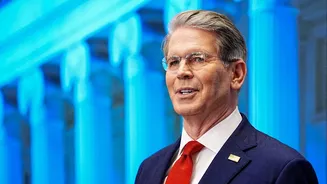
US Treasury Secretary Scott Bessent announced the move on Monday, further tightening the economic noose around Tehran as geopolitical tensions in West Asia reach a boiling point.
'Economic fury': The new sanctions framework
Under a policy Secretary Bessent described as “Economic Fury,” the US Treasury is targeting the logistical and financial lifelines that keep Iran’s civil aviation sector operational. The warning extends beyond direct trade to include any third-party facilitation of services.
“Foreign governments should take all actions necessary to ensure that companies in their jurisdictions do not provide services to those aircraft,” Bessent stated in a post on X.
He specifically identified several prohibited services, including provision of jet fuel and catering, maintenance and technical repair services, and payment of landing and hangar fees.
Doing business with sanctioned Iranian airlines risks exposure to U.S. sanctions. Foreign governments should take all actions necessary to ensure that companies in their jurisdictions do not provide services to those aircraft, including the provision of jet fuel, catering,…
— Treasury Secretary Scott Bessent (@SecScottBessent) April 27, 2026
The Treasury Department warned that any entity found assisting sanctioned Iranian carriers, including the flagship Iran Air and Mahan Air, risks being completely cut off from the US financial system.
This latest economic offensive comes amid a backdrop of active military and maritime friction. The US has recently intensified its "blockade" posture, targeting Iran’s oil industry and shipping networks.
The move follows reports of Iranian forces firing upon commercial vessels in the Strait of Hormuz, including two Indian-flagged tankers, the Jag Arnav and Sanmar Herald. In response, the US has already slapped sanctions on a major China-based refinery and over 40 shipping companies accused of transporting Iranian crude.
“Washington will not hesitate to act against any third parties that facilitate or conduct business with Iranian entities,” Bessent added, saying the administration’s goal is to collapse Iranian oil production and trigger domestic gasoline shortages to force a change in Tehran’s regional behaviour.
Global economy takes a hit
The escalating sanctions and the volatility of the Persian Gulf are affecting global markets too. In India, a traditional partner of Iran, the economic impact has been particularly acute:
The Indian Rupee hit a record low of Rs 92 per US dollar this month due to surging oil costs.
Shipping insurance premiums have also shot up, forcing many international carriers to divert routes around Africa rather than risk the Suez Canal and the Strait of Hormuz.
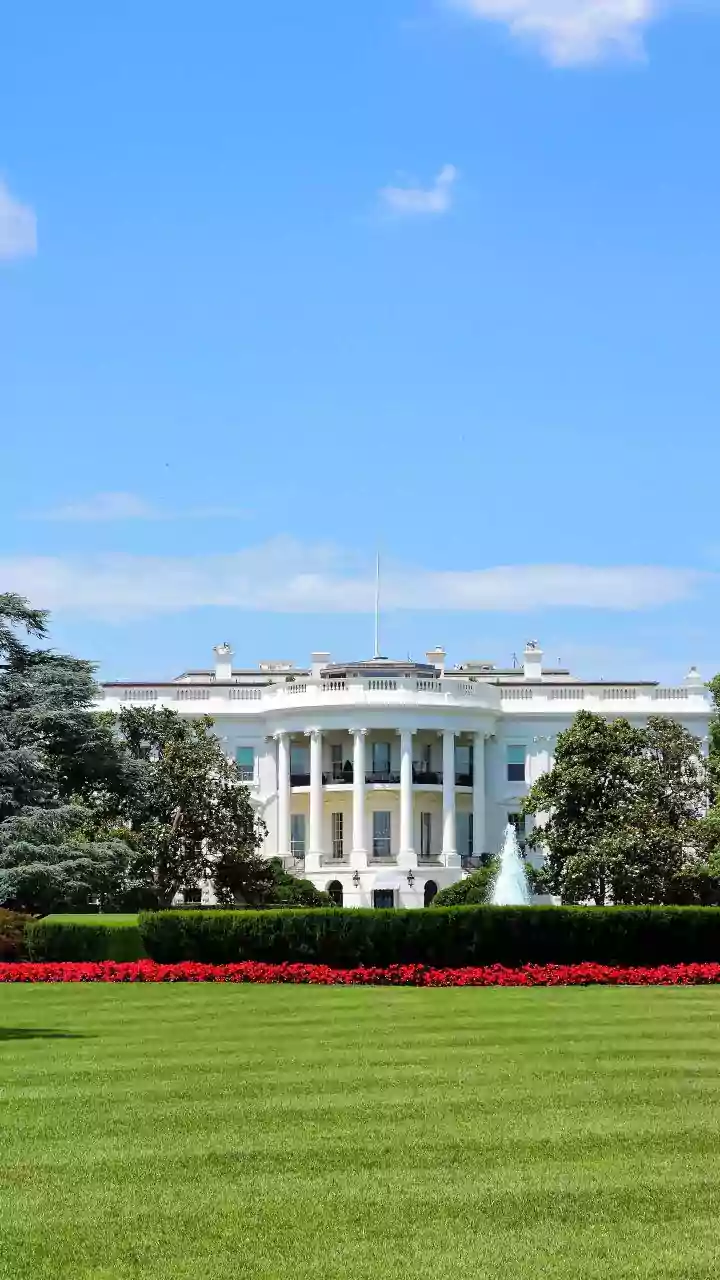
The timing of the aviation warning is important, occurring as King Charles III and Queen Camilla visit the White House. While the royal visit focuses on the "Special Relationship," the discussions are expected to involve the coordination of Western responses to Iran’s "destabilising" activities.
Critics of the administration’s aggressive stance, including some European allies, have previously warned that targeting civil aviation endangers human lives by preventing the maintenance of ageing aircraft. However, the Trump administration maintains that these airlines are used as front organisations for the Islamic Revolutionary Guard Corps (IRGC) to transport weapons and personnel across West Asia.