






What is the story about?
2025 was a year of major political shake-ups around the world. From Asia to Africa to Latin America, several national leaders lost their positions — some through court rulings, others through mass protests, impeachment, or even military intervention.
Economic problems, public anger, corruption scandals, and clashes between governments and young citizens all played a role. In many places, trust in political institutions reached a breaking point, and people demanded change in loud and sometimes violent ways.
These sudden exits reshaped politics in their regions and raised questions about the strength of democracy, the power of courts and armies, and the growing influence of youth-driven movements.
Below is a look at some of the leaders who were removed from office in 2025 — and why their fall from power matters.
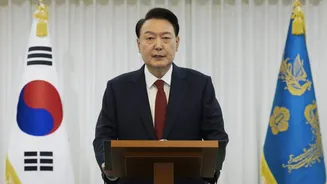
Yoon’s fall from power rocked Seoul and sent shockwaves across East Asia. In December 2024 he had declared martial law — a drastic move that alarmed both lawmakers and the public — leading to swift parliamentary impeachment. In April 2025, the Constitutional Court upheld that impeachment, finding Yoon’s decree unconstitutional and ruling he had violated his official duty.
The verdict forced a snap presidential election, scheduled for June 3, 2025, underscoring how fragile democratic norms can be when leaders resort to sweeping emergency powers.
According to The Guardian, for many South Koreans, Yoon’s removal marked a return to constitutional order — but also a warning that no leader, however powerful, can act above the legislature or courts.
The episode will likely influence future presidencies and debates over executive authority in South Korea for years to come.
In Nepal, 2025 saw what many called a “Gen Z uprising.” A government decision to ban major social media platforms triggered nationwide protests — especially among youth — who viewed the ban as an attack on free expression. Even after the ban was reversed, protests escalated, culminating in violent clashes and widespread unrest.
On September 9, 2025, Oli resigned under mounting pressure. His departure paved the way for an interim government led by a former chief justice, with early elections now scheduled for March 2026.
According to The Indian Express report, the “Gen Z revolt” marked a generational turning point: younger Nepalis made clear that they will no longer accept top-down governance or censorship — signalling a potential reordering of Nepal’s political future.
Paetongtarn’s premiership was short — barely a year — but its end was dramatic.
On August 29, 2025, Thailand’s Constitutional Court removed her from office, citing an ethics violation stemming from a leaked phone call with Cambodia’s former leader during a tense border standoff. In that call she had reportedly addressed him as “uncle” and criticised a senior Thai army commander — actions the court ruled had undermined national integrity.
Her removal underscores the persistent influence of the judiciary and military-aligned establishment in Thai politics, often at odds with popular electoral mandates. According to a
Time report, the verdict has unsettled Thailand’s political landscape — raising doubts about the durability of democratic governance when powerful non-electoral institutions can unseat elected leaders at will.
After two full terms as Romania’s president, Iohannis’ final months were consumed by escalating political drama. The cancellation of the 2024 presidential election — due to alleged foreign interference — triggered a wave of backlash from populist and nationalist parties.
Faced with a looming impeachment vote, Iohannis chose to resign on February 10, 2025, effective February 12.
In his resignation statement he argued that staying on would have deepened the crisis, warning that continuing under constant political assault would tarnish Romania’s democratic image.
According to Euro News, his exit marks a rare case of a modern European head of state foregoing power to avoid institutional collapse — highlighting how electoral interference, political polarisation and populist pressure are challenging established centrist leaders even in the EU periphery.
Rajoelina’s end came not through election or resignation, but via uprising and a military takeover.
Beginning in late September 2025, widespread youth-led protests erupted across Madagascar — sparked by water and power shortages but swelling into broader anger over poverty, corruption, and state neglect.
Amid defections within the army’s elite CAPSAT unit, lawmakers impeached the president on October 14 — 130 votes to one — before Rajoelina fled the country.
The military immediately seized control, suspended the constitution, and dissolved key institutions, announcing a transitional government pledging to govern for up to two years before fresh elections.
According to Reuters, the dramatic collapse of Rajoelina’s rule after years in power reflects deep mistrust among Malagasy citizens in both government and democratic institutions — and signals a grim era of uncertainty, with human rights, stability, and social justice hanging in the balance.
In Peru, Boluarte’s presidency unraveled in October 2025 under a combination of sustained public outrage, skyrocketing crime, and corruption scandals.
Congress, citing “permanent moral incapacity,” voted overwhelmingly to remove her from office — a rare but decisive dismissal under constitutional provisions.
Her refusal to appear before Congress for a hearing, alongside mounting evidence of mismanagement and public anger at rampant violence, sealed her fate.
Immediately afterward, the head of Congress, Jose Jeri, was sworn in as interim president until the next general election.
According to The Guardian, Boluarte’s removal underscores Peru’s chronic political instability — six presidents in fewer than ten years — and reflects widespread frustration over governance failure in the face of social fragmentation, crime, and corruption.
With inputs from agencies
Economic problems, public anger, corruption scandals, and clashes between governments and young citizens all played a role. In many places, trust in political institutions reached a breaking point, and people demanded change in loud and sometimes violent ways.
These sudden exits reshaped politics in their regions and raised questions about the strength of democracy, the power of courts and armies, and the growing influence of youth-driven movements.
Below is a look at some of the leaders who were removed from office in 2025 — and why their fall from power matters.
Yoon Suk Yeol (South Korea)
Yoon’s fall from power rocked Seoul and sent shockwaves across East Asia. In December 2024 he had declared martial law — a drastic move that alarmed both lawmakers and the public — leading to swift parliamentary impeachment. In April 2025, the Constitutional Court upheld that impeachment, finding Yoon’s decree unconstitutional and ruling he had violated his official duty.
The verdict forced a snap presidential election, scheduled for June 3, 2025, underscoring how fragile democratic norms can be when leaders resort to sweeping emergency powers.
According to The Guardian, for many South Koreans, Yoon’s removal marked a return to constitutional order — but also a warning that no leader, however powerful, can act above the legislature or courts.
The episode will likely influence future presidencies and debates over executive authority in South Korea for years to come.
KP Sharma Oli (Nepal)
In Nepal, 2025 saw what many called a “Gen Z uprising.” A government decision to ban major social media platforms triggered nationwide protests — especially among youth — who viewed the ban as an attack on free expression. Even after the ban was reversed, protests escalated, culminating in violent clashes and widespread unrest.
On September 9, 2025, Oli resigned under mounting pressure. His departure paved the way for an interim government led by a former chief justice, with early elections now scheduled for March 2026.
According to The Indian Express report, the “Gen Z revolt” marked a generational turning point: younger Nepalis made clear that they will no longer accept top-down governance or censorship — signalling a potential reordering of Nepal’s political future.
Paetongtarn Shinawatra (Thailand)
Paetongtarn’s premiership was short — barely a year — but its end was dramatic.
On August 29, 2025, Thailand’s Constitutional Court removed her from office, citing an ethics violation stemming from a leaked phone call with Cambodia’s former leader during a tense border standoff. In that call she had reportedly addressed him as “uncle” and criticised a senior Thai army commander — actions the court ruled had undermined national integrity.
Her removal underscores the persistent influence of the judiciary and military-aligned establishment in Thai politics, often at odds with popular electoral mandates. According to a
Klaus Iohannis (Romania)
After two full terms as Romania’s president, Iohannis’ final months were consumed by escalating political drama. The cancellation of the 2024 presidential election — due to alleged foreign interference — triggered a wave of backlash from populist and nationalist parties.
Faced with a looming impeachment vote, Iohannis chose to resign on February 10, 2025, effective February 12.
In his resignation statement he argued that staying on would have deepened the crisis, warning that continuing under constant political assault would tarnish Romania’s democratic image.
According to Euro News, his exit marks a rare case of a modern European head of state foregoing power to avoid institutional collapse — highlighting how electoral interference, political polarisation and populist pressure are challenging established centrist leaders even in the EU periphery.
Andry Rajoelina (Madagascar)
Rajoelina’s end came not through election or resignation, but via uprising and a military takeover.
Beginning in late September 2025, widespread youth-led protests erupted across Madagascar — sparked by water and power shortages but swelling into broader anger over poverty, corruption, and state neglect.
Amid defections within the army’s elite CAPSAT unit, lawmakers impeached the president on October 14 — 130 votes to one — before Rajoelina fled the country.
The military immediately seized control, suspended the constitution, and dissolved key institutions, announcing a transitional government pledging to govern for up to two years before fresh elections.
According to Reuters, the dramatic collapse of Rajoelina’s rule after years in power reflects deep mistrust among Malagasy citizens in both government and democratic institutions — and signals a grim era of uncertainty, with human rights, stability, and social justice hanging in the balance.
Dina Boluarte (Peru)
In Peru, Boluarte’s presidency unraveled in October 2025 under a combination of sustained public outrage, skyrocketing crime, and corruption scandals.
Congress, citing “permanent moral incapacity,” voted overwhelmingly to remove her from office — a rare but decisive dismissal under constitutional provisions.
Her refusal to appear before Congress for a hearing, alongside mounting evidence of mismanagement and public anger at rampant violence, sealed her fate.
Immediately afterward, the head of Congress, Jose Jeri, was sworn in as interim president until the next general election.
According to The Guardian, Boluarte’s removal underscores Peru’s chronic political instability — six presidents in fewer than ten years — and reflects widespread frustration over governance failure in the face of social fragmentation, crime, and corruption.
With inputs from agencies