







In a diplomatic move to avert a broader regional conflagration, a trilateral coalition of Turkiye, Egypt, and Pakistan is reportedly pushing for an emergency face-to-face meeting between United States and Iranian officials in Islamabad within the next 48 hours.
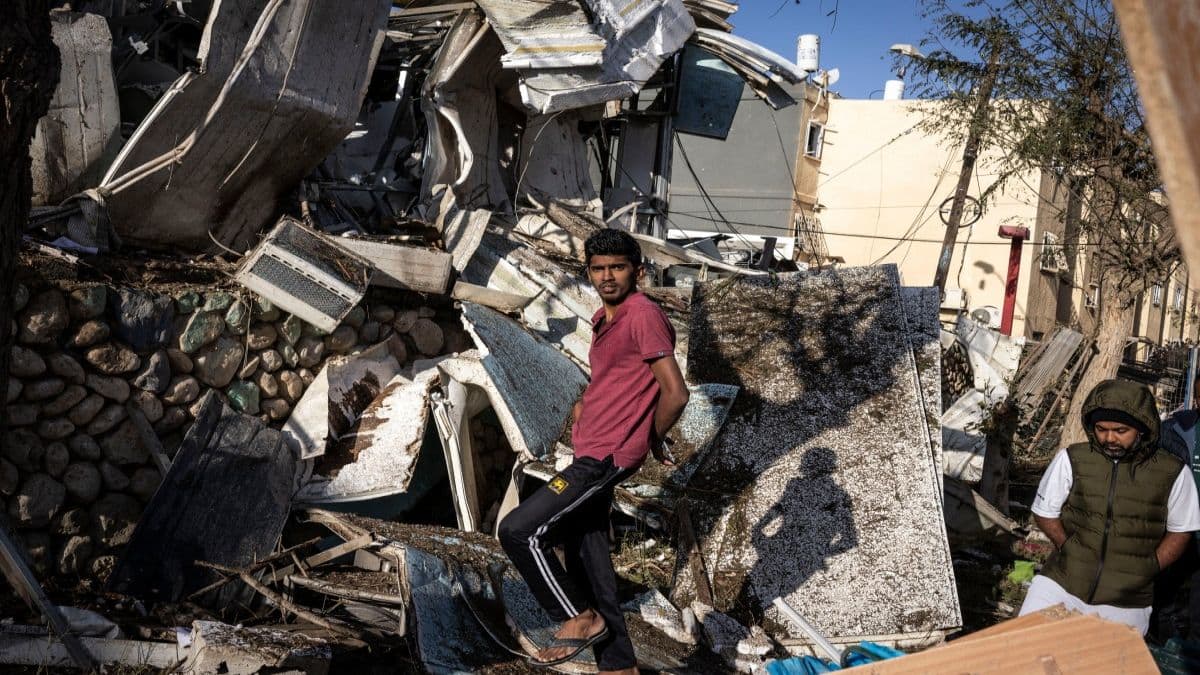
The initiative comes at a critical juncture in the nearly month-long conflict, which began on February 28 following a series of coordinated US-Israeli strikes.
According to regional diplomatic sources and reports from Axios and The Washington Post, foreign ministers from Ankara, Cairo, and Islamabad have established a "strategic synergy," acting as the primary intermediaries to bridge the deep chasm between Washington and Tehran.The 48-hour countdown
The urgency of the proposal is linked to a narrow window of opportunity created by US President Donald Trump, who recently announced a five-day pause on planned strikes against Iranian energy infrastructure. That pause is set to expire this Saturday.
Diplomatic sources cited by WSJ indicate that a US delegation—potentially including Vice President JD Vance, Special Envoy Steve Witkoff, and Jared Kushner—is prepared to arrive in the Pakistani capital "in a day or two" if Tehran signals its concurrence.
Follow our live coverage on the Iran war here.
Islamabad as the neutral ground
Pakistan has emerged as the preferred venue due to its unique position: it maintains a mutual defence pact with Saudi Arabia while sharing a border and maintaining diplomatic channels with Iran. Prime Minister Shehbaz Sharif confirmed the nation's readiness on Tuesday, stating on X (formerly Twitter) that Pakistan stands "ready and honoured" to facilitate "meaningful and conclusive talks."
High hurdles and hardened positions
While Turkish Foreign Minister Hakan Fidan and Egyptian Foreign Minister Badr Abdelatty have been engaged in a "flurry of phone diplomacy," the path to the table remains fraught.
Iran has publicly denied direct negotiations, with Foreign Ministry spokesperson Esmaeil Baghaei confirming that while "friendly countries" have relayed US requests, Tehran remains deeply distrustful of Washington’s intentions.
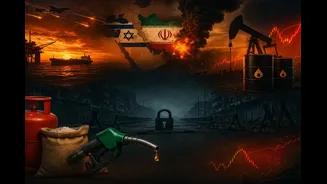
The proposed 15-point US list of expectations—which reportedly includes the permanent reopening of the Strait of Hormuz—remains a major sticking point. However, the mediation efforts by the trilateral group have already achieved a temporary "de-escalation phase," allowing the first "non-hostile" oil tankers to pass through the Strait in weeks.