








What is the story about?
Iran is leveraging the ongoing conflict in West Asia to deepen its strategic hold over the Strait of Hormuz, with Iraq and Pakistan striking separate arrangements with Tehran to secure the passage of crude oil and liquefied natural gas shipments through the vital maritime chokepoint, Reuters reported on Wednesday, citing sources with knowledge of the matter.
The developments come as the US-Israeli conflict with Iran continues to disrupt energy flows from the Gulf, a region that normally accounts for nearly 20 per cent of global crude oil and LNG supplies.
According to the report, Iraq secured safe passage for two very large crude carriers carrying around 2 million barrels of oil each through the Strait of Hormuz on Sunday under a previously unreported arrangement with Tehran. Iraqi officials are now seeking approval from Iran for additional transits as Baghdad attempts to shield its oil-dependent economy from further disruption.
“Iraq is a close ally of Iran, and any deterioration in Iraq’s economy would also damage Iran’s economic interests in the country,” an Iraqi oil ministry official familiar with the negotiations told Reuters.
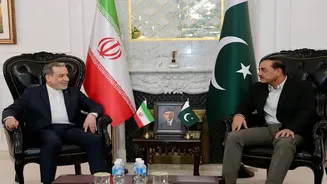
Pakistan, meanwhile, has also reached a separate understanding with Tehran to allow LNG shipments from Qatar to pass through the strait. Two LNG tankers bound for Pakistan are currently en route after the agreement was finalised, Reuters reported citing industry sources.
Pakistan had been importing around 10 LNG cargoes every month before the outbreak of the conflict and is now under pressure to secure fuel supplies ahead of peak summer electricity demand.
Iran shifts from blockade threats to selective control
Analysts say Tehran appears to be moving away from earlier threats to completely block the Strait of Hormuz and is instead attempting to institutionalise selective control over maritime traffic.
“ Iran has shifted from blocking Hormuz to controlling access to it. Hormuz is no longer a neutral transit route, it is a controlled corridor,” Claudio Steuer of the Oxford Institute for Energy Studies told Reuters.
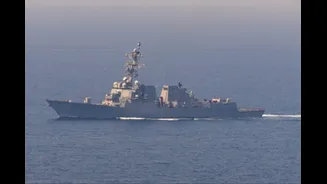
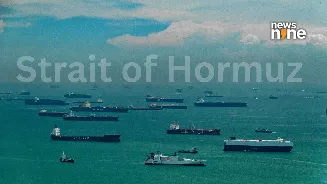
The Strait of Hormuz remains one of the world’s most strategically important waterways, connecting Gulf oil producers to international markets. Before the conflict escalated in February, roughly 3,000 vessels transited the strait every month. Shipping traffic has now reportedly fallen to around 5 per cent of normal levels.
The sharp decline in shipping activity has rattled global energy markets. Brent crude prices have surged by more than 50 per cent since the conflict erupted, while LNG prices across Europe and Asia have jumped between 35 per cent and 50 per cent, according to Reuters calculations.
Tehran formalising oversight over tanker movements
Industry sources told Reuters that Iran is now formalising its operational oversight of tanker movements through the strait.
One Iraqi oil ministry official said Tehran has requested detailed documentation for every vessel seeking passage, including ownership records, cargo specifications, destinations and shipping details. Iraqi ministry teams are reportedly coordinating directly with Iranian authorities to avoid incidents during transit.
According to the report, a Pakistani source involved in negotiations with Tehran acknowledged that the process remains unpredictable because of the role played by Iran’s Islamic Revolutionary Guard Corps.
“The IRGC sometimes changes the goalposts, so it is hard to keep things on track, but we are working through it,” Reuters reported.
Neither Iraq nor Pakistan has made direct payments to Iran or the IRGC in exchange for transit approvals, the report added.
The developments come as the US-Israeli conflict with Iran continues to disrupt energy flows from the Gulf, a region that normally accounts for nearly 20 per cent of global crude oil and LNG supplies.
According to the report, Iraq secured safe passage for two very large crude carriers carrying around 2 million barrels of oil each through the Strait of Hormuz on Sunday under a previously unreported arrangement with Tehran. Iraqi officials are now seeking approval from Iran for additional transits as Baghdad attempts to shield its oil-dependent economy from further disruption.
“Iraq is a close ally of Iran, and any deterioration in Iraq’s economy would also damage Iran’s economic interests in the country,” an Iraqi oil ministry official familiar with the negotiations told Reuters.
Pakistan, meanwhile, has also reached a separate understanding with Tehran to allow LNG shipments from Qatar to pass through the strait. Two LNG tankers bound for Pakistan are currently en route after the agreement was finalised, Reuters reported citing industry sources.
Pakistan had been importing around 10 LNG cargoes every month before the outbreak of the conflict and is now under pressure to secure fuel supplies ahead of peak summer electricity demand.
Iran shifts from blockade threats to selective control
Analysts say Tehran appears to be moving away from earlier threats to completely block the Strait of Hormuz and is instead attempting to institutionalise selective control over maritime traffic.
“ Iran has shifted from blocking Hormuz to controlling access to it. Hormuz is no longer a neutral transit route, it is a controlled corridor,” Claudio Steuer of the Oxford Institute for Energy Studies told Reuters.
The Strait of Hormuz remains one of the world’s most strategically important waterways, connecting Gulf oil producers to international markets. Before the conflict escalated in February, roughly 3,000 vessels transited the strait every month. Shipping traffic has now reportedly fallen to around 5 per cent of normal levels.
The sharp decline in shipping activity has rattled global energy markets. Brent crude prices have surged by more than 50 per cent since the conflict erupted, while LNG prices across Europe and Asia have jumped between 35 per cent and 50 per cent, according to Reuters calculations.
Tehran formalising oversight over tanker movements
Industry sources told Reuters that Iran is now formalising its operational oversight of tanker movements through the strait.
One Iraqi oil ministry official said Tehran has requested detailed documentation for every vessel seeking passage, including ownership records, cargo specifications, destinations and shipping details. Iraqi ministry teams are reportedly coordinating directly with Iranian authorities to avoid incidents during transit.
According to the report, a Pakistani source involved in negotiations with Tehran acknowledged that the process remains unpredictable because of the role played by Iran’s Islamic Revolutionary Guard Corps.
“The IRGC sometimes changes the goalposts, so it is hard to keep things on track, but we are working through it,” Reuters reported.
Neither Iraq nor Pakistan has made direct payments to Iran or the IRGC in exchange for transit approvals, the report added.