



What is the story about?
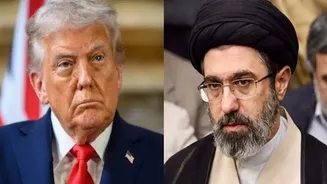
In contrast to President Donald Trump’s optimism about an early end to the war, the CIA has assessed that Iran can withstand the American blockade for at least three to four months, according to The Washington Post.
The Central Intelligence Agency (CIA) has shared a classified analysis with policymakers that also contradicts Trump’s public declarations about Iran’s missile capabilities.
Iran retains around 70 per cent of its missiles and 75 per cent of its mobile launchers, according to the assessment.
The reporting is in line with Firstpost’s Madhur Sharma’s earlier reporting, which quoted a well-informed source as saying that Iran had around two-thirds of its missiles and launchers intact at the time it reached a ceasefire with the United States.
Publicly, however, Trump said on Wednesday that Iran has just 18-19 per cent of its missiles left, claiming its capabilities have been “mostly decimated”.
Follow our live coverage of the West Asia conflict here
An official told The Post that there is evidence Iran has been able to recover and reopen almost all of its underground storage facilities, repair some damaged missiles, and even assemble new missiles that were nearing completion when the war began.
A second official told the newspaper that Iran’s capacity to endure prolonged economic hardship is far greater than even the CIA’s assessment suggests.
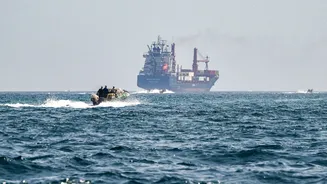
After bombing Iran for more than a month, Trump last month pivoted to a blockade of the country’s ports.
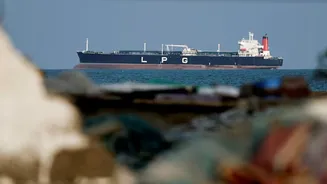
By blocking all Iranian exports, particularly seaborne oil and gas, Trump aims to squeeze Iran’s petroleum revenues. He is seeking to inflict enough economic pain to force Tehran to accept his terms. However, the assessment indicates that Trump may have underestimated Iran’s resilience.
In fact, the assessment found that Trump’s approach has hardened Iran’s position.
The second official told The Post that Iran’s leadership has become “more radical, determined and increasingly confident they can outlast US political will and sustain domestic repression to check any resistance”.
They added that, comparatively, “you see similar regimes lasting years under sustained embargoes and airpower-only wars”.
ALSO READ: Iran hasn’t collapsed. That’s Trump’s biggest problem
Moreover, Trump appears to have overlooked Iran’s efforts to cushion the impact of the naval blockade by pivoting to overland export routes for at least some of its oil and gas. The official said there is a belief Iran could begin moving some oil via rail through Central Asia. However, overland exports cannot match the volumes transported through sea lanes.
Trump appears to be counting on Iran running out of storage capacity for oil and gas in the absence of exports. Whether the depletion of storage or the squeeze on revenues will force Iran to accept his terms remains to be seen.
The Central Intelligence Agency (CIA) has shared a classified analysis with policymakers that also contradicts Trump’s public declarations about Iran’s missile capabilities.
Iran retains around 70 per cent of its missiles and 75 per cent of its mobile launchers, according to the assessment.
The reporting is in line with Firstpost’s Madhur Sharma’s earlier reporting, which quoted a well-informed source as saying that Iran had around two-thirds of its missiles and launchers intact at the time it reached a ceasefire with the United States.
Publicly, however, Trump said on Wednesday that Iran has just 18-19 per cent of its missiles left, claiming its capabilities have been “mostly decimated”.
Follow our live coverage of the West Asia conflict here
An official told The Post that there is evidence Iran has been able to recover and reopen almost all of its underground storage facilities, repair some damaged missiles, and even assemble new missiles that were nearing completion when the war began.
A second official told the newspaper that Iran’s capacity to endure prolonged economic hardship is far greater than even the CIA’s assessment suggests.
CIA assessment puts Trump’s strategy in question
After bombing Iran for more than a month, Trump last month pivoted to a blockade of the country’s ports.
By blocking all Iranian exports, particularly seaborne oil and gas, Trump aims to squeeze Iran’s petroleum revenues. He is seeking to inflict enough economic pain to force Tehran to accept his terms. However, the assessment indicates that Trump may have underestimated Iran’s resilience.
In fact, the assessment found that Trump’s approach has hardened Iran’s position.
The second official told The Post that Iran’s leadership has become “more radical, determined and increasingly confident they can outlast US political will and sustain domestic repression to check any resistance”.
They added that, comparatively, “you see similar regimes lasting years under sustained embargoes and airpower-only wars”.
ALSO READ: Iran hasn’t collapsed. That’s Trump’s biggest problem
Moreover, Trump appears to have overlooked Iran’s efforts to cushion the impact of the naval blockade by pivoting to overland export routes for at least some of its oil and gas. The official said there is a belief Iran could begin moving some oil via rail through Central Asia. However, overland exports cannot match the volumes transported through sea lanes.
Trump appears to be counting on Iran running out of storage capacity for oil and gas in the absence of exports. Whether the depletion of storage or the squeeze on revenues will force Iran to accept his terms remains to be seen.