








What is the story about?
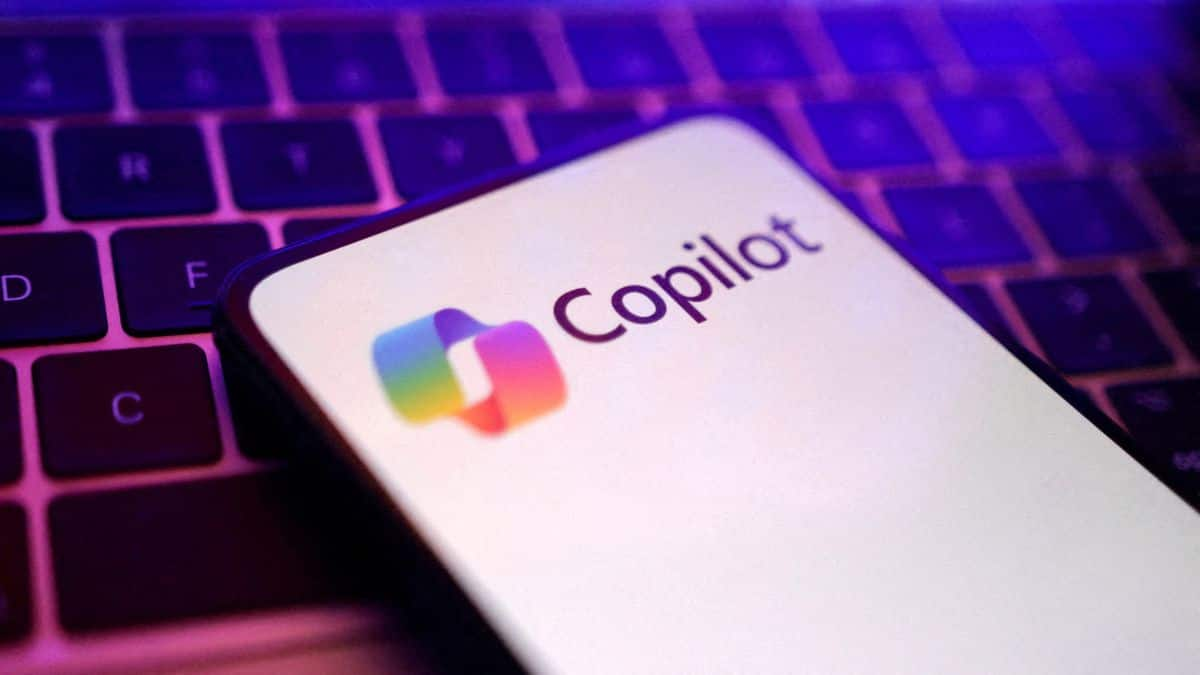
Microsoft is drawing attention for an unusual contradiction at the heart of its artificial intelligence push. While the company continues to position Copilot as a powerful productivity companion across Windows 11 and its wider ecosystem, its own terms of use paint a more cautious picture.
Buried within its updated consumer guidelines is a clear warning that the AI assistant should not be trusted for serious decision-making, raising questions about how the technology is being marketed to everyday users.
In its “Copilot for Individuals” terms, quietly revised in late 2025, Microsoft states, “Copilot is for entertainment purposes only. It can make mistakes, and it may not work as intended. Don’t rely on Copilot for important advice. Use Copilot at your own risk.”
The disclaimer goes further, noting that the company offers no guarantees about the accuracy or legality of responses generated by the AI. “We do not make any warranty or representation of any kind about Copilot,” the company says, adding that outputs could potentially infringe on copyrights, trademarks, or even defame individuals. Responsibility, it emphasises, lies with the user if such content is shared publicly.
The warning applies specifically to the consumer version of Copilot, even as Microsoft aggressively integrates the tool into products like Microsoft Edge and its Office suite, and promotes Copilot+ PCs as AI-first devices.
The contrast has not gone unnoticed. Some users have criticised the positioning, questioning how a tool marketed for productivity can simultaneously be labelled as entertainment.
Technically, such disclaimers reflect known limitations of large language models, which can produce inaccurate or misleading information. However, for general users, the gap between marketing and fine print may be harder to reconcile.
Even as the debate unfolds, Microsoft is doubling down on enhancing Copilot’s capabilities. Last week, the company has introduced new features aimed at improving reliability and user confidence, including a multi-model system within its research assistant.
Under a feature called “Critique”, Copilot can now combine outputs from models developed by OpenAI and Anthropic. In this setup, one model generates a response while another reviews it for quality and accuracy before presenting it to the user. Microsoft plans to expand this into a two-way review system in future updates.
Additionally, a new tool named “Council” will allow users to compare answers from different AI models side by side, offering greater transparency and control.
The company has also begun expanding access to Copilot Cowork, an agentic AI tool designed to handle more autonomous workflows. The move comes amid intensifying competition from rivals such as Google, whose Gemini platform is also targeting productivity use cases.
While these upgrades aim to reduce issues like AI hallucinations and improve output quality, they arrive at a time when investor enthusiasm around AI is showing signs of cooling.
Buried within its updated consumer guidelines is a clear warning that the AI assistant should not be trusted for serious decision-making, raising questions about how the technology is being marketed to everyday users.
Microsoft Copilot only for entertainment
In its “Copilot for Individuals” terms, quietly revised in late 2025, Microsoft states, “Copilot is for entertainment purposes only. It can make mistakes, and it may not work as intended. Don’t rely on Copilot for important advice. Use Copilot at your own risk.”
The disclaimer goes further, noting that the company offers no guarantees about the accuracy or legality of responses generated by the AI. “We do not make any warranty or representation of any kind about Copilot,” the company says, adding that outputs could potentially infringe on copyrights, trademarks, or even defame individuals. Responsibility, it emphasises, lies with the user if such content is shared publicly.
The warning applies specifically to the consumer version of Copilot, even as Microsoft aggressively integrates the tool into products like Microsoft Edge and its Office suite, and promotes Copilot+ PCs as AI-first devices.
The contrast has not gone unnoticed. Some users have criticised the positioning, questioning how a tool marketed for productivity can simultaneously be labelled as entertainment.
Technically, such disclaimers reflect known limitations of large language models, which can produce inaccurate or misleading information. However, for general users, the gap between marketing and fine print may be harder to reconcile.
Microsoft launches Copilot Cowork
Even as the debate unfolds, Microsoft is doubling down on enhancing Copilot’s capabilities. Last week, the company has introduced new features aimed at improving reliability and user confidence, including a multi-model system within its research assistant.
Under a feature called “Critique”, Copilot can now combine outputs from models developed by OpenAI and Anthropic. In this setup, one model generates a response while another reviews it for quality and accuracy before presenting it to the user. Microsoft plans to expand this into a two-way review system in future updates.
Additionally, a new tool named “Council” will allow users to compare answers from different AI models side by side, offering greater transparency and control.
The company has also begun expanding access to Copilot Cowork, an agentic AI tool designed to handle more autonomous workflows. The move comes amid intensifying competition from rivals such as Google, whose Gemini platform is also targeting productivity use cases.
While these upgrades aim to reduce issues like AI hallucinations and improve output quality, they arrive at a time when investor enthusiasm around AI is showing signs of cooling.