


What is the story about?
As conflict-driven disruptions tighten global energy supplies, concerns are mounting over the wider economic fallout, with warning signs pointing to a crisis with global reach.
The International Energy Agency said the world economy is facing a “major threat” from the ongoing energy crisis linked to the war.
The head of the IEA further stated Monday that at least forty energy assets had been "severely or very severely" damaged in the Middle East due to the war in the region.
"At least forty... energy assets in the region are severely or very severely damaged across nine countries," Fatih Birol told the National Press Club in Australia's capital.
Speaking at the National Press Club in Canberra, IEA chief Fatih Birol said the current situation combines elements of previous global energy shocks.
“This crisis as things stand is now two oil crises and one gas crash put all together,” he said.
He added that the risks to the global economy are significant. “The global economy is facing a major, major threat today, and I very much hope that this issue will be resolved as soon as possible.”
Birol said the consequences would not be limited to any one region.
“No country will be immune to the effects of this crisis if it continues to go in this direction. So there is a need for global efforts,” he said.
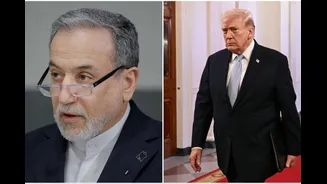
The warning comes as tensions escalate between the US and Iran, with both sides issuing threats as the conflict enters its fourth week.
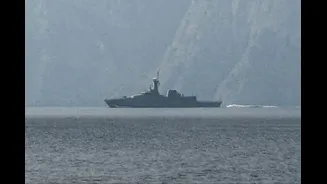
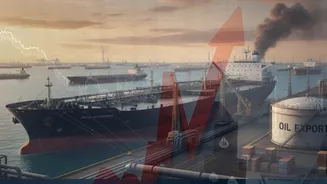
The Strait of Hormuz, a key global energy route through which about 20 percent of the world’s oil and gas shipments pass, has been effectively blocked, sharply reducing petroleum flows and driving up oil prices.
The International Energy Agency said the world economy is facing a “major threat” from the ongoing energy crisis linked to the war.
The head of the IEA further stated Monday that at least forty energy assets had been "severely or very severely" damaged in the Middle East due to the war in the region.
"At least forty... energy assets in the region are severely or very severely damaged across nine countries," Fatih Birol told the National Press Club in Australia's capital.
IEA compares crisis to past shocks
Speaking at the National Press Club in Canberra, IEA chief Fatih Birol said the current situation combines elements of previous global energy shocks.
“This crisis as things stand is now two oil crises and one gas crash put all together,” he said.
He added that the risks to the global economy are significant. “The global economy is facing a major, major threat today, and I very much hope that this issue will be resolved as soon as possible.”
Warning of global impact
Birol said the consequences would not be limited to any one region.
“No country will be immune to the effects of this crisis if it continues to go in this direction. So there is a need for global efforts,” he said.
The warning comes as tensions escalate between the US and Iran, with both sides issuing threats as the conflict enters its fourth week.
The Strait of Hormuz, a key global energy route through which about 20 percent of the world’s oil and gas shipments pass, has been effectively blocked, sharply reducing petroleum flows and driving up oil prices.