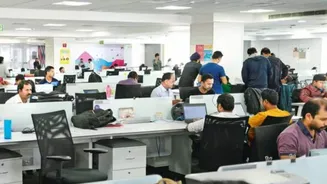

Remember the "temporary" pivot to remote work in 2020? Well, six years later, the pendulum is completing its swing. As we enter 2026, the era of "Work From Home" (WFH) for India's IT sector is effectively being archived.
The industry giants—the heavyweights that define work culture for millions—have spent the last year systematically tightening the screws. If 2024 was about "hybrid encouragement," 2026 is looking like the year of the mandatory desk.
The '5-day' cap: Infosys leads the charge
The latest signal comes from Infosys, which has effectively put an end to loose remote work exemptions. The company has now capped WFO (Work From Office) exemptions at just five days per quarter.
For the average employee (specifically those at Job Level 5 and below, which includes the bulk of software engineers and consultants), the new baseline is clear: you must be at your desk for at least 10 days every month.
To make sure this isn't just a "suggestion," Infosys has implemented system-driven tracking. If you don't hit your 10-day quota, the system flags it, and missing days could even be deducted from your leave balance.
TCS and Wipro: No more 'optional' office
Infosys isn't acting in a vacuum. The industry’s Big Three are moving in lockstep:
TCS: After being the first to mandate a full five-day week for many, TCS has linked office attendance directly to variable pay and promotions. Essentially, if you aren't seen, you aren't "paid" in full.
Wipro: As of January 2026, Wipro has mandated a minimum of six hours of office presence for three days a week. Gone are the days of "punching in and leaving early"; the focus has shifted to meaningful in-person collaboration.
Why now?
Industry leaders argue that the "collaboration debt" of the last few years has finally come due. With AI transforming how code is written, companies believe that mentorship, rapid problem-solving, and culture-building simply happen better when teams are physically together.