




What is the story about?
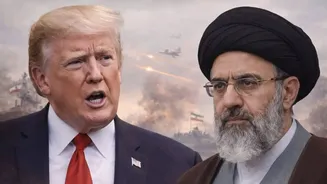
After months of fighting and negotiations, it appears that the United States and Iran are close to reaching a deal that would end the war and reopen the Strait of Hormuz. However, US President Donald Trump has stated that he won’t rush into any kind of agreement.
Both sides, it is learnt, have developed a memorandum of understanding “framework”, which will set out a roadmap for resolving all outstanding issues. However, what is in the memorandum remains unclear. According to officials, the central premise of this memo is that once signed, it would stop the fighting — a news Trump would welcome as he faces midterms later in the year.
So, what’s in this proposed plan? How close are we to seeing this deal being signed? Will this bring long-lasting peace between Iran and the US?
Officials in the know have stated that the memorandum of understanding involves a 60-day ceasefire extension during which the Strait of Hormuz would be reopened, Iran could freely sell oil, and talks on limiting Iran’s nuclear programme would be held.
It would also see Iran, the US, and allies declaring that military operations on every front, including Lebanon, end immediately.
According to reports, Iran would also agree to clear the mines it has deployed in the Strait and not impose any toll on passing ships. For this, the US would lift its blockade on Iranian ports, which has been in effect since April 13.
The deal also includes Tehran agreeing to give up its stockpile of highly enriched uranium that Trump often refers to as “nuclear dust.” How the Iranians give up the uranium would be discussed during the 60-day period. Iran has 440.9 kilogrammes of uranium that is enriched up to 60 per cent purity, a short, technical step from weapons-grade levels of 90 per cent, according to the International Atomic Energy Agency.
The possibility of Iran and the US nearing a deal arose over the weekend, with Trump first noting on Saturday that an agreement between the US, Iran, and several other countries in the region had been “largely negotiated” and that final details would be announced soon.
“An agreement has been largely negotiated, subject to finalisation between the United States of America, the Islamic Republic of Iran, and the various other countries,” Trump wrote on Truth Social.
Trump described the proposal as a “Memorandum of Understanding pertaining to PEACE” and said the discussions involved Saudi Arabia, the United Arab Emirates, Qatar, Pakistan, Turkey, Egypt, Jordan, and Bahrain.
Trump said he also spoke to Israeli Prime Minister Benjamin Netanyahu, and it “went very well”.
However, the following day, it seemed it wasn’t all done as Trump said “constructive” talks were proceeding, but “both sides must take their time and get it right”.
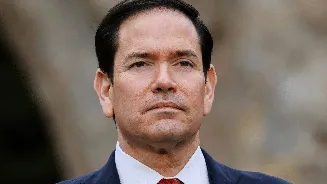
US Secretary of State Marco Rubio, who is currently in India, told reporters that “significant progress, although not final progress,” had been made in negotiations, and the world would no longer need to fear Iran getting a nuclear weapon.
The US official stated that the “first stage” ahead would be the full reopening of the strait. “The second is that Iran needs to enter into serious negotiations on three topics: their pledge never to have nuclear weapons, restrictions on their long-term enrichment capabilities, and what do you do with the highly enriched uranium?”
Iran has confirmed negotiations are ongoing and that some headway has been made. However, they have pushed back against some of Trump’s claims.
Iranian officials told the New York Times that the proposal said nothing about the fate of Iran’s nuclear program, only that a plan for dealing with the country’s highly enriched uranium would be negotiated within 30 to 60 days.
Meanwhile, Iranian state-linked media Fars news agency reported early on Sunday that the agreement would allow Iran to manage the Strait of Hormuz and that Trump’s assertion on the key waterway, through which almost a fifth of the world’s oil shipping once passed, was “inconsistent with reality”.
Iran’s Ministry of Foreign Affairs spokesperson Esmaeil Baghaei noted on Saturday, “The trend this week has been towards a reduction in disputes, but there are still issues that need to be discussed through mediators. We will have to wait and see where the situation ends in the next three or four days.”
The news of a potential agreement between the US and Iran has been received with mixed reactions. In Pakistan, Deputy Prime Minister Ishaq Dar, who has been mediating talks, said that recent negotiations are “grounds for optimism” that a positive outcome is “within reach”.
However, not everyone is enthused about the potential deal between the US and Iran. It has caused a divide within Trump’s own party, with many Republicans questioning the terms of the agreement. US Senator Ted Cruz said it would be “a disastrous mistake”. He warned that if the war’s conclusion “is to be an Iranian regime – still run by Islamists who chant “death to America” – now receiving billions of dollars, being able to enrich uranium and develop nuclear weapons, and having effective control over the strait of Hormuz, then that outcome would be a disastrous mistake”.
Roger Wicker, who chairs the Senate Armed Services Committee, said a 60-day ceasefire would mean “everything accomplished by Operation Epic Fury would be for naught!”
Senator Lindsey Graham, a close ally of Trump, also warned: “If a deal is struck to end the Iranian conflict because it is believed that the Strait of Hormuz cannot be protected from Iranian terrorism and Iran still possesses the capability to destroy major Gulf oil infrastructure, then Iran will be perceived as being a dominant force requiring a diplomatic solution.”
Even some Democrats expressed concern over Trump’s negotiations, with Senator Cory Booker telling CNN that the president was “being played as a fool.”
However, Trump hit back at his critics, calling those who questioned the proposal as “losers”. He wrote on social media, “If I make a deal with Iran, it will be a good and proper one, not like the one made by Obama, which gave Iran massive amounts of cash, and a clear and open path to a nuclear Weapon. Our deal is the exact opposite, but nobody has seen it, or knows what it is. It isn’t even fully negotiated yet. So don’t listen to the losers, who are critical about something they know nothing about. Unlike those before me who should have solved this problem many years ago, I don’t make bad deals!”
Vali Nasr, a prominent Iranian-American academic, was also of the opinion that the deal seemed to be an Iranian victory. However, he warned that if Washington gave too much ground this would increase Tehran’s suspicions.
“The deal in play looks like a win for Iran. But Tehran is not convinced that it is not a dress rehearsal for war now or in 30 days,” he posted.
In Iran, too, there’s anger and frustration among some Iranians, with some describing the prospect of a deal not as a path toward stability but as another political arrangement reached at the expense of ordinary Iranians.
According to one report by Iran International, one citizen said, “We no longer have hope in Trump… we will finish the job ourselves. Another added, “Trump’s decisions should not matter to us. We ourselves must bring down the Islamic Republic from inside the country.”
1) Are the US and Iran closer to a peace deal?
It seems as if the US and Iran are close to signing a peace agreement. However, until Sunday, no proposal had been signed with Trump noting that “both sides must take their time and get it right”.
2) What’s in the proposed peace agreement?
The deal involves a 60-day ceasefire extension during which the Strait of Hormuz would be reopened, Iran could freely sell oil, and talks on limiting Iran’s nuclear programme would be held. The deal would reportedly unfreeze some Iranian assets being held in banks outside Iran.
3) What’s not in the deal?
Iran has not yet accepted any actions on its nuclear programme.
With inputs from agencies
Both sides, it is learnt, have developed a memorandum of understanding “framework”, which will set out a roadmap for resolving all outstanding issues. However, what is in the memorandum remains unclear. According to officials, the central premise of this memo is that once signed, it would stop the fighting — a news Trump would welcome as he faces midterms later in the year.
- Read the latest happenings from the Iran war here
So, what’s in this proposed plan? How close are we to seeing this deal being signed? Will this bring long-lasting peace between Iran and the US?
What’s in the proposed deal between US and Iran?
Officials in the know have stated that the memorandum of understanding involves a 60-day ceasefire extension during which the Strait of Hormuz would be reopened, Iran could freely sell oil, and talks on limiting Iran’s nuclear programme would be held.
It would also see Iran, the US, and allies declaring that military operations on every front, including Lebanon, end immediately.
According to reports, Iran would also agree to clear the mines it has deployed in the Strait and not impose any toll on passing ships. For this, the US would lift its blockade on Iranian ports, which has been in effect since April 13.
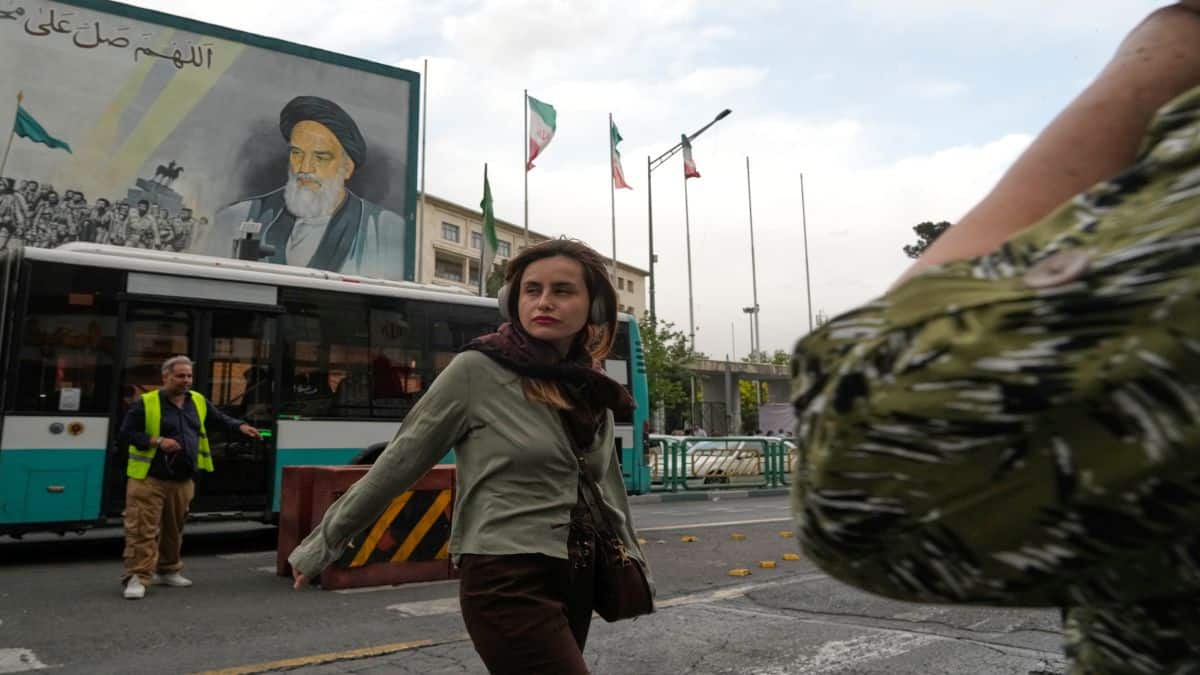
A woman crosses a street in front of a painting of the late Iranian revolutionary founder Ayatollah Khomeini in downtown Tehran. AP
The deal also includes Tehran agreeing to give up its stockpile of highly enriched uranium that Trump often refers to as “nuclear dust.” How the Iranians give up the uranium would be discussed during the 60-day period. Iran has 440.9 kilogrammes of uranium that is enriched up to 60 per cent purity, a short, technical step from weapons-grade levels of 90 per cent, according to the International Atomic Energy Agency.
What has the US said so far?
The possibility of Iran and the US nearing a deal arose over the weekend, with Trump first noting on Saturday that an agreement between the US, Iran, and several other countries in the region had been “largely negotiated” and that final details would be announced soon.
“An agreement has been largely negotiated, subject to finalisation between the United States of America, the Islamic Republic of Iran, and the various other countries,” Trump wrote on Truth Social.
Trump described the proposal as a “Memorandum of Understanding pertaining to PEACE” and said the discussions involved Saudi Arabia, the United Arab Emirates, Qatar, Pakistan, Turkey, Egypt, Jordan, and Bahrain.
Trump said he also spoke to Israeli Prime Minister Benjamin Netanyahu, and it “went very well”.
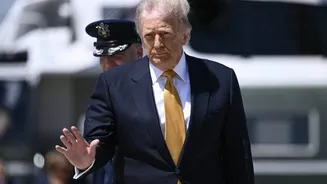
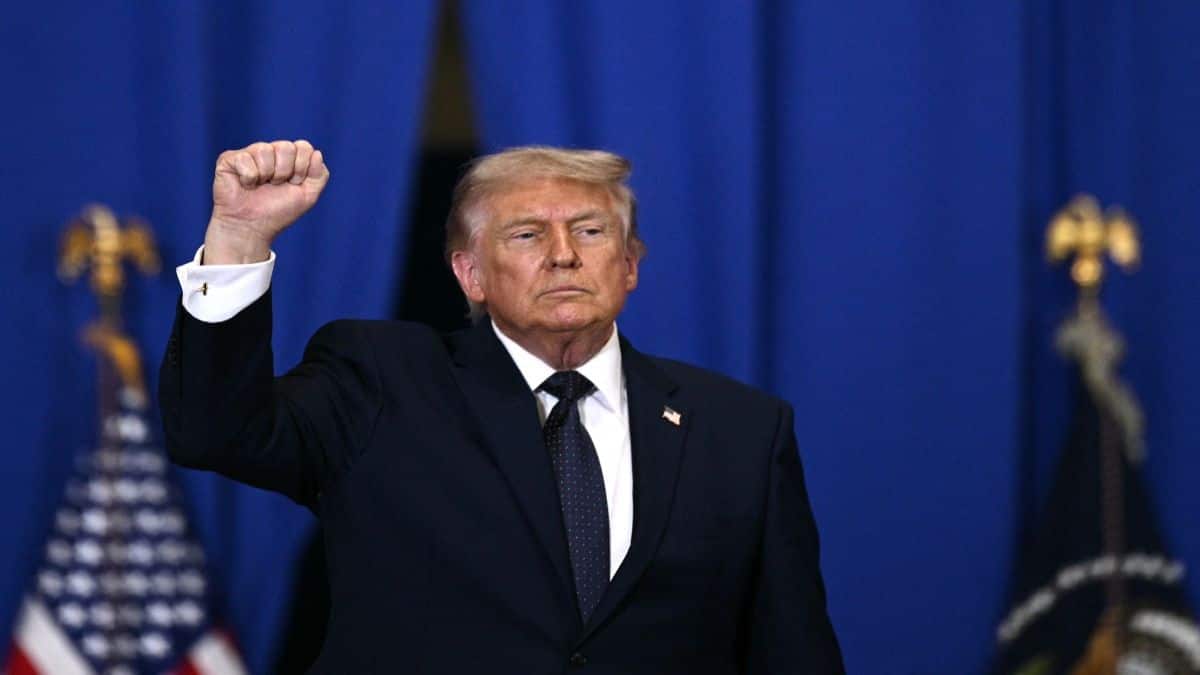
US President Donald Trump has expressed optimism about a potential deal with Iran, but warned negotiators into rushing into any kind of agreement. AFP
However, the following day, it seemed it wasn’t all done as Trump said “constructive” talks were proceeding, but “both sides must take their time and get it right”.
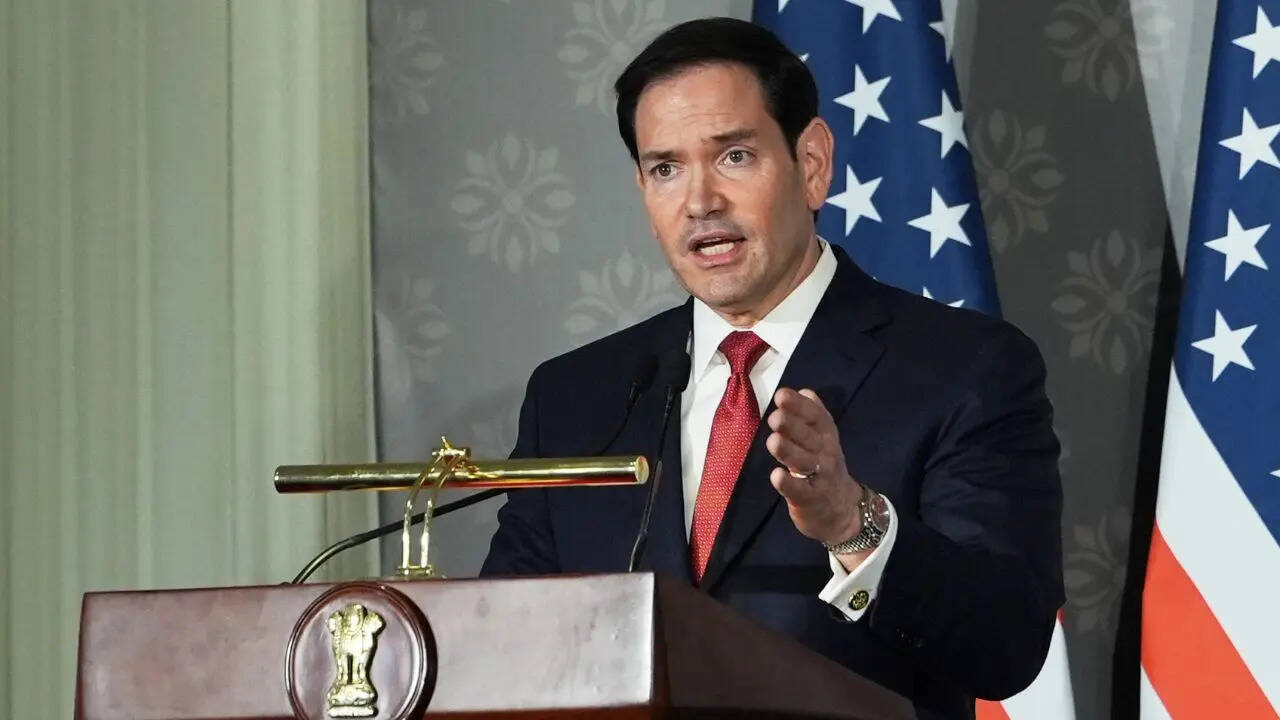
US Secretary of State Marco Rubio, who is currently in India, told reporters that “significant progress, although not final progress,” had been made in negotiations, and the world would no longer need to fear Iran getting a nuclear weapon.
The US official stated that the “first stage” ahead would be the full reopening of the strait. “The second is that Iran needs to enter into serious negotiations on three topics: their pledge never to have nuclear weapons, restrictions on their long-term enrichment capabilities, and what do you do with the highly enriched uranium?”
How has Iran responded?
Iran has confirmed negotiations are ongoing and that some headway has been made. However, they have pushed back against some of Trump’s claims.
Iranian officials told the New York Times that the proposal said nothing about the fate of Iran’s nuclear program, only that a plan for dealing with the country’s highly enriched uranium would be negotiated within 30 to 60 days.
Meanwhile, Iranian state-linked media Fars news agency reported early on Sunday that the agreement would allow Iran to manage the Strait of Hormuz and that Trump’s assertion on the key waterway, through which almost a fifth of the world’s oil shipping once passed, was “inconsistent with reality”.
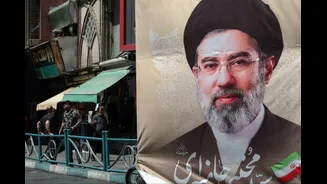
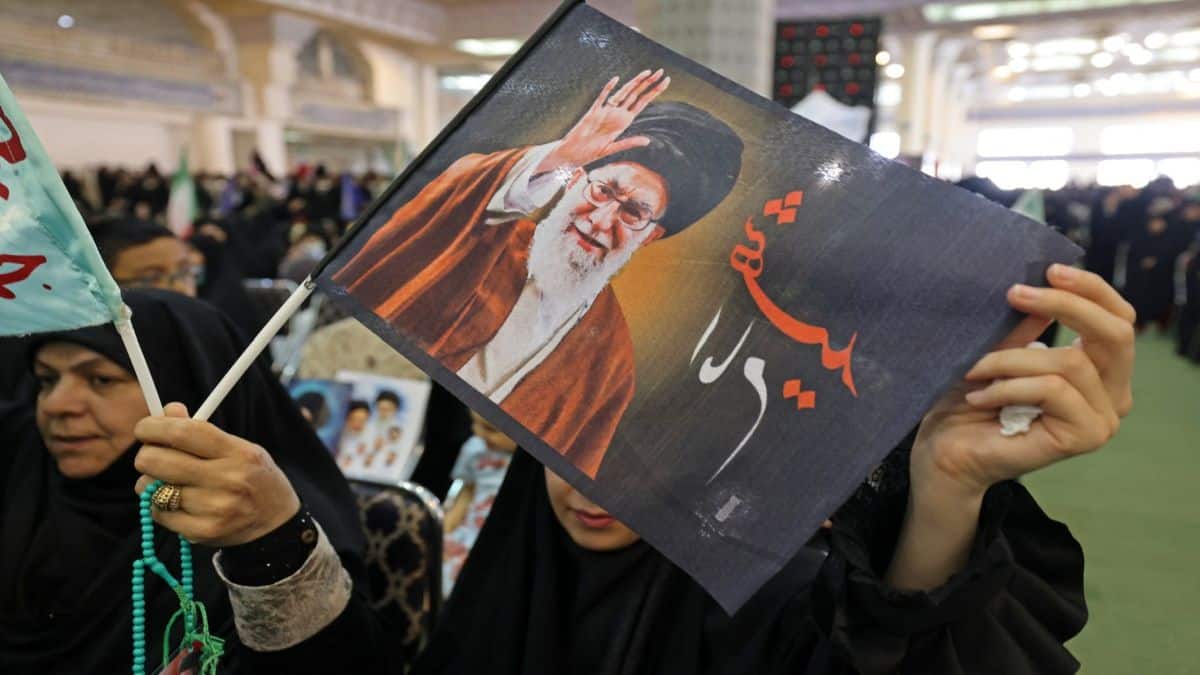
An Iranian woman holds a flag with the image of the late assassinated supreme leader Ali Khamenei during a gathering at the Imam Khomeini Mosque (Mosalla) to commemorate those killed in former wars and also those killed during the latest US-Israel led war, in Tehran. AFP
Iran’s Ministry of Foreign Affairs spokesperson Esmaeil Baghaei noted on Saturday, “The trend this week has been towards a reduction in disputes, but there are still issues that need to be discussed through mediators. We will have to wait and see where the situation ends in the next three or four days.”
What has been the overall reaction?
The news of a potential agreement between the US and Iran has been received with mixed reactions. In Pakistan, Deputy Prime Minister Ishaq Dar, who has been mediating talks, said that recent negotiations are “grounds for optimism” that a positive outcome is “within reach”.
However, not everyone is enthused about the potential deal between the US and Iran. It has caused a divide within Trump’s own party, with many Republicans questioning the terms of the agreement. US Senator Ted Cruz said it would be “a disastrous mistake”. He warned that if the war’s conclusion “is to be an Iranian regime – still run by Islamists who chant “death to America” – now receiving billions of dollars, being able to enrich uranium and develop nuclear weapons, and having effective control over the strait of Hormuz, then that outcome would be a disastrous mistake”.
I am deeply concerned about what we are hearing about an Iran “deal,” being pushed by some voices in the administration.
President Trump’s decision to strike Iran was the most consequential decision of his second term. He was right to do so, and we achieved extraordinary…
— Ted Cruz (@tedcruz) May 24, 2026
Roger Wicker, who chairs the Senate Armed Services Committee, said a 60-day ceasefire would mean “everything accomplished by Operation Epic Fury would be for naught!”
Senator Lindsey Graham, a close ally of Trump, also warned: “If a deal is struck to end the Iranian conflict because it is believed that the Strait of Hormuz cannot be protected from Iranian terrorism and Iran still possesses the capability to destroy major Gulf oil infrastructure, then Iran will be perceived as being a dominant force requiring a diplomatic solution.”
Even some Democrats expressed concern over Trump’s negotiations, with Senator Cory Booker telling CNN that the president was “being played as a fool.”
However, Trump hit back at his critics, calling those who questioned the proposal as “losers”. He wrote on social media, “If I make a deal with Iran, it will be a good and proper one, not like the one made by Obama, which gave Iran massive amounts of cash, and a clear and open path to a nuclear Weapon. Our deal is the exact opposite, but nobody has seen it, or knows what it is. It isn’t even fully negotiated yet. So don’t listen to the losers, who are critical about something they know nothing about. Unlike those before me who should have solved this problem many years ago, I don’t make bad deals!”
Vali Nasr, a prominent Iranian-American academic, was also of the opinion that the deal seemed to be an Iranian victory. However, he warned that if Washington gave too much ground this would increase Tehran’s suspicions.
“The deal in play looks like a win for Iran. But Tehran is not convinced that it is not a dress rehearsal for war now or in 30 days,” he posted.
In Iran, too, there’s anger and frustration among some Iranians, with some describing the prospect of a deal not as a path toward stability but as another political arrangement reached at the expense of ordinary Iranians.
According to one report by Iran International, one citizen said, “We no longer have hope in Trump… we will finish the job ourselves. Another added, “Trump’s decisions should not matter to us. We ourselves must bring down the Islamic Republic from inside the country.”
FAQs
1) Are the US and Iran closer to a peace deal?
It seems as if the US and Iran are close to signing a peace agreement. However, until Sunday, no proposal had been signed with Trump noting that “both sides must take their time and get it right”.
2) What’s in the proposed peace agreement?
The deal involves a 60-day ceasefire extension during which the Strait of Hormuz would be reopened, Iran could freely sell oil, and talks on limiting Iran’s nuclear programme would be held. The deal would reportedly unfreeze some Iranian assets being held in banks outside Iran.
3) What’s not in the deal?
Iran has not yet accepted any actions on its nuclear programme.
With inputs from agencies