



What is the story about?
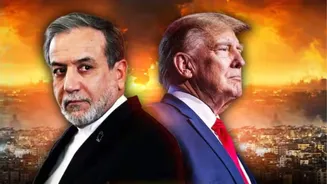
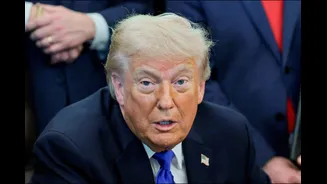
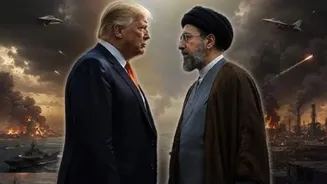
A fragile US-Iran ceasefire is testing President Donald Trump's ability to reconcile competing priorities at home and abroad. While negotiators work toward a framework agreement that could ease disruptions to global oil supplies, Washington's warning that it remains ready to resume military operations highlights the deep mistrust that continues to cloud prospects for a broader settlement over Iran's nuclear programme.
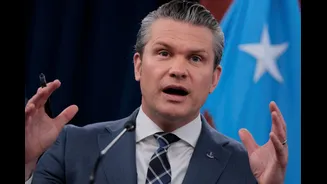
Speaking at the Shangri-La Dialogue security summit in Singapore, US Defence Secretary Pete Hegseth said Washington remained “more than capable” of resuming military operations if diplomacy failed to deliver an acceptable agreement. He stressed that American military stockpiles and regional capabilities remained intact despite weeks of confrontation with Iran.
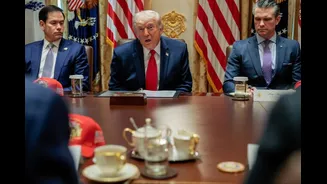
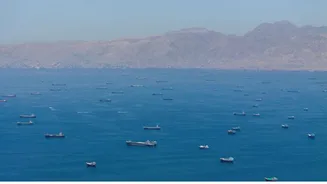
The warning came as Trump weighed whether to approve a tentative framework agreement negotiated between US and Iranian officials. According to reports, the proposal would extend the current ceasefire by 60 days, reopen the Strait of Hormuz to unrestricted commercial shipping and create space for further negotiations over Iran’s nuclear programme.
Yet the emerging deal highlights the difficult political and strategic balancing act facing Trump.
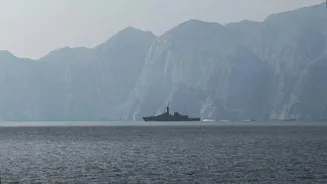
The president is under mounting pressure to stabilise oil markets and reduce fuel prices after months of disruption caused by fighting and shipping restrictions in the Gulf. The Strait of Hormuz, through which a significant share of the world’s oil supply passes, has remained at the centre of the crisis, with fears of prolonged disruption pushing up energy costs globally.
At the same time, Trump faces growing resistance from influential Republican lawmakers and conservative foreign-policy hawks who argue that any agreement must permanently block Iran’s path to a nuclear weapon.
Several senior Republicans including long-time Iran critics in Congress, have publicly warned against concessions that could resemble elements of the 2015 nuclear accord negotiated under former President Barack Obama and later abandoned by Trump during his first term.
Trump has sought to reassure both camps by insisting that any deal must guarantee Iran never acquires nuclear weapons. In public statements, he has demanded that Tehran keep the Strait of Hormuz open, eliminate any maritime threats and accept strict conditions regarding its nuclear activities.
Iranian officials have rejected suggestions that a final agreement has been reached and continue to insist that their nuclear programme serves peaceful purposes. Tehran has also indicated that sanctions relief and reciprocal concessions must accompany any long-term arrangement.
The proposed framework leaves several critical questions unresolved, including the future of Iran’s stockpile of highly enriched uranium, the scope of sanctions relief and the long-term status of shipping access through the Strait of Hormuz. Analysts note that while a ceasefire extension could prevent an immediate escalation, it would not resolve the deeper strategic dispute that triggered the conflict.
With congressional midterm elections approaching and approval ratings under pressure, the White House is keenly aware that prolonged instability in energy markets could carry political consequences. Yet any perception of compromise with Tehran risks provoking backlash from parts of Trump’s political base that favour a harder line against Iran.
That leaves the administration navigating a narrow path between diplomacy and deterrence.
While both Washington and Tehran appear interested in avoiding a return to full-scale conflict, recent military exchanges and mutual accusations of ceasefire violations demonstrate how quickly negotiations could unravel. Even as talks continue, the Pentagon’s warning serves as a reminder that the military option remains firmly on the table.
In the coming days, Trump’s decision on the framework deal could determine whether the region moves closer to a negotiated settlement or back toward a conflict that has already shaken global energy supplies and reshaped West Asia geopolitics.
With inputs from agencies
Speaking at the Shangri-La Dialogue security summit in Singapore, US Defence Secretary Pete Hegseth said Washington remained “more than capable” of resuming military operations if diplomacy failed to deliver an acceptable agreement. He stressed that American military stockpiles and regional capabilities remained intact despite weeks of confrontation with Iran.
The warning came as Trump weighed whether to approve a tentative framework agreement negotiated between US and Iranian officials. According to reports, the proposal would extend the current ceasefire by 60 days, reopen the Strait of Hormuz to unrestricted commercial shipping and create space for further negotiations over Iran’s nuclear programme.
Yet the emerging deal highlights the difficult political and strategic balancing act facing Trump.
The president is under mounting pressure to stabilise oil markets and reduce fuel prices after months of disruption caused by fighting and shipping restrictions in the Gulf. The Strait of Hormuz, through which a significant share of the world’s oil supply passes, has remained at the centre of the crisis, with fears of prolonged disruption pushing up energy costs globally.
At the same time, Trump faces growing resistance from influential Republican lawmakers and conservative foreign-policy hawks who argue that any agreement must permanently block Iran’s path to a nuclear weapon.
Several senior Republicans including long-time Iran critics in Congress, have publicly warned against concessions that could resemble elements of the 2015 nuclear accord negotiated under former President Barack Obama and later abandoned by Trump during his first term.
Trump has sought to reassure both camps by insisting that any deal must guarantee Iran never acquires nuclear weapons. In public statements, he has demanded that Tehran keep the Strait of Hormuz open, eliminate any maritime threats and accept strict conditions regarding its nuclear activities.
Obstacles remain
Iranian officials have rejected suggestions that a final agreement has been reached and continue to insist that their nuclear programme serves peaceful purposes. Tehran has also indicated that sanctions relief and reciprocal concessions must accompany any long-term arrangement.
The proposed framework leaves several critical questions unresolved, including the future of Iran’s stockpile of highly enriched uranium, the scope of sanctions relief and the long-term status of shipping access through the Strait of Hormuz. Analysts note that while a ceasefire extension could prevent an immediate escalation, it would not resolve the deeper strategic dispute that triggered the conflict.
For Trump, the stakes extend beyond foreign policy
With congressional midterm elections approaching and approval ratings under pressure, the White House is keenly aware that prolonged instability in energy markets could carry political consequences. Yet any perception of compromise with Tehran risks provoking backlash from parts of Trump’s political base that favour a harder line against Iran.
That leaves the administration navigating a narrow path between diplomacy and deterrence.
While both Washington and Tehran appear interested in avoiding a return to full-scale conflict, recent military exchanges and mutual accusations of ceasefire violations demonstrate how quickly negotiations could unravel. Even as talks continue, the Pentagon’s warning serves as a reminder that the military option remains firmly on the table.
In the coming days, Trump’s decision on the framework deal could determine whether the region moves closer to a negotiated settlement or back toward a conflict that has already shaken global energy supplies and reshaped West Asia geopolitics.
With inputs from agencies