







What is the story about?
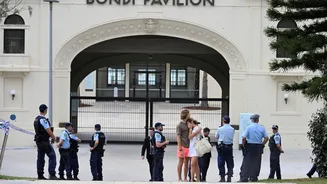
Australia is reeling from a mass shooting that killed 15 people during a Hanukkah celebration at Sydney’s Bondi Beach on Sunday (December 14). The accused shooters, Sajid Akram and his 24-year-old son, Naveed Akram, appeared to be inspired by the Islamic State, police said on Tuesday (December 16).
They also revealed that the duo had travelled to the Philippines before the attack. While Sajid Akram, 50, was shot dead by the police, his son was being treated at a hospital after being shot. He has now regained consciousness.
Let’s take a closer look.
Australia’s federal police commissioner (AFP), Krissy Barrett, has said that the Bondi Beach mass shooting was “a terrorist attack inspired by Islamic State”.
She said the suspects “aligned themselves with a terrorist organisation, not a religion.”
“Early indications point to a terrorist attack inspired by Islamic State, allegedly committed by a father and son. There is no evidence to suggest other individuals were involved in this attack, however we caution that this could change given it is early in our investigation,” Barrett stated, as per The Guardian.
“Alleged evidence has provided investigators with a swathe of information that has enabled them to make this initial assessment about the alleged individuals involved and their motivations,” the AFP commissioner added.
“These are the alleged actions of those who have aligned themselves with a terrorist organisation, not a religion,” Barrett said.
The Sunday assault was Australia's worst mass shooting in nearly 30 years. The police are investigating it as an act of terrorism targeting the Jewish community.
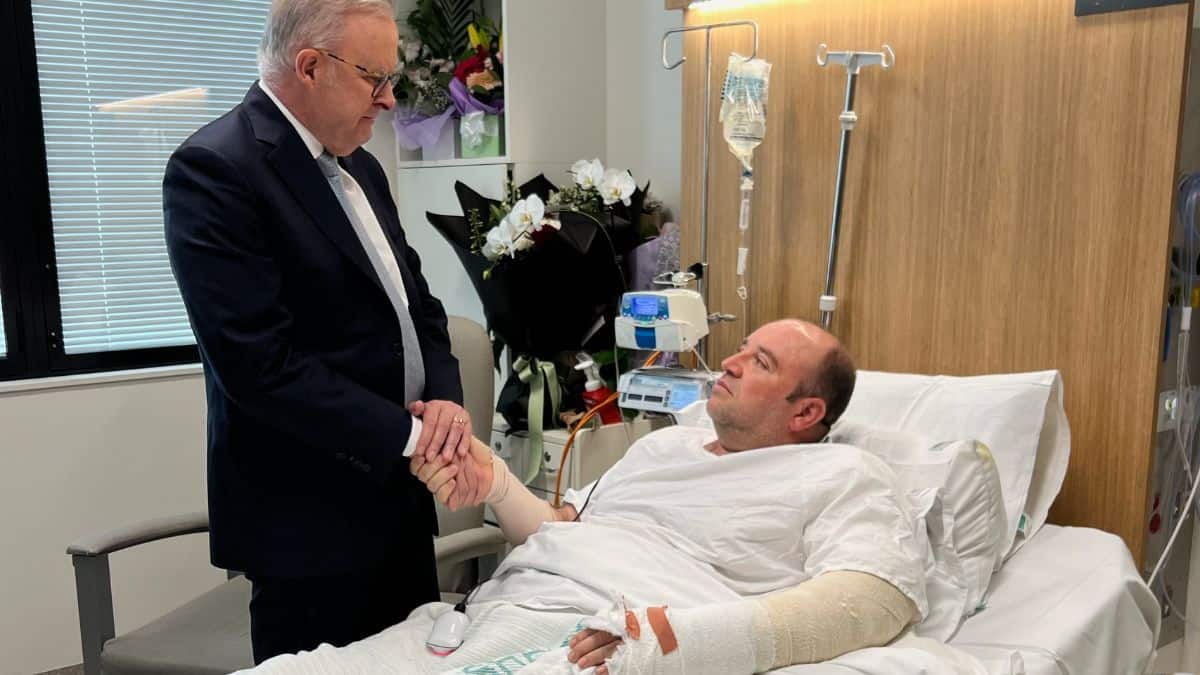
As many as 24 victims are being treated in hospitals, 10 of whom were in critical condition. This includes Ahmed al Ahmed, who was filmed on camera tackling and disarming one of the shooters. The 43-year-old Muslim father-of-two, hailed as a hero around the world, is admitted to a Sydney hospital with gunshot wounds.
According to Mal Lanyon, the Police Commissioner for New South Wales (NSW) state, two Isis flags were found in one of the vehicles used by Akrams. Investigators suspect the pair had sworn allegiance to the terrorist group.
“There have been reports in the news about our two offenders travelling to the Philippines last month. I can confirm that they did travel to the Philippines. The reasons why they went to the Philippines, and the purpose of that, and where they went when they were there, is under investigation at the moment,” Lanyon said.
“I also confirmed that the vehicle, which is registered to the younger male, contained IEDs, but I also confirm … that it contained two homemade Isis flags.
“We continue to work through the motive of this tragedy. And we’ll continue to do so.
I think it’s really important that our investigators continue to be given time to do that. This is a very complex investigation, and important that we do it thoroughly.”
Speaking about the assailants, Prime Minister Anthony Albanese said, “It would appear that there is evidence that this was inspired by a terrorist organisation, by Isis. Some of the evidence which is being procured, including the presence of Islamic State flags in the vehicle that has been seized, are part of that.”
“[The] radical, perversion of Islam is absolutely a problem. It is something that has been identified globally as a problem as well. Isis created an evil ideology that has been called out, not just by the Australian government but globally right now.”
Naveed Akram reportedly had links to Australia's pro-Islamic State (IS) network, including an infamous Sydney cleric.
As per the ABC report, Australia's domestic intelligence agency, ASIO, looked into Naveed Akram in 2019 after discovering his links to a Sydney-based IS cell.
Counterterrorism officials, on condition of anonymity, told the Australian broadcaster that the accused shooter also had ties to Wisam Haddad, a cleric who has influenced generations of Australian jihadists.
While Haddad has alleged connections to Australian terrorists and foreign jihadist leaders, he has never been charged with a terrorism offence.
Haddad told ABC he "vehemently denies any knowledge of or involvement in the shootings that took place at Bondi Beach".
The cleric is notorious for his violent antisemitic lectures, including those quoting religious texts about the killing of Jews.
In July, the Federal Court said he had breached the Racial Discrimination Act for delivering antisemitic lectures at his prayer centre, Al Madina Dawah Centre. The cleric had argued that no Jewish person could take offence to his series of lectures in which he described Jewish people in the seventh century as “mischievous”, “treacherous” and “vile” as the lectures were delivered to a private Muslim audience, reported The Guardian.
Senior officials, speaking on condition of anonymity, told the ABC that Naveed Akram used to worship at Al Madina Dawah Centre and acted as a street preacher for Haddad's Dawah Van organisation.
Counterterrorism officials said they were also concerned about Naveed Akram's link to a convicted IS youth recruiter, Youssef Uweinat.
The father-son duo, accused of carrying out the terrorist attack at Bondi Beach, travelled to the Philippines in November and stayed there for nearly a month.
They arrived in the Southeast Asian country on November 1 with the southern province of Davao listed as their final destination, Agence France-Press reported.
Immigration spokesperson Dana Sandoval told the news agency that the men departed on November 28.
Sajid and Naveed Akram travelled to the Philippines to receive "military-style training", security sources told ABC.
The Philippines has been a hub for Islamist militants since the early 1990s, when terrorist training camps, earlier on the Pakistan-Afghanistan border, were set up in southern Mindanao.
Australia proscribed the Islamic State of East Asia (ISEA), a branch of the terror group, as a terrorist organisation in 2017.
“While there are no known links between ISEA and Australia, there have previously been links between Australians and terrorist groups in the Philippines,”
The Sydney Morning Herald reported, citing a briefing document.
The Australian Federal Police is likely to investigate the reason behind the alleged shooters' visit to the Philippines and where they went.
With inputs from agencies
They also revealed that the duo had travelled to the Philippines before the attack. While Sajid Akram, 50, was shot dead by the police, his son was being treated at a hospital after being shot. He has now regained consciousness.
Let’s take a closer look.
Father-son duo ‘inspired’ by IS
Australia’s federal police commissioner (AFP), Krissy Barrett, has said that the Bondi Beach mass shooting was “a terrorist attack inspired by Islamic State”.
She said the suspects “aligned themselves with a terrorist organisation, not a religion.”
“Early indications point to a terrorist attack inspired by Islamic State, allegedly committed by a father and son. There is no evidence to suggest other individuals were involved in this attack, however we caution that this could change given it is early in our investigation,” Barrett stated, as per The Guardian.
“Alleged evidence has provided investigators with a swathe of information that has enabled them to make this initial assessment about the alleged individuals involved and their motivations,” the AFP commissioner added.
“These are the alleged actions of those who have aligned themselves with a terrorist organisation, not a religion,” Barrett said.
The Sunday assault was Australia's worst mass shooting in nearly 30 years. The police are investigating it as an act of terrorism targeting the Jewish community.
As many as 24 victims are being treated in hospitals, 10 of whom were in critical condition. This includes Ahmed al Ahmed, who was filmed on camera tackling and disarming one of the shooters. The 43-year-old Muslim father-of-two, hailed as a hero around the world, is admitted to a Sydney hospital with gunshot wounds.
Australian Prime Minister Anthony Albanese meets Ahmed al Ahmed at St George Hospital in Sydney, December 16, 2025. Australian Prime Minister Office via AP
According to Mal Lanyon, the Police Commissioner for New South Wales (NSW) state, two Isis flags were found in one of the vehicles used by Akrams. Investigators suspect the pair had sworn allegiance to the terrorist group.
“There have been reports in the news about our two offenders travelling to the Philippines last month. I can confirm that they did travel to the Philippines. The reasons why they went to the Philippines, and the purpose of that, and where they went when they were there, is under investigation at the moment,” Lanyon said.
“I also confirmed that the vehicle, which is registered to the younger male, contained IEDs, but I also confirm … that it contained two homemade Isis flags.
“We continue to work through the motive of this tragedy. And we’ll continue to do so.
I think it’s really important that our investigators continue to be given time to do that. This is a very complex investigation, and important that we do it thoroughly.”
Speaking about the assailants, Prime Minister Anthony Albanese said, “It would appear that there is evidence that this was inspired by a terrorist organisation, by Isis. Some of the evidence which is being procured, including the presence of Islamic State flags in the vehicle that has been seized, are part of that.”
“[The] radical, perversion of Islam is absolutely a problem. It is something that has been identified globally as a problem as well. Isis created an evil ideology that has been called out, not just by the Australian government but globally right now.”
Naveed Akram's links to IS preacher
Naveed Akram reportedly had links to Australia's pro-Islamic State (IS) network, including an infamous Sydney cleric.
As per the ABC report, Australia's domestic intelligence agency, ASIO, looked into Naveed Akram in 2019 after discovering his links to a Sydney-based IS cell.
Counterterrorism officials, on condition of anonymity, told the Australian broadcaster that the accused shooter also had ties to Wisam Haddad, a cleric who has influenced generations of Australian jihadists.
While Haddad has alleged connections to Australian terrorists and foreign jihadist leaders, he has never been charged with a terrorism offence.
Haddad told ABC he "vehemently denies any knowledge of or involvement in the shootings that took place at Bondi Beach".
The cleric is notorious for his violent antisemitic lectures, including those quoting religious texts about the killing of Jews.
In July, the Federal Court said he had breached the Racial Discrimination Act for delivering antisemitic lectures at his prayer centre, Al Madina Dawah Centre. The cleric had argued that no Jewish person could take offence to his series of lectures in which he described Jewish people in the seventh century as “mischievous”, “treacherous” and “vile” as the lectures were delivered to a private Muslim audience, reported The Guardian.
Senior officials, speaking on condition of anonymity, told the ABC that Naveed Akram used to worship at Al Madina Dawah Centre and acted as a street preacher for Haddad's Dawah Van organisation.
Counterterrorism officials said they were also concerned about Naveed Akram's link to a convicted IS youth recruiter, Youssef Uweinat.
Why Akrams visited the Philippines
The father-son duo, accused of carrying out the terrorist attack at Bondi Beach, travelled to the Philippines in November and stayed there for nearly a month.
They arrived in the Southeast Asian country on November 1 with the southern province of Davao listed as their final destination, Agence France-Press reported.
Immigration spokesperson Dana Sandoval told the news agency that the men departed on November 28.
Sajid and Naveed Akram travelled to the Philippines to receive "military-style training", security sources told ABC.
The Philippines has been a hub for Islamist militants since the early 1990s, when terrorist training camps, earlier on the Pakistan-Afghanistan border, were set up in southern Mindanao.
Australia proscribed the Islamic State of East Asia (ISEA), a branch of the terror group, as a terrorist organisation in 2017.
“While there are no known links between ISEA and Australia, there have previously been links between Australians and terrorist groups in the Philippines,”
The Australian Federal Police is likely to investigate the reason behind the alleged shooters' visit to the Philippines and where they went.
With inputs from agencies