




What is the story about?
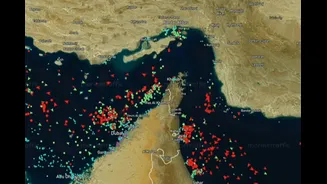
The number of vessels transiting the Strait of Hormuz edged higher on Tuesday, with most linked to Iranian trade, just hours before a US naval blockade took effect on Wednesday, according to shipping data.
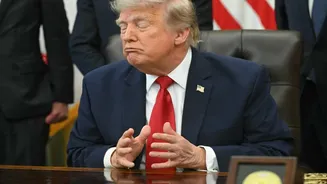
US President Donald Trump on Tuesday reinstated a naval blockade of all Iranian ports and warned he would target power plants and bridges next week unless Tehran returns to negotiations, marking the latest escalation in the US-Iran conflict.
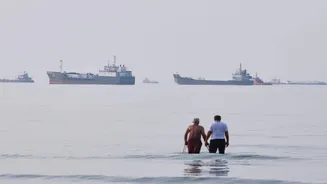
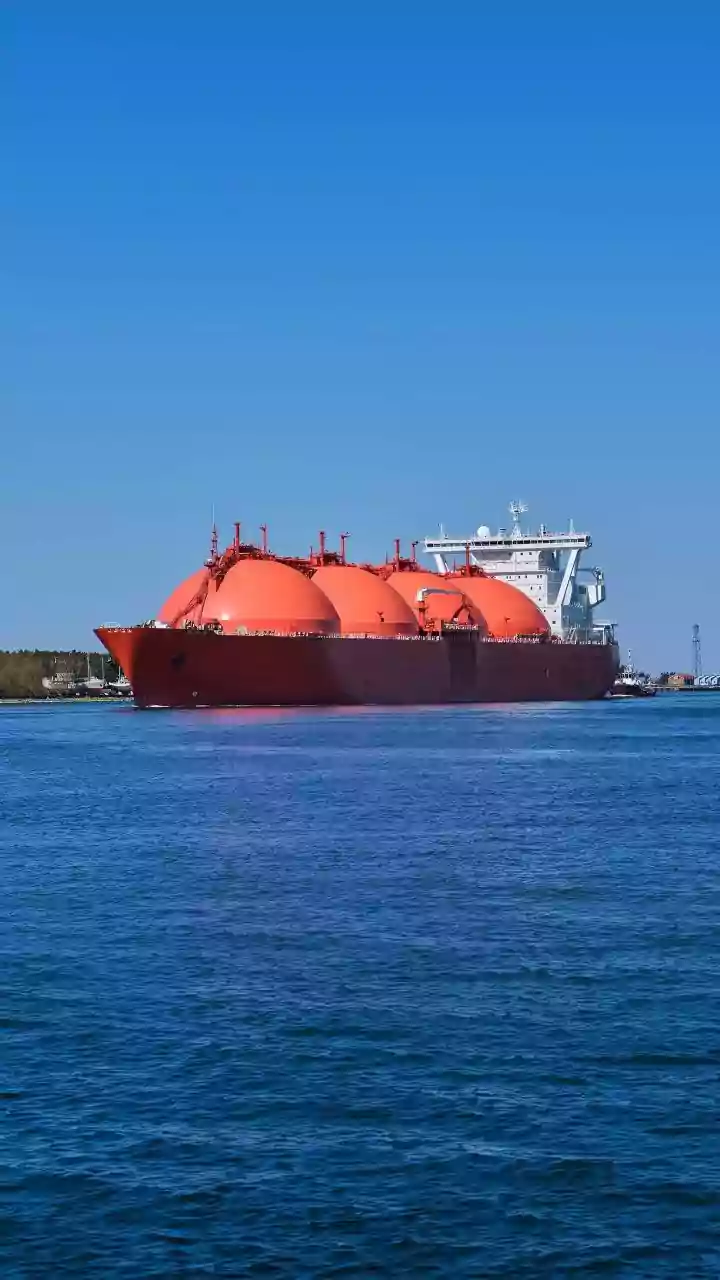
Ship-tracking data from Kpler showed that nine of the 11 vessels passing through the strait on Tuesday used the Iranian shipping route.
Among the inbound vessels were three empty oil tankers—one Aframax tanker and two Very Large Crude Carriers (VLCCs).
Outbound traffic included a VLCC carrying 2 million barrels of crude oil, a medium-range tanker loaded with refined petroleum products, and two tankers transporting liquefied petroleum gas, the data showed.
A fully laden methanol tanker and a dry bulk carrier carrying iron ore also departed the Gulf on Tuesday.
The data showed no visible tanker movements into or out of the Gulf to load oil or gas from other major Gulf producers.
Fighting between the United States and Iran has intensified this week, sharply reducing shipping through the Strait of Hormuz, a critical waterway that handled about one-fifth of global oil and liquefied natural gas shipments each day before the conflict erupted in February.
The United States has said the Strait of Hormuz remains open to commercial shipping despite Iran’s announcement that it had closed the strategic waterway following the latest escalation in hostilities.
US Central Command (CentCom) said American forces were positioned to ensure freedom of navigation through the vital maritime route.
Hours after Iran’s Islamic Revolutionary Guard Corps (IRGC) declared that the Strait of Hormuz had been closed “until further notice,” CentCom said the international waterway remained accessible to all vessels travelling lawfully through the region.
“Iran does not control the international waterway used by commercial vessels to globally transport goods and energy,” CentCom said in a post on X last week.
US President Donald Trump on Tuesday reinstated a naval blockade of all Iranian ports and warned he would target power plants and bridges next week unless Tehran returns to negotiations, marking the latest escalation in the US-Iran conflict.
Ship-tracking data from Kpler showed that nine of the 11 vessels passing through the strait on Tuesday used the Iranian shipping route.
Among the inbound vessels were three empty oil tankers—one Aframax tanker and two Very Large Crude Carriers (VLCCs).
Outbound traffic included a VLCC carrying 2 million barrels of crude oil, a medium-range tanker loaded with refined petroleum products, and two tankers transporting liquefied petroleum gas, the data showed.
A fully laden methanol tanker and a dry bulk carrier carrying iron ore also departed the Gulf on Tuesday.
The data showed no visible tanker movements into or out of the Gulf to load oil or gas from other major Gulf producers.
Fighting between the United States and Iran has intensified this week, sharply reducing shipping through the Strait of Hormuz, a critical waterway that handled about one-fifth of global oil and liquefied natural gas shipments each day before the conflict erupted in February.
US says waterway open to all
The United States has said the Strait of Hormuz remains open to commercial shipping despite Iran’s announcement that it had closed the strategic waterway following the latest escalation in hostilities.
US Central Command (CentCom) said American forces were positioned to ensure freedom of navigation through the vital maritime route.
Hours after Iran’s Islamic Revolutionary Guard Corps (IRGC) declared that the Strait of Hormuz had been closed “until further notice,” CentCom said the international waterway remained accessible to all vessels travelling lawfully through the region.
“Iran does not control the international waterway used by commercial vessels to globally transport goods and energy,” CentCom said in a post on X last week.