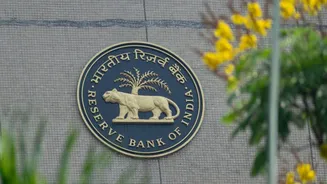

According to the report, the RBI has suggested that the government place the proposal on the agenda for the 2026 BRICS summit, which India is set to host later this year.
First formal move to connect Brics CBDCs
If approved, the proposal would mark the first formal attempt to interlink the central bank digital currencies (CBDCs) of Brics members. Such a mechanism could reduce dependence on the US dollar at a time of heightened geopolitical and trade tensions.
The Brics grouping includes Brazil, Russia, India, China and South Africa, along with newer members such as the UAE, Iran and Indonesia.
Likely scrutiny from Washington
Any effort to operationalise digital settlements among Brics countries is expected to draw attention from Washington. US President Donald Trump has previously described Brics as “anti-American” and has threatened tariffs against member countries.
The RBI, the Indian government and several BRICS central banks either declined to comment or said they had no information to share, the Reuters report said.
Builds on 2025 Brics declaration
The proposal builds on a declaration adopted at the 2025 BRICS summit in Rio de Janeiro, which called for greater interoperability among members’ payment systems to improve cross-border efficiency.
India has repeatedly signalled its interest in linking the digital rupee with other countries’ CBDCs to speed up cross-border settlements and promote wider international use of the Indian currency.
CBDC pilots under way
Although none of the Brics members has fully launched a CBDC, all five core economies are running pilot programmes. India’s e-rupee has attracted around seven million retail users since its launch in December 2022, while China has been pushing for broader international adoption of its digital yuan.
To encourage adoption, the RBI has introduced features such as offline payments, programmability for government subsidies and integration with fintech wallets.
Need for common framework
One official told Reuters that a shared framework covering technology, governance and the settlement of trade imbalances would be critical for any Brics digital currency linkage to succeed. Disagreements over technology choices or which country’s platform to rely on could slow progress, making consensus essential.
One option being explored involves bilateral foreign exchange swap lines between central banks, allowing transactions to be settled on a weekly or monthly basis. This could help prevent imbalances like those that arose when Russia accumulated large rupee balances following increased Indian imports without matching exports.
Geopolitical backdrop and wider debate
Interest in the broader Brics agenda has intensified amid renewed tariff threats from Trump and shifting geopolitical alignments. India’s economic ties with Russia and China have strengthened even as New Delhi faces trade frictions with Washington.
However, efforts to create a common Brics currency have been shelved, while global enthusiasm for CBDCs has been tempered by the rapid spread of stablecoins.
Indian officials remain cautious about stablecoins, which the RBI argues could undermine monetary stability and fragment the payments ecosystem. Deputy Governor T. Rabi Sankar has said CBDCs offer a safer alternative, as they avoid risks associated with privately issued digital tokens.
India’s proposal to link BRICS digital currencies now sets the stage for what could become one of the most consequential financial discussions at this year’s summit, with implications for how emerging economies settle trade and challenge the dominance of the US dollar.